


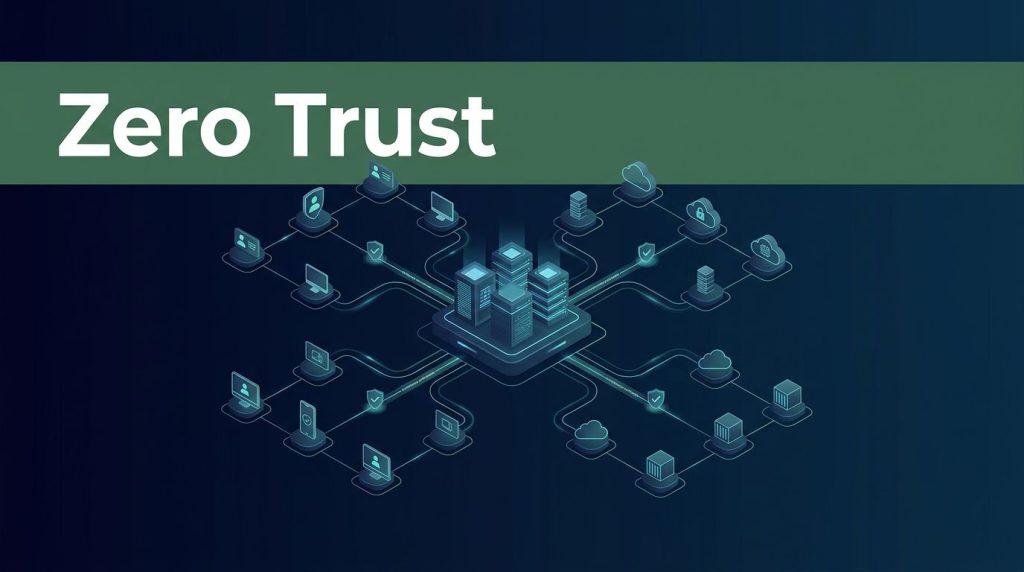
Organizations struggle to secure modern networks against persistent threats. Perimeter defenses fail when remote workers and cloud applications expand the corporate attack surface. Security leaders need external partners to build resilient verification models. Finding the best zero trust consulting companies requires looking past marketing claims and evaluating core technical capabilities.
Zero trust architecture changes how identity, devices, and networks interact. It replaces implicit trust with continuous validation. Choosing the right advisor accelerates that transition. This guide examines leading consulting partners, their service tiers, and how to select the right firm for your environment.
Understanding the Role of Zero Trust Consulting Companies
Implementing a zero trust framework isn’t a simple software purchase. It’s an enterprise-wide shift in operational security. Many internal IT teams lack the specialized bandwidth needed to map every workflow, identity store, and data repository. That’s where external advisors enter the picture. These firms bring tested methodologies aligned with federal standards.
According to CISA’s zero trust guidance, organizations must account for five distinct pillars: devices, networks, applications, workloads, and data. Consultants help map these pillars without disrupting business operations. They evaluate existing infrastructure and highlight blind spots in access control. Without this external audit, internal teams often miss hidden permission paths and legacy trust relationships.
The advisory market offers distinct service categories. Strategy consulting focuses on governance, policy design, and maturity assessments. Architecture and design services translate policies into technical blueprints. Implementation partners deploy the actual enforcement points, identity providers, and micro-segmentation tools. Managed security providers then operate and monitor the environment continuously. Understanding these distinctions prevents costly mismatches during procurement.
Different organizations require different entry points. A firm with exceptional managed detection capabilities might lack the strategic advisory depth required for board-level risk alignment. Procurement teams must define their exact project scope before reviewing provider portfolios. Misaligning service tiers results in stalled initiatives and unspent budgets.
Strategy and Architecture Advisory Firms
Strategic advisors help executive boards define vision and roadmap milestones. They establish policy frameworks before any technical deployment begins. These firms excel at enterprise governance, risk quantification, and stakeholder alignment. They don’t usually configure firewalls, but they design the rules that firewalls enforce.
Deloitte leads the advisory space with comprehensive maturity assessments and identity-centric transformation frameworks. Their consultants map complex enterprise workflows to federal standards. PwC brings strong risk management capabilities, helping organizations align security policies with regulatory requirements. KPMG provides rigorous advisory support around data governance, identity governance and administration, and continuous verification models. These firms fit large enterprises needing board-level assurance and structured roadmaps.


Strategic advisory engagements take time and deep stakeholder interviews. They establish the foundation defined in NIST Special Publication 800-207. Leaders should engage strategy firms when leadership lacks consensus on scope or priority. These partners ensure the organization builds a defensible plan before spending capital on tooling.
Advisory partners also assist in defining risk thresholds. They help executives determine which assets require strict micro-segmentation versus standard perimeter defense. This prioritization prevents organizations from boiling the ocean during early deployment phases. Clear prioritization keeps budgets controlled and engineering teams focused on high-value targets.
Threat-Informed Implementation and Managed Security Services
Technical implementation requires hands-on engineering talent. Firms in this category configure identity providers, deploy endpoint agents, and build micro-segmentation policies. They turn strategic blueprints into working operational controls. When evaluating technical partners, organizations must examine their engineering depth across cloud and hybrid environments.
Mandiant Consulting provides threat-informed architecture, helping security teams restrict lateral movement using real-world attacker tactics. Secureworks delivers managed security consulting that implements identity-centric access policies and continuous monitoring. Accenture Security handles complex technical deployments, software-defined perimeters, and operational handovers for global enterprises. These implementation specialists bridge the gap between abstract policy and daily technical enforcement.
Choosing the right technical partner depends on your existing tech stack. Some firms partner closely with specific platform vendors like Microsoft or Cisco. Others maintain vendor neutrality to integrate heterogeneous environments. Security architects must verify whether a prospective partner has direct deployment experience with your chosen identity provider.
Managed security services provide ongoing operational validation after deployment. Zero trust is an ongoing state, not a static destination. Technical partners monitor access logs, analyze anomalous behavior, and update policies as business requirements change. Without managed oversight, initial configurations degrade as new applications enter the network.
How to Evaluate and Select Your Security Partner
Finding the best zero trust consulting companies for your specific enterprise requires a structured procurement checklist. No single vendor fits every environment. Your choice depends on your current security maturity, regulatory burdens, and internal skill gaps. Rushing the selection process leads to abandoned projects and wasted licensing costs.
Start by auditing your internal team’s capabilities. If your architects understand identity governance but lack micro-segmentation experience, hire a focused engineering partner rather than a broad strategy firm. Ask prospective consultants for case studies involving organizations of your exact size. Request references from previous CISOs who managed similar transformation projects.
Procurement teams should also evaluate the partner’s approach to knowledge transfer. External consultants shouldn’t create permanent operational dependency. The best partners train internal teams to manage policies after the engagement ends. If you need immediate guidance on structuring your vendor evaluation, Book A Call With Us to discuss your specific security requirements and talent gaps.
Another critical evaluation metric is compliance alignment. Ensure the consulting firm understands your industry-specific regulations, whether that is HIPAA, PCI DSS, or FedRAMP. Regulatory missteps during architecture design cause severe delays during audits. Experienced partners build compliance mapping directly into the initial phase.
Conclusion
Adopting zero trust principles requires disciplined planning and precise execution. The best zero trust consulting companies align their methodologies with your unique business risks rather than pushing generic software bundles. Success depends on matching firm capabilities to your specific operational environment.
Evaluate partners based on proven engineering depth, governance rigor, and knowledge transfer practices. Security leaders who choose the right external advisor reduce human risk and establish lasting network resilience. Take time to audit your current posture and select a partner that accelerates your long-term security goals.