table of contents
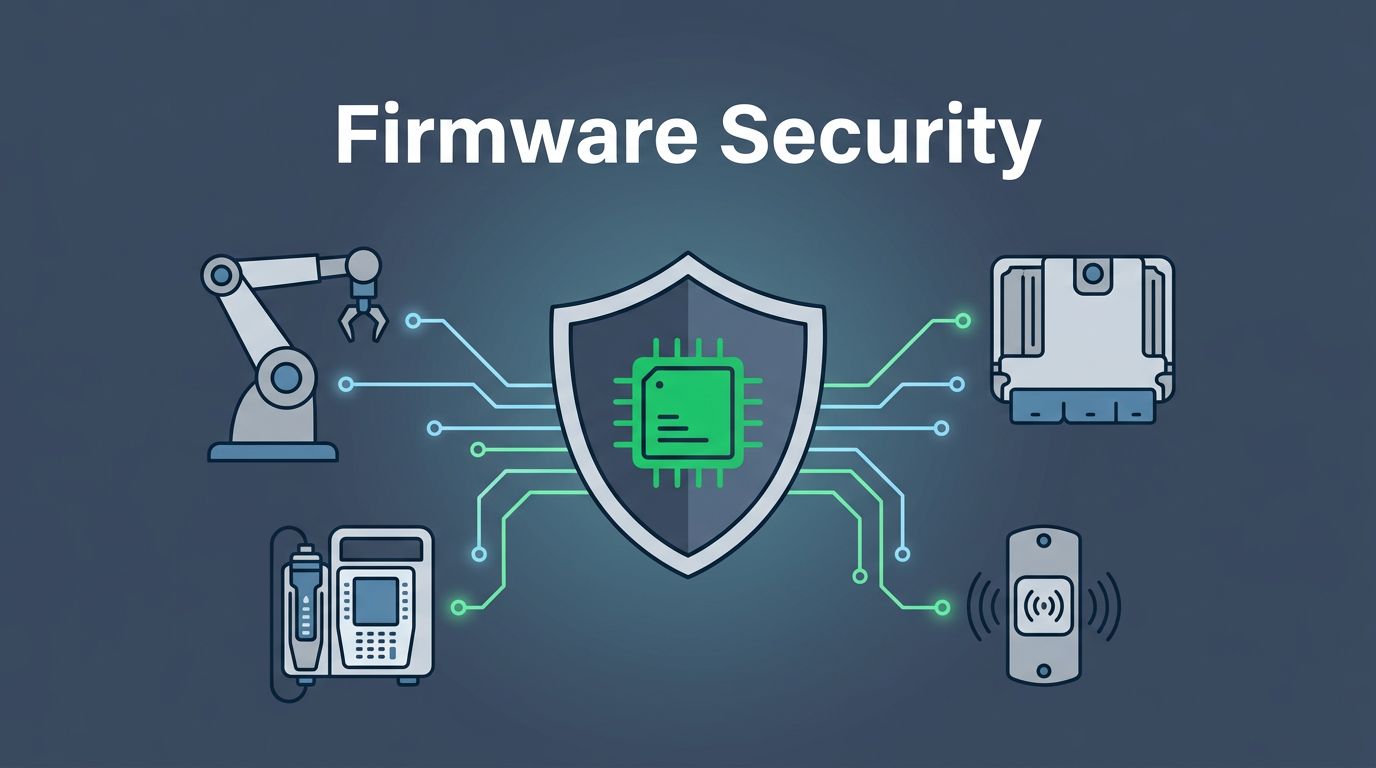
Edge devices keep factories running, cars on the road, and hospitals connected. But a single weak firmware update can let attackers take control. In May 2026, CISA’s Binding Operational Directive 26-02 demands federal agencies inventory and replace end-of-support edge gear within a year. Private teams face the same risks: unpatched routers and IoT sensors fuel botnets and breaches.
You manage OTA pipelines for industrial robots or medical monitors. Failed updates mean downtime or worse. These playbooks give you step-by-step actions to lock down firmware updates. They draw from standards like OWASP and MITRE EMB3D.
Start with the basics, then build controls that scale.
Why Firmware Security Matters for Edge Devices
Edge devices sit exposed. Automotive ECUs process sensor data in real time. Warehouse IoT sensors track inventory. Medical pumps deliver drugs. Networking routers guard perimeters. All need firmware updates to fix bugs, but bad processes invite attacks.
Hackers target updates because they promise full control. A tampered image bricks devices or installs backdoors. Recent trends show 40% of exploits hit end-of-life edge gear. State actors from China and Russia scan for these daily.
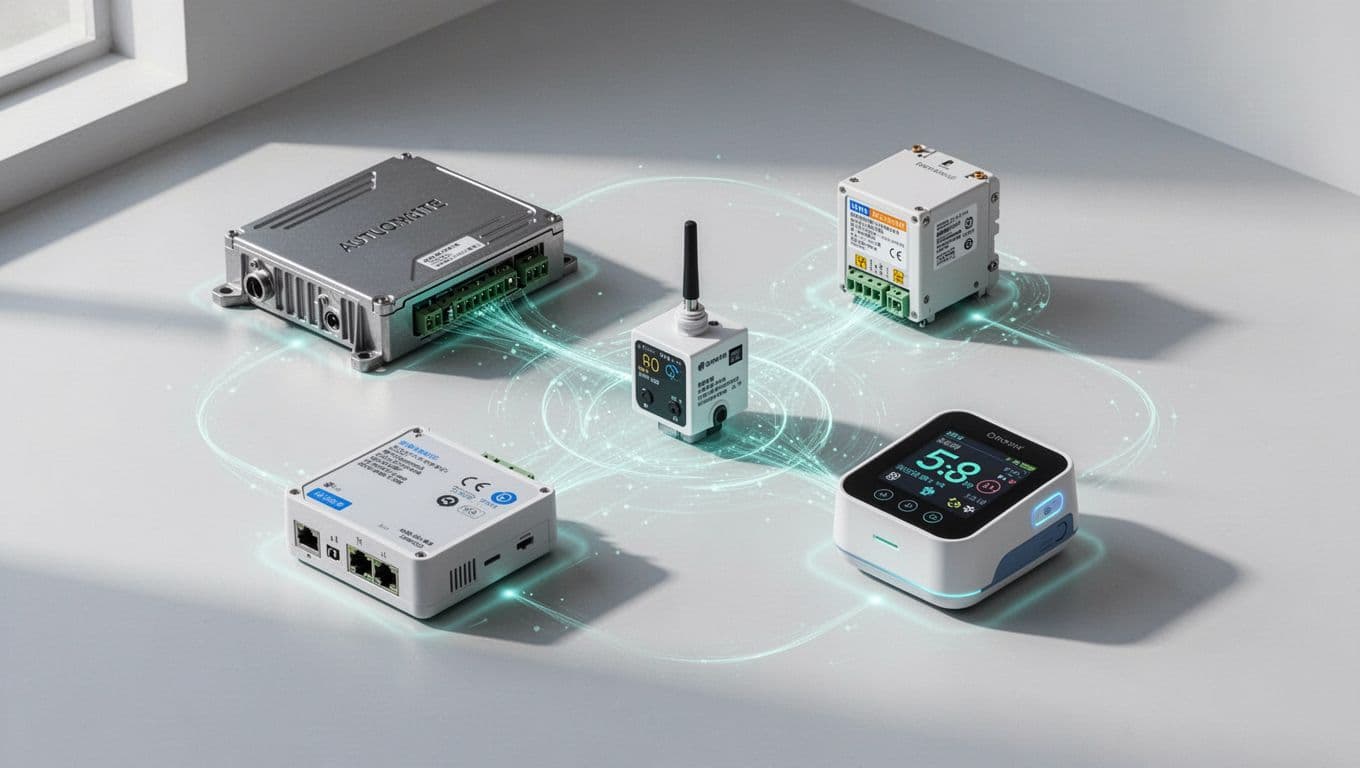
Consider industrial robots. A 2025 botnet used unsigned firmware to hijack fleets. Devices rolled back to vulnerable versions after failed OTAs. Medical devices face stricter rules; FDA expects signed updates.
Firmware update security starts here. Inventory your fleet now. List every ECU, sensor, and router with versions and support dates. Tools auto-scan networks for this. CISA pushes agencies to report by May 2026; you should beat them.
Next, map risks. Unsigned updates top the list, per OWASP IoT Security Testing Guide. Follow with no encryption in transit. Build playbooks around these threats.
Building Your Secure Update Pipeline
A solid pipeline prevents most attacks. It runs from code build to device boot. Devices verify every step.
First, segment your pipeline. Use CI/CD tools for builds. Generate firmware binaries in isolated environments. Then move to a signing station. From there, push via OTA servers to edges.
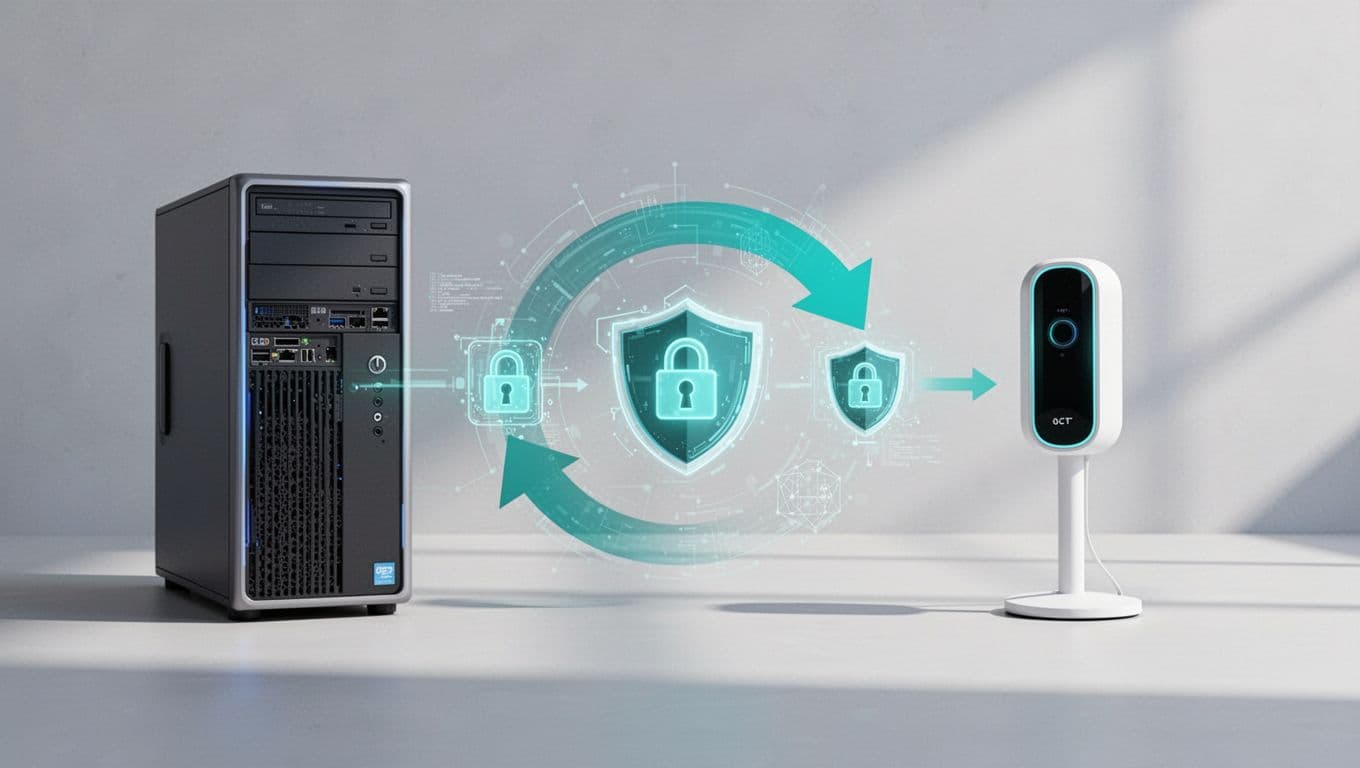
Here’s a step-by-step playbook:
- Build phase: Compile firmware. Scan for vulnerabilities. Generate SBOMs to list components.
- Sign phase: Use HSMs for keys. Attach signatures and manifests.
- Distribute phase: Store in secure repos. Use HTTPS or TLS for pulls.
- Device apply phase: Fetch, verify, install atomically.
Test in staging. Update five routers first. Check logs for errors. Roll out in batches over nights.
For automotive ECUs, add delta updates. They patch only changes, saving bandwidth. Industrial IoT needs A/B partitions: one active, one backup.
MITRE EMB3D stresses encryption at rest and in transit. Block unsigned packages outright. This pipeline catches defects early, per AWS IoT Lens guidance.
Cryptographic Protections Step by Step
Crypto makes updates tamper-proof. Sign binaries so devices trust only your code.
Start with keys. Store private keys in hardware security modules. Never export them. Public keys go on devices via secure boot.
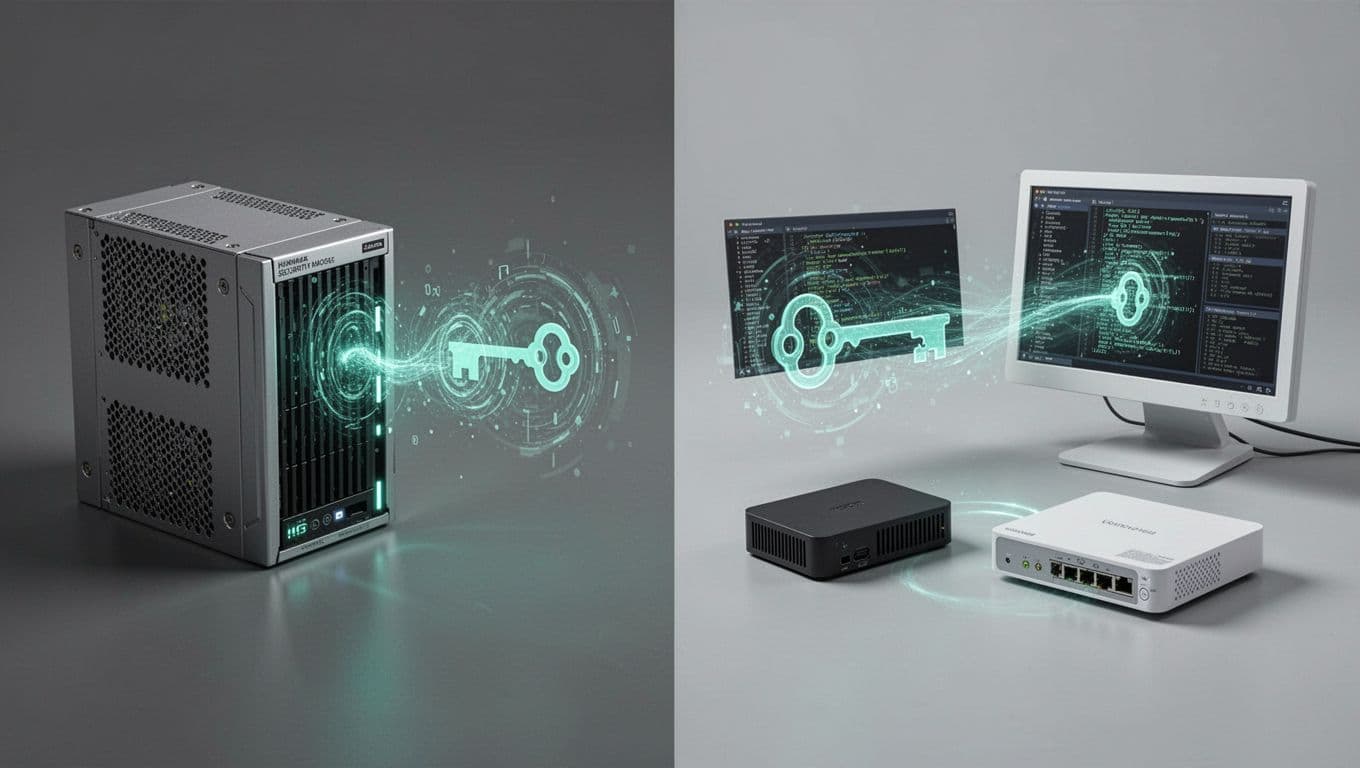
Follow this playbook for signing:
- Generate RSA-4096 or ECDSA P-384 keys in HSM.
- Hash firmware with SHA-384.
- Sign hash with private key.
- Bundle signature, manifest, and binary.
Devices verify on receipt. Check signature against root public key. Reject mismatches.
For medical devices, chain signatures. Root signs intermediates; intermediates sign firmware. This limits blast radius if one leaks.
Rotate keys quarterly. Use ceremonies: two engineers, air-gapped systems. Update device roots via initial provisioning.
TCG Guidance backs this. It prevents manipulated packages. Add time-stamps to block replays.
Anti-Rollback and Update Verification Controls
Attackers love rollbacks to old vulns. Block them with version counters.
Devices store current version in OTP memory. New firmware must exceed it. Bootloader checks before install.
Playbook for anti-rollback:
- Assign monotonic version numbers or hashes.
- Write max version to secure NV storage post-success.
- On boot, compare; halt if lower.
For IoT sensors, use hardware counters in TPMs. They increment only.
Verification goes further. Hash partitions before and after. Compare to expected in manifest. Atomic swaps prevent bricking.
Chromium’s verified boot uses key and firmware versions separately. Keys rotate without full re-provision. TF-M adds image counters for platforms without NV.
Test rollbacks. Push old signed image; confirm reject. This stops downgrade attacks cold.
| Control | Purpose | Edge Example |
|---|---|---|
| Version Counter | Block old firmware | Automotive ECU ignores pre-v2.1 |
| Hash Manifest | Integrity check | Industrial robot verifies payload |
| Secure Storage | Tamper resist | Medical pump uses TPM OTP |
These controls ensure forward progress.
Hardware-Backed Trust Anchors and Key Rotation
Trust starts in silicon. Use TPM 2.0 or secure elements for roots.
Provision anchors at factory. Root public key verifies all chains. HSMs hold signing keys offline.
For key rotation:
- Monitor usage logs.
- Generate new pairs in HSM slots.
- Sign test updates; deploy intermediates.
- Revoke old via CRLs or OCSP.
Automate where safe. AWS KMS handles rotation for cloud OTAs. On-prem, script with 4-eyes approval.
CISA’s 2026 directive stresses this for edge lifecycles. EOL devices lack updates; anchors help track.
Networking gear like routers embeds anchors. Verify OTA against them before apply.
FIPS 140-3 HSMs meet regs. Rotate roots yearly in ceremonies.
OTA Best Practices Across Device Types
OTA scales updates. But tailor to types.
Industrial: Batch during off-hours. Use MQTT over TLS. Bosch IoT Rollouts federates for gateways.
Automotive: Delta patches via UDS over CAN. Verify in ECUs with HSMs.
Medical: Stagger by risk. FDA wants audit trails.
Networking: FreeRTOS-style with AWS OTA. Revert on fail.
Common playbook:
- Poll secure endpoint for manifests.
- Download encrypted deltas.
- Verify offline.
- Dual-bank swap.
- Reboot; attest success.
Mender’s OTA guide adds least-privilege agents. Run updaters sandboxed.
Handle failures: Heartbeat to server post-install. Rollback if silent.
SBOMs in Firmware Update Workflows
SBOMs list components. They spot risks pre-update.
Generate at build. SPDX or CycloneDX format. Sign with Sigstore.
Playbook integration:
- Scan SBOM for CVEs.
- Block updates with high-severity vulns.
- Attach to OTA manifest.
For supply chains, in-toto logs provenance. Devices fetch SBOM; verify signer.
Sigstore’s keyless signing fits CI/CD. No manual keys.
Automotive mandates CBOMs for ECUs. Use them to baseline approved firmware.
| SBOM Step | Action | Tool Fit |
|---|---|---|
| Generate | CycloneDX in build | sbomify |
| Sign | Cosign attach | Sigstore |
| Verify | Pre-OTA check | in-toto |
This catches embedded malware early.
Ongoing Monitoring and Response
Updates don’t end at install. Monitor for drifts.
Dashboards track success rates, anomalies. Alert on stalls.
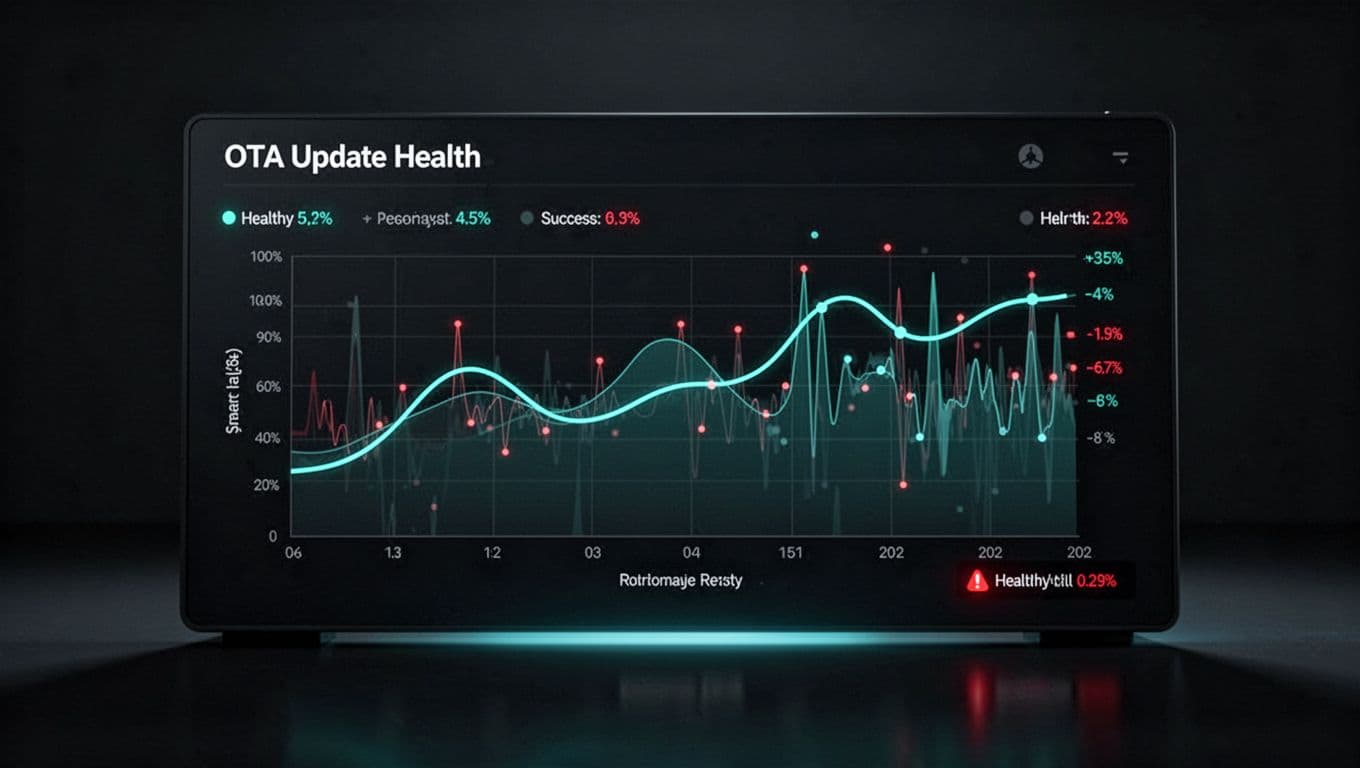
Playbook:
- Log all OTAs centrally.
- Metric: 99% success threshold.
- Detect: Unsigned attempts, rollbacks.
- Respond: Quarantine fleet segment.
SIEM ingests device attestations. Compare firmware hashes to baselines.
For smart meters, geo-fence updates. Factories segment by line.
Automate alerts via Prometheus or ELK. Review weekly.
CISA wants lifecycle tracking; this delivers.
Key Takeaways for Secure Firmware Updates
Secure pipelines block most threats. Sign everything in HSMs. Enforce anti-rollback. Monitor relentlessly.
Hardware anchors root your trust. Rotate keys often. Tailor OTAs to devices.
Start today: Inventory edges, build your first playbook. Test on staging gear.
Need expertise for complex fleets? Book a Discovery Call with Bud Consulting. They close skills gaps in DevSecOps and edge security.
Your devices stay safe. Attacks lose their edge.