table of contents
Hybrid cloud breaches hit 65% of companies last year. That’s up 18% from before. You mix on-premises servers with AWS, Azure, and Google Cloud for flexibility. But that spread creates blind spots in security.
Data flows everywhere. Identities span environments. Regulations demand constant proof of control. Without solid governance, one weak link exposes everything.
This article breaks down practical frameworks. You’ll see how to manage risks, automate policies, and build visibility across your setup. Let’s start with the main challenges.
Understand Hybrid Cloud Security Challenges
Your hybrid setup links on-premises data centers to public clouds. Workloads shift based on cost or performance needs. But security doesn’t shift as smoothly.
Threats target identities first. Hackers exploit weak access across AWS IAM roles and on-prem Active Directory. APIs between environments draw 44% more attacks. Misconfigurations let data leak from S3 buckets to local shares.
Common gaps include inconsistent policies. On-prem uses group policies. Azure has blueprints. GCP relies on organization policies. Teams chase shadows instead of enforcing rules once.
Tradeoffs hurt too. Public clouds offer auto-scaling. On-prem gives data control. But stitching them risks drift. One environment updates; others lag.

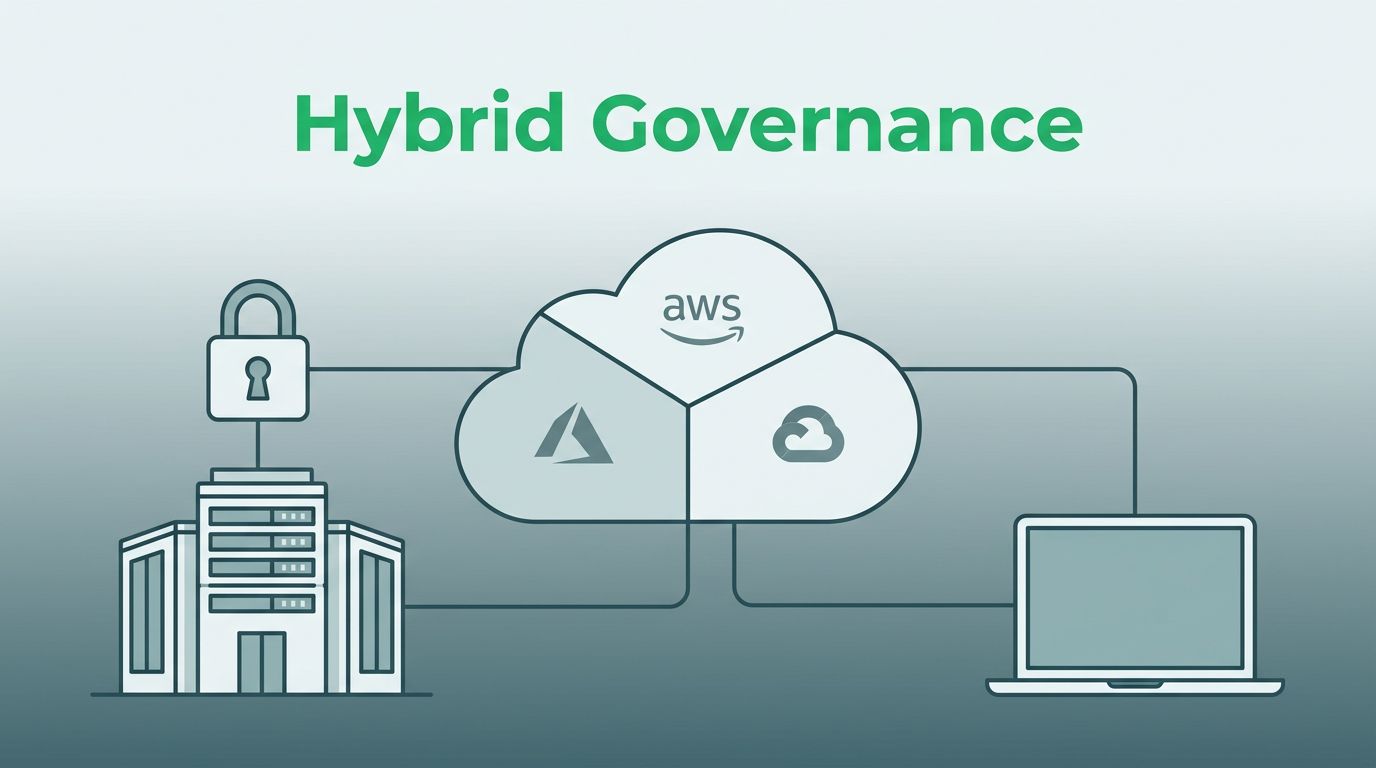
This image shows a typical hybrid flow. Secure connections use firewalls and identity layers. Yet without governance, those paths weaken over time.
NIST Cybersecurity Framework 2.0 calls out these issues. It stresses governance for supply chains and emerging tech like AI. In 2026, EU Cyber Resilience Act pushes company-wide accountability. You can’t treat security as an IT silo anymore.
Fix starts with mapping assets. List workloads by risk. Then align controls across boundaries. This baseline reveals gaps fast.
Core Components of a Strong Governance Framework
A governance framework sets rules for all environments. It defines policies, assigns roles, and tracks compliance. Think of it as your single source of truth.
Key parts include risk assessment. Score threats by likelihood and impact. On-prem legacy apps score high on exploit risk. Public cloud storage scores on exposure.
Then come controls. Use zero trust everywhere. Verify every access, no matter the origin. Just-in-time permissions limit standing privileges.
Automation ties it together. Manual checks fail in dynamic clouds. Code your policies instead.
For example, block public buckets in AWS with Service Control Policies. Mirror that in Azure Policy for blobs. On-prem scripts enforce via Ansible.
IBM’s Well-Architected Framework outlines this. It covers governance domains with automated compliance checks. Check their security and compliance guide for hybrid cloud for details.
Roles matter. CISOs own strategy. Architects map controls. Ops teams enforce daily.
Scale by starting small. Pilot on one workload. Expand with metrics like mean time to remediate.
This approach cuts breach costs. Firms with unified frameworks respond 50% faster.
Implement Policy-as-Code for Consistent Enforcement
Policy-as-code turns rules into versioned scripts. You write once. It deploys everywhere. No more config drift.
Start with tools like Open Policy Agent (OPA). It validates changes before apply. Terraform plans hit OPA gates. Bad configs fail early.
In hybrid setups, centralize in Git. Define “encrypt all databases.” Translate to AWS RDS settings, Azure SQL policies, and on-prem vault configs.
Here’s a tradeoff. Native tools like AWS SCP work great in one cloud. But multi-cloud needs abstraction. OPA bridges that gap.

Policy-as-code workflows look like this. Repos feed policies to clouds. Checks block violations.
HashiCorp’s Sentinel enforces granular rules in HCP Terraform. See their policy as code documentation.
Common pitfall: over-policy. Start with 10 high-impact rules. Like MFA mandates and public access bans. Test in CI/CD pipelines.
Benefits stack up. Developers self-serve without risk. Audits pull from logs automatically. In 2026, this meets continuous compliance demands from NIST 2.0.
Integrate with SIEM for alerts. Deviations trigger tickets. Automation remediates low-risk ones.
Your operating model shifts to code reviews. Security joins DevOps. Teams move faster with guardrails.
Gain Centralized Visibility Across Environments
Blind spots kill hybrid security. You need one view of assets, configs, and threats.
Cloud Security Posture Management (CSPM) tools scan continuously. They flag drifts from baselines.
Pick platforms like Nutanix Central or Cisco Intersight. They aggregate on-prem, AWS, Azure, GCP metrics.

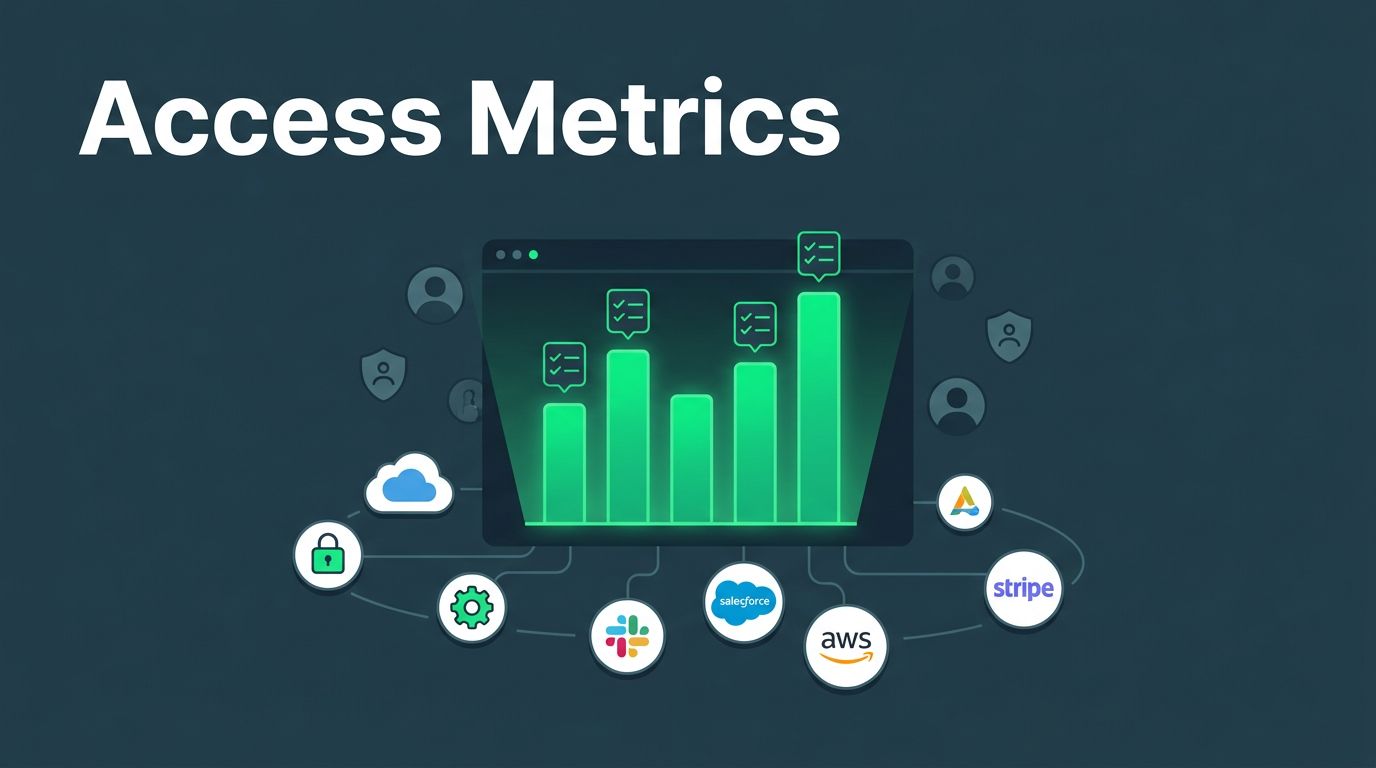
Central dashboards provide this unified sight. Charts show risks at a glance.
Tradeoff: Tool sprawl. One for logs, one for configs. Converged platforms cut that.
Feed into SIEM. Correlate events across boundaries. AI baselines spot anomalies, like odd API calls.
Policy-as-code feeds visibility. Enforcement logs prove compliance.
In practice, set baselines per environment. On-prem: Harden VMs weekly. AWS: Block public S3 daily.
2026 trends push AI detection. But data overload slows teams. 41% report longer investigations. Filter with governance rules.
Start with asset inventory. Tag everything uniformly. Then layer monitoring.
This visibility supports risk management. Prioritize fixes by exposure score.
Manage Third-Party and Vendor Risks
Vendors add attack surface. SaaS integrations touch your hybrid core. Subprocessors chain risks further.
Assess by tiers. High-risk vendors handle sensitive data. Require SOC 2 reports yearly.
Use continuous monitoring. Scan vendor postures like your own. Tools track changes in their configs.

Vendor connections need risk checks. Firewalls and monitoring secure safe paths.
Cloud Compliance Authority details third-party risk management in cloud. It phases from scoping to remediation.
Contract clauses enforce. Mandate customer-managed keys. Audit rights for subprocessors.
Gap: Fourth-parties. Vendors rely on their suppliers. Demand visibility chains.
Automate with policy-as-code. Reject untagged vendor traffic.
In 2026, supply chain rules from NIST tighten. Verify software images. Scan open-source deps.
Balance: Don’t block innovation. Approve low-risk fast. High-risk gates slow but safe.
This cuts inherited breaches. 90% start with human error, often via vendors.
Ensure Regulatory Readiness in Hybrid Setups
Regulations cross borders. GDPR demands data location proof. HIPAA requires access logs. NIST 2.0 adds governance tiers.
Map frameworks. Cloud Controls Matrix (CCM) aligns 197 controls to ISO 27001, PCI, FedRAMP.

Compliance icons match policies here. Checks confirm alignment.
EU CRA makes execs liable. Continuous audits replace annual ones.
Policy-as-code automates. Enforce “log all access 365 days.” Pull reports on demand.
Central visibility proves controls. Dashboards show mappings.
Tradeoff: Over-alignment slows. Pick regs by workload. Finance hits SOX. Healthcare HIPAA.
Test with simulations. Breach scenarios validate responses.
For multi-cloud, use cloud-agnostic policies. Practical cloud governance framework translates to native tools.
Build audit trails. Immutable logs across environments.
This readiness drops fines. Insurers reward proven postures.
Build a Scalable Operating Model
Tie it all in an operating model. Define processes that grow with clouds.
Center of Excellence (CCoE) owns frameworks. They set policies. Teams consume.
Phases: Plan with risk scores. Build via IaC. Operate with monitoring. Optimize quarterly.
Automation scales. OPA gates prevent drifts. AI triages alerts.
People gaps persist. Train on zero trust. Simulate phishing.
Measure success. Track policy violations. Aim under 1%. Response times under 1 hour.
Tradeoffs: Central control slows agility. Delegate low-risk. Centralize high.
In 2026, quantum threats loom. Prep with post-quantum crypto pilots.
Hybrid cloud compliance guide maps controls across boundaries.
Want help tailoring this? Book a Discovery Call with Bud Consulting.
Key Takeaways for Hybrid Cloud Governance
Strong frameworks unify on-prem and clouds. Policy-as-code enforces rules. Visibility spots risks early.
Automation beats manual work. It scales with growth and meets 2026 regs like NIST 2.0.
Focus on identities, vendors, and continuous checks. These cut breaches most.
Build yours step by step. Start with baselines. Measure progress. Your setup stays secure.