table of contents
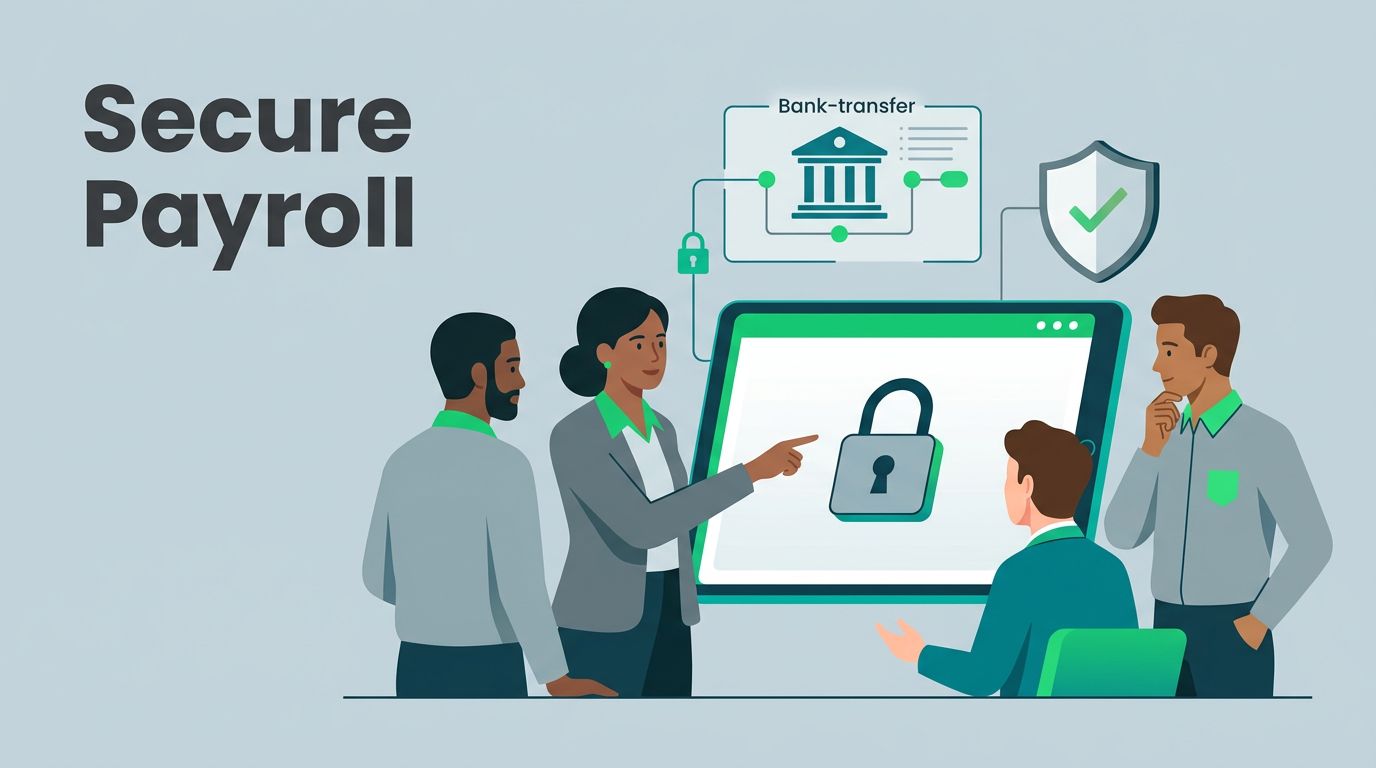
Payroll teams are the primary target for attackers seeking to divert employee wages. Criminals use social engineering and phishing to trick administrators into changing banking details, often posing as trusted employees to gain access to funds. Because these requests seem routine, they bypass traditional security filters, making human awareness your most effective defense against direct deposit fraud.
Training your staff goes beyond simple awareness. You must build specific, rigid protocols that remove the temptation to act quickly on unverified information. By empowering your team to pause and confirm every change request, you turn a vulnerable process into a secure operation.
Building a Culture of Verification
A strong defense starts with changing how your team views incoming requests. When an email arrives asking to update payroll information, the instinct is to process it and move to the next task. This urgency is exactly what attackers exploit. You should emphasize that no request is too small or too routine to bypass security checks.

!
Training sessions should focus on the “verify, don’t trust” mindset. Every request for an account update needs independent validation. For a detailed guide on why these schemes remain prevalent, you can review how criminals divert payroll funds. When your team understands the mechanics behind these attacks, they become more likely to spot inconsistencies, such as a mismatched sender address or an uncharacteristic tone of voice. If your internal team struggles to implement these defensive habits, you can Book a Discovery Call with Bud Consulting to discuss ways to strengthen your security culture.
Implementing Mandatory Callback Procedures
Never rely on the contact information provided within an email or chat message. If a request for a banking change arrives, your staff must use a verified, pre-existing phone number from your internal directory to call the employee. This single step stops the majority of fraud attempts because it forces the attacker to engage in real-time voice verification, which they cannot do.
Standardizing this process ensures consistency. Create a policy where no changes occur without a successful callback to an employee’s known personal or office line. This procedure is documented in helpful resources like these tips for preventing payroll diversion. When you treat every digital request as a potential threat, you remove the guesswork from your payroll workflow.
Separation of Duties and Approval Chains
Human error remains a significant risk. By requiring two different people to authorize any banking change, you create a buffer that makes it difficult for a single compromised account to cause a total loss. The first person might process the technical entry, while the second person confirms the verification steps took place.
Consider implementing a time delay between when a user enters information and when the system actually processes the deposit. This delay gives your team time to catch discrepancies or notify the employee of a pending change. According to guidance on preventing direct deposit phishing, these small administrative pauses are essential to decreasing the chance of fund theft.
Recognizing Phishing and Social Engineering
Attackers are becoming adept at mimicking corporate communication. Your payroll team should know how to inspect email headers, identify suspicious link structures, and recognize high-pressure language. Training should include regular, low-stakes drills where you send simulated phishing emails to test if staff follow the verification protocols.
If a staff member encounters a suspicious message, provide a clear path for reporting it. They should notify IT or security immediately rather than attempting to resolve the issue themselves. Removing the pressure to handle these tasks alone helps your team feel comfortable raising concerns, which is key to maintaining a secure environment.
Establishing Documentation Standards
Clear, consistent documentation is your best record if an incident occurs. Every time a banking update is requested, the payroll team should log the date, time, method of verification, and the name of the person who confirmed the change. This audit trail is useful for internal reviews and helps identify patterns if an attacker repeatedly targets your firm.
Documentation also serves as a checklist for the team. If a specific request doesn’t fit the standard, it forces the administrator to pause and seek managerial guidance. When you have a clear, written requirement for how to handle these events, you reduce the likelihood that someone will skip a step in the heat of a busy workday.
Developing an Escalation Path
Not every request will look like an obvious scam. Sometimes the attacker does their research, using details they scraped from public social media profiles. When your team encounters a situation where they feel uncertain, they need an escalation path that doesn’t involve “figuring it out” on their own.
Establish a clear protocol for when to stop and call a manager. This path should be free of judgment. By rewarding staff for reporting suspicious requests, you encourage them to act as a security layer rather than a simple data entry point. When you train your people to prioritize security over speed, you effectively block the path for most criminals.
Periodic Training and Simulation
The threat environment changes daily. Annual training is rarely enough to keep your team sharp against the latest social engineering tactics. Conduct brief, periodic refreshers that cover new trends in digital crime. These sessions do not need to be long or complex; focus on one specific scenario or type of attack at a time.
Include practical simulation exercises to keep the team on their toes. These drills provide a safe space to practice your callback and verification protocols. When staff members have successfully walked through a fake attack, they develop the muscle memory required to handle a real one if it occurs.
Maintaining Technical Controls
While human training is critical, you should also support your team with robust technical security. Ensure your payroll and HR portals require multi-factor authentication for every login. If an account is breached, this simple step prevents the attacker from gaining full control over your payroll database.
Furthermore, ensure that payroll login credentials are distinct from those used for general email or company surveys. Attackers often compromise less secure systems to harvest passwords for more sensitive applications. By isolating your payroll environment, you limit the damage that a single stolen password can cause. Monitoring for unusual activity, such as multiple account updates in a single day, provides another layer of protection that catches what humans might overlook.
The most effective way to secure your payroll process is through a combination of well-trained staff and rigid procedures. By fostering a culture that prioritizes verification over convenience, you significantly reduce your exposure to fraud. Remind your team that a short, verified phone call is a much smaller cost than the loss of wages and the resulting trust damage to your organization. Consistent reinforcement of these habits will keep your sensitive payroll data safe and your team alert.