table of contents
Rare cybersecurity talent is hard to find, and harder to keep. In 2026, the market is still tight, with millions of open roles worldwide. Cloud security, AppSec, incident response, and security architecture remain especially hard to staff.
That means the real work starts after the offer gets signed. If the first 90 days feel rushed or unclear, strong people start looking again. Cybersecurity talent retention begins with how you treat the job, the manager, and the growth path.
Start Strong in the First 90 Days
New hires decide fast whether a team feels organized or chaotic. Security people notice access delays, vague goals, and missing context right away. They also notice when a manager knows the stack, the risks, and the business.
Build a 30-60-90 plan before day one. Give each hire one owned project, one mentor, and one clear outcome. A security analyst might tune detections. A cloud security specialist might harden a shared service. An AppSec hire might review a high-risk release path.
Small details matter too. Ship equipment early. Map stakeholders. Explain escalation paths and after-hours rules. When people know what good looks like, they relax faster and contribute sooner.

Give Managers the Time and Tools to Keep People
Retention lives or dies with the direct manager. Weekly 1:1s matter because security work changes fast. Managers should clear blockers, not just collect updates. They also need the power to re-prioritize work when an incident lands.
That matters even more for incident responders and security engineers. If every urgent task lands on the same two people, burnout follows. Use fair on-call rotation, hand off routine tickets, and protect focus time for deep work.
Strong people rarely leave because the work is hard. They leave when the load is uneven and the support is thin.
Good managers also talk about recovery after major events. Give people time to reset after a rough week. Then hold a short review, fix the process, and move on. That is how teams stay sharp without grinding people down.

Show Career Growth in Plain Language
Rare talent wants to know what comes next. If you don’t show that path, recruiters will. Spell out what growth looks like for both technical and leadership tracks. A senior analyst may want threat-hunting depth. A cloud security architect may want broader platform ownership. An AppSec lead may want product influence.
Make the path concrete. Tie each step to skills, scope, and pay band. Fund labs, training, and certs that match the role. Then review progress on a real schedule, not whenever someone remembers.
Skills-based hiring and promotion help here. The piece on skills-based cyber talent practices shows why people stay when they can see how to grow. Gartner’s cybersecurity talent guidance points in the same direction.
If you need support with senior searches and retention planning, Book a Discovery Call with Bud Consulting is a practical next step.

Measure Retention Before It Slips
Track a few signs every month. Exit interviews come too late. The point is to spot risk while people still care enough to stay.
| Metric | What it tells you | Healthy signal |
|---|---|---|
| 90-day retention rate | Whether onboarding and role fit are working | New hires stay through the first quarter |
| Manager check-in rate | Whether people get attention early | Weekly 1:1s happen most weeks |
| After-hours load | Burnout risk on the team | Escalations are spread out |
| Internal moves | Whether growth is real | Good people can move without leaving |
If those numbers slide, the problem is already visible. You do not need to wait for resignations to know something is off.
The Mistakes That Push Rare Talent Away
Franklin Fitch’s guide on retaining your best cybersecurity employees makes the same point. Most exits start with fixable management habits.
- Promising growth without timelines, budget, or real reviews.
- Treating a senior hire like a junior trainee.
- Making a few top performers absorb every alert, audit, and incident.
- Leaving the security mission vague, so the work feels reactive.
- Skipping manager training and expecting retention to happen on its own.
Rare people do not stay for slogans. They stay when the job feels fair, the scope feels real, and the future is visible.
Keep the Role Worth Staying In
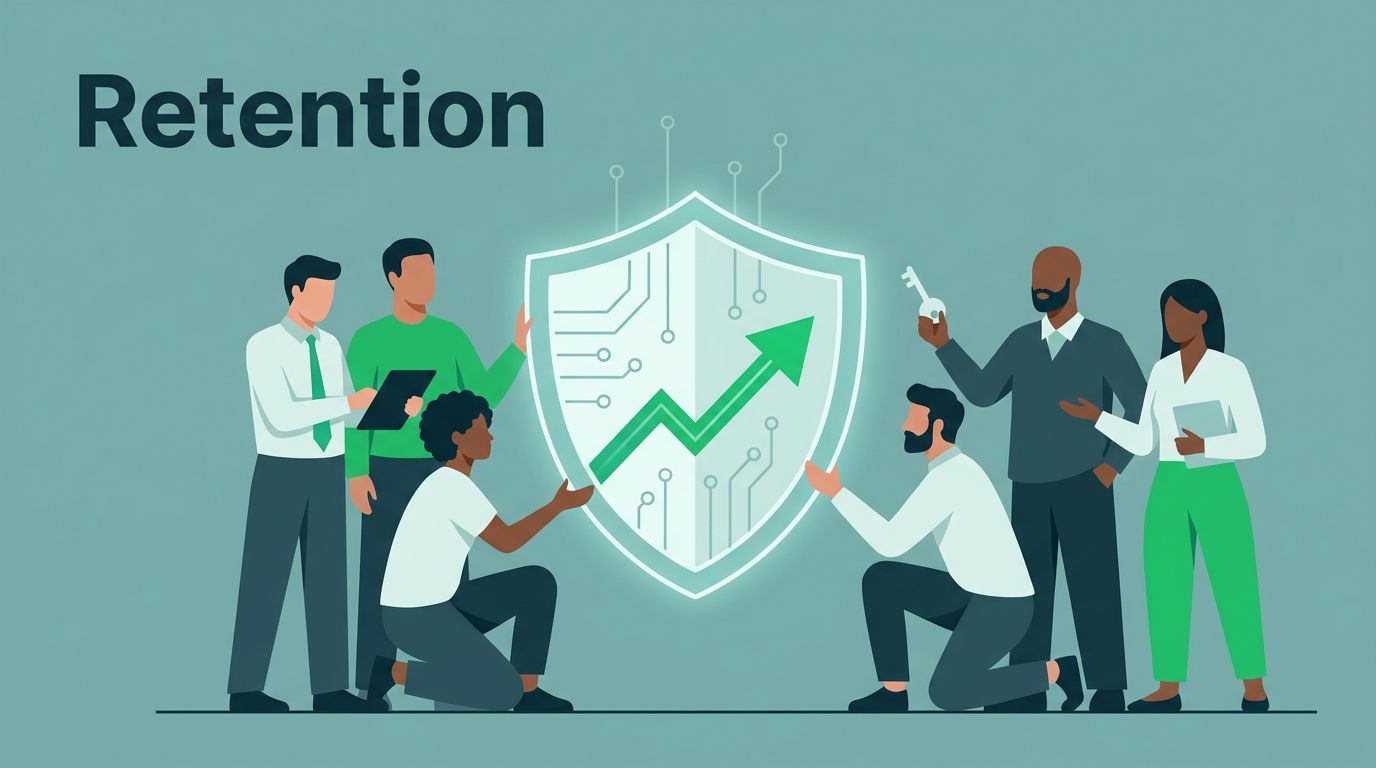
Cybersecurity talent retention is won in the first 90 days, then reinforced every week after that. A strong manager, a sane workload, and a clear next step do more to keep people than any glossy perk.
If the role still feels worth doing after the pressure hits, your best hires will stay. If it feels chaotic, they will leave long before you expect them to.