table of contents
Security proposals can look polished and still miss the mark. A good security consultant proposal comparison template helps you separate real fit from presentation. It gives business owners, procurement teams, and security leaders a fair way to compare scope, skill, and support.
When the work affects data, uptime, and compliance, small gaps matter. A clear template makes those gaps visible before you sign.
What a serious proposal review should cover
Start with the work itself. Then check whether the proposal explains how that work gets done.

Look for these items in every proposal:
- Scope of work defines the assets, teams, and risks covered.
- Consultant qualifications show who has done similar work and at what level.
- Methodology explains how the consultant will assess, test, or advise.
- Deliverables tell you what you get, and when you get it.
- Timeline shows phases, milestones, and review points.
- Pricing model reveals whether the cost is fixed, hourly, or retainer-based.
- Compliance expertise matters when standards or audits shape the job.
- Communication approach should match your internal pace and escalation path.
- References and case studies prove the consultant has handled similar work.
- Post-engagement support shows what happens after the final report or handoff.
A proposal should read like a plan, not a brochure. If it only talks about broad experience, ask for specifics. Who does the work? What assets are in scope? What does the team do first?
Pay close attention to exclusions. Some proposals cover assessment but not retesting. Others include workshops but exclude remediation help. Those gaps matter because they affect cost and risk.
If compliance is part of the brief, ask which standard matters most. A SOC 2 review needs different proof than a privacy audit. The same goes for cloud security or IAM work, where the consultant should show relevant tools and hands-on experience.
A simple scorecard you can reuse
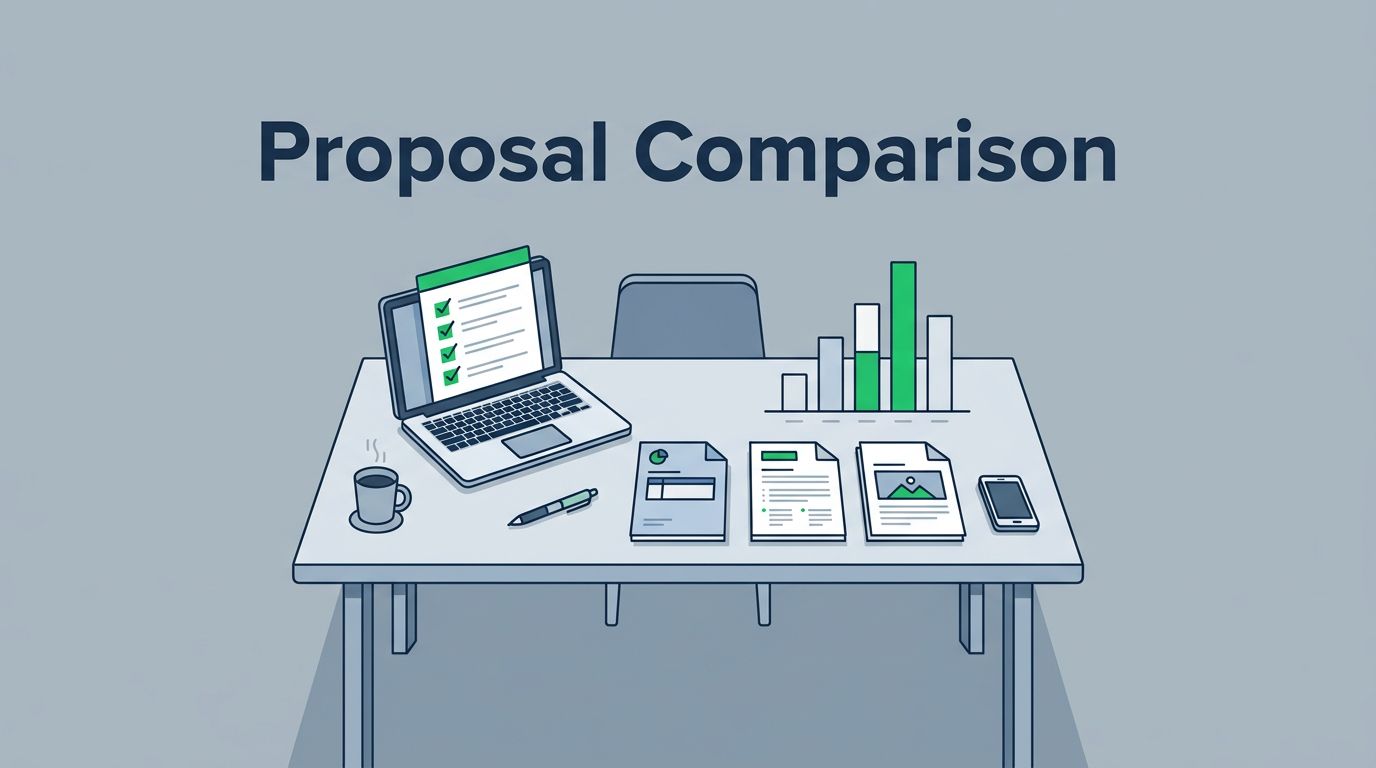
Once the criteria are clear, turn them into one scorecard. That keeps personal preference from taking over.
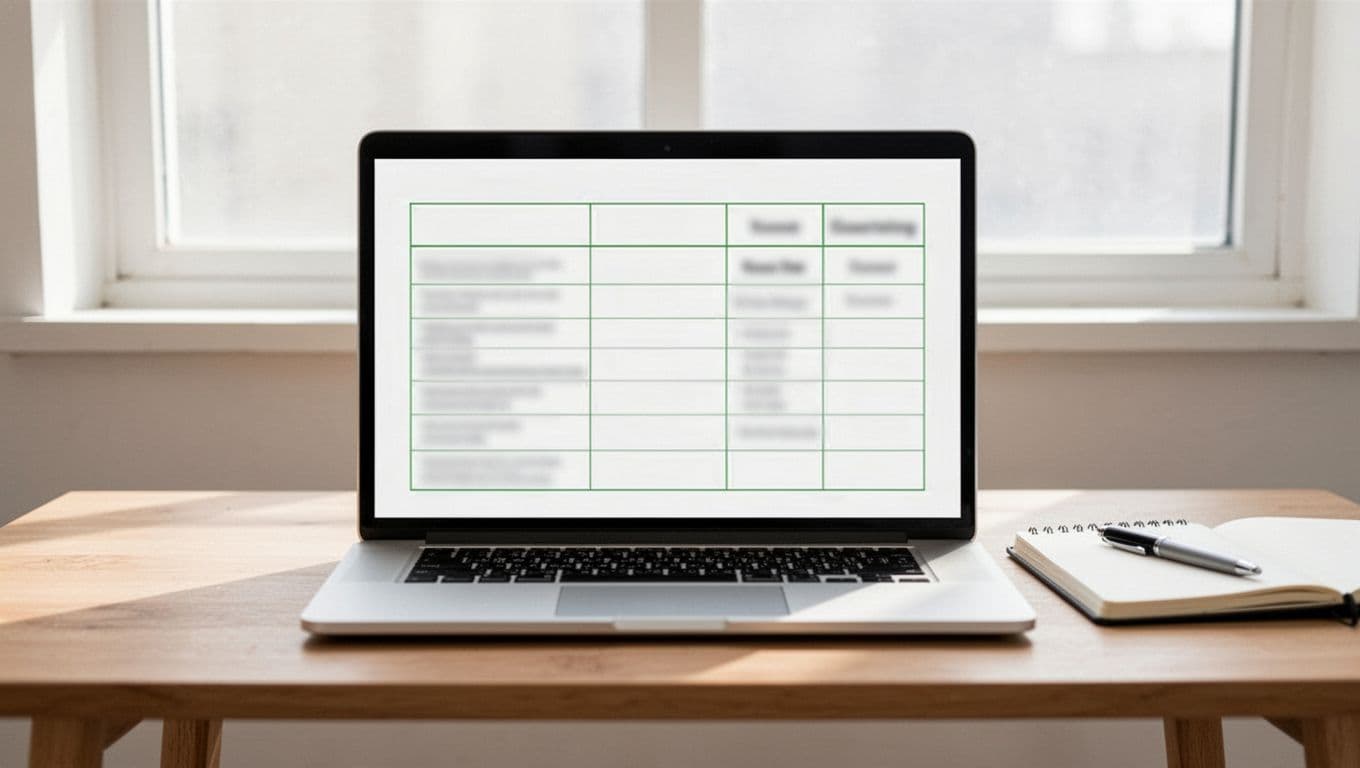
| Criteria | Weight | Vendor A | Vendor B | Vendor C |
|---|---|---|---|---|
| Scope of work | 15% | |||
| Consultant qualifications | 15% | |||
| Methodology | 10% | |||
| Deliverables | 10% | |||
| Timeline | 10% | |||
| Pricing model | 15% | |||
| Compliance expertise | 10% | |||
| Communication approach | 5% | |||
| References and case studies | 5% | |||
| Post-engagement support | 5% | |||
| Total | 100% |
Use a 1 to 5 score for each vendor in every row. Multiply by the weight, then total the columns. If two vendors end up close, the notes and references usually break the tie.
A scorecard works best when every proposal answers the same questions in the same order.
Weight the items that affect risk first. Scope and qualifications should carry more value than presentation polish. Otherwise, a flashy deck can outrank a stronger plan.
How to pick the winner after scoring
A strong score still needs a final review. This is where communication, proof, and support matter.

Read the references with a sharp eye. A consultant who worked in a similar environment will spot real issues faster. Look for case studies that show outcomes, not just client names.
Then check the support after delivery. Will the consultant answer questions, join a closeout meeting, or retest fixes? If the proposal is vague here, the work may end too soon.
Communication style also matters. If the consultant writes clearly and sets expectations early, your internal teams will have less friction later. That matters when the project touches executives, engineering, or compliance teams.
If your shortlist includes senior security advisors or hard-to-fill specialist roles, Book a Discovery Call with Bud Consulting if you want help pressure-testing the proposal set before a final decision.
When two proposals score close, use fit and clarity as tie-breakers. The stronger choice usually explains limits, names the team, and gives a realistic path for the first month.
A good comparison template gives every proposal the same test. That makes weak scope, thin proof, and missing support easy to spot.
When the numbers are close, choose the proposal that explains the work plainly and backs it up with relevant experience. That’s the part that turns a polished bid into a decision you can trust.