table of contents
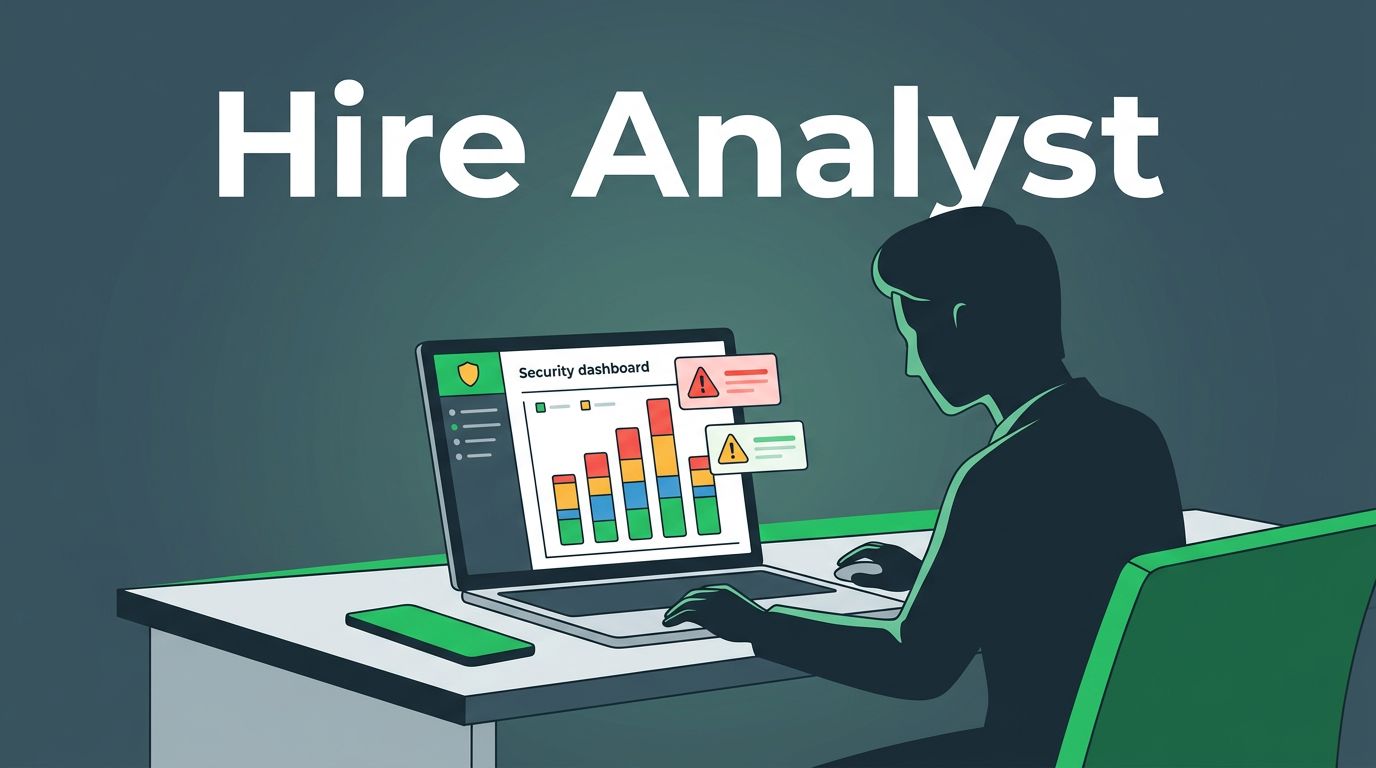
Security teams can collect thousands of alerts and still miss the story. A strong security data analyst turns that noise into reporting leaders can use.
That matters even more in 2026. Cloud logs, AI-driven threats, and tighter compliance checks all demand cleaner data and sharper judgment. The right hire does more than build charts. They make your metrics believable.
Define the role around reporting outcomes
Start with the result you want, not the job title alone. This person should improve dashboard accuracy, KPI design, trend analysis, compliance reporting, and executive reporting.
That means the role needs a clear home. In some companies, the analyst supports the SOC. In others, they sit closer to GRC, risk, or security operations leadership. The best setup depends on where your reporting gaps are.
If you need a useful baseline on broader analyst skills, the security analyst career guide gives a practical view of the field. For hiring, the key is to define what “good reporting” means inside your business.
That usually includes:
- fewer manual reports
- cleaner source data
- faster trend analysis
- better audit support
- clearer updates for executives
A strong job description should name the systems they touch, the reports they own, and the decisions those reports support. Otherwise, you may hire a generalist when you need a reporting owner.
The skills that matter in 2026
In 2026, a security data analyst needs both security context and data skill. If they only know dashboards, they will miss the meaning behind the numbers. If they only know security, they may struggle to clean and explain the data.
Here is a simple way to assess the core mix.
| Skill area | What to look for | Business result |
|---|---|---|
| SIEM and telemetry | Experience with Splunk, Microsoft Sentinel, or similar tools | Better alert trend analysis and incident reporting |
| SQL and Python | Can query, clean, and automate recurring reports | Less manual work and fewer errors |
| BI and spreadsheets | Works well with Power BI, Looker, and Excel | Dashboards leaders can read fast |
| Security and compliance | Knows NIST, ISO 27001, audit needs, and control language | Cleaner compliance reporting |
| Communication | Explains findings in plain language | Faster decisions and fewer rewrites |
For a wider view of current hiring expectations, the 2026 cybersecurity skills list is a useful benchmark. Still, your shortlist should focus on daily work, not buzzwords.

A good candidate can also work across ticketing systems like ServiceNow or Jira, and pull from cloud telemetry such as AWS CloudTrail, Azure Monitor, or Google Cloud logs. That range matters because security reporting rarely comes from one clean source.
Screen for evidence, not polished resumes
A resume can say “data-driven” without proving anything. So ask for artifacts that show how the candidate thinks.
The strongest screening process usually asks for:
- a redacted dashboard or report sample
- a SQL query that supports a real metric
- a short explanation of how they defined one KPI
- an example of how they handled bad or incomplete data
That approach is close to broader cyber hiring advice, but the reporting bar should be higher. The how to hire a cybersecurity analyst guide is a helpful starting point, especially if you want a tighter interview flow.

Photo by Tima Miroshnichenko
During screening, watch for clarity. Does the candidate explain why a chart changed, or only how they built it? Do they talk about data quality, source systems, and edge cases? Those answers separate a reporting owner from a dashboard builder.
Interview for judgment, clarity, and trust
Good interview questions should test how the candidate handles uncertainty. That matters because security data is often messy, incomplete, or delayed.
Ask things like:
- How do you explain a spike in failed logins when the source data changed?
- How do you decide whether a KPI is still useful?
- How would you brief a CISO when the numbers are not fully clean?
- How do you keep compliance reports consistent over time?
If a candidate cannot explain why a metric moved, they will struggle to defend it in front of leaders.
Also listen for how they talk to different audiences. A SOC manager needs detail. An executive needs the takeaway. A compliance lead needs consistency and traceability. The right security data analyst can shift tone without losing the message.
Set the first 90 days around clean metrics
Once you hire, move fast on data hygiene. The first month should focus on source systems, metric definitions, and report owners. Without that work, even strong analysts waste time fixing old confusion.
A useful 90-day plan includes three priorities. First, document the source of every KPI. Next, review dashboard logic and remove duplicate counts. Finally, ship one report that leadership can trust and one compliance view that audit teams can use.
That early structure also helps the analyst show value quickly. For example, they may spot that one tool overstates incidents because it counts retries as events. Or they may find that a weekly executive report hides a useful trend in cloud alerts.
If your team needs support finding someone who can handle both analysis and security context, Book a Discovery Call with Bud Consulting.
Hire for reports people can trust
The best hire will not just make reports look better. They will make them harder to question. That is what you want from a security data analyst in 2026.
When the role is defined around reporting outcomes, the screening is based on proof, and the interview tests judgment, your team gets clearer metrics and better decisions. That is the difference between data that fills a dashboard and data that actually moves the business.