table of contents
Ransomware groups wiped devices in real time this year. Attackers breached telecoms and small businesses through unpatched VPNs. AI-powered hacks jumped 89%, and cloud misconfigurations let state actors in.
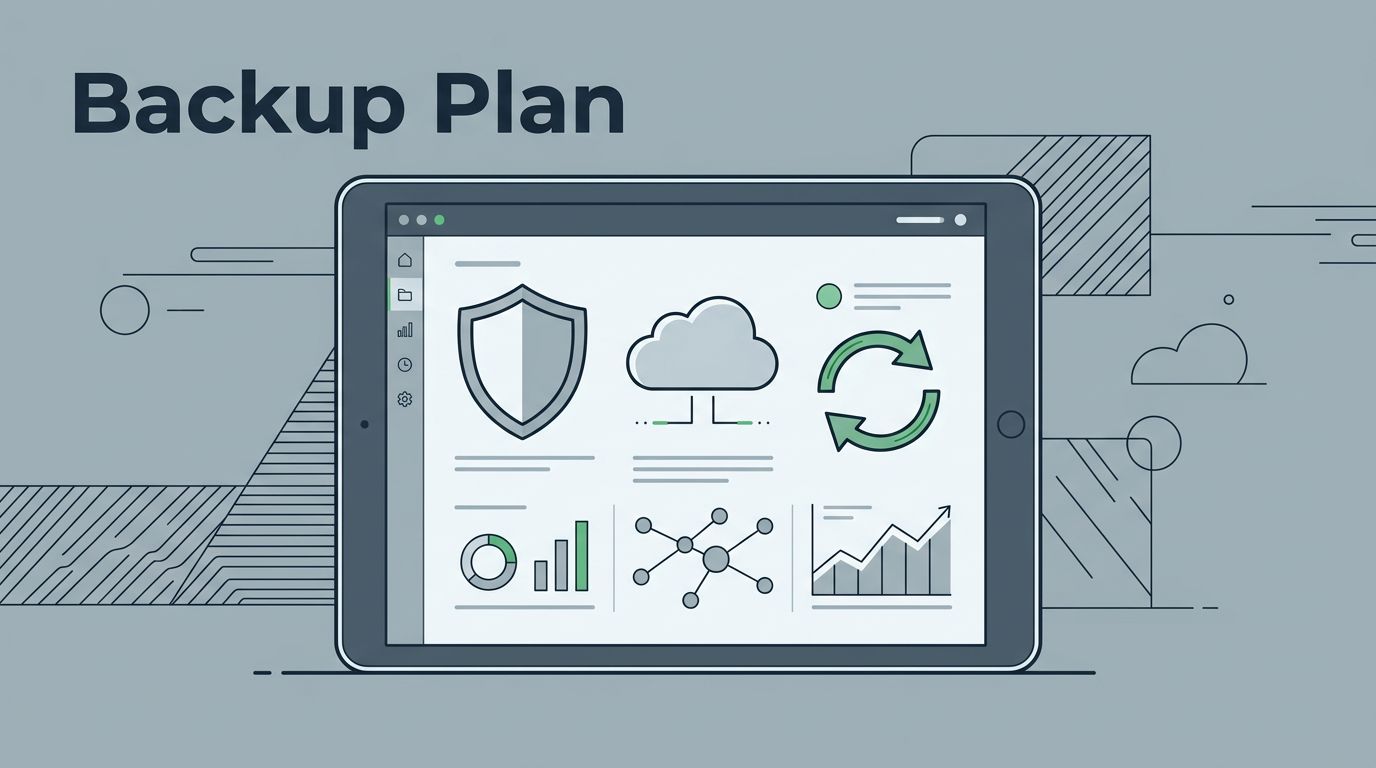
You face these threats as a security leader. Budgets stay flat, but risks grow. A solid backup plan lets you handle surprises without scrambling for funds.
This guide shows you how. Start by checking your setup, then prioritize, layer reserves, and measure results.
Assess Your Current Security Budget
Look at your spending first. Does it cover basics like endpoint protection and patching? Mid-sized orgs often allocate 10-15% of IT budgets to security, but that’s not enough for 2026 threats.
Pull reports from last quarter. Track costs for tools, staff, and incidents. Note gaps, such as no funds for vendor audits or AI defenses.

Spot trends from recent data. Ransomware breakout times dropped to 29 minutes. Vendor breaches quadrupled. If your budget ignores these, you’re exposed.
Calculate your baseline. Add up prevention (firewalls, training), detection (SIEM, EDR), and response (incident teams). Compare to benchmarks. For example, Crowe outlines strategic planning for 2026 cybersecurity budgets, stressing loss exposure models.
Test for shortfalls. Run a quick audit. Ask: Can we patch edge devices fast? Do we have cloud config checks? Limited resources mean you focus on high-impact fixes first.
Build from here. This assessment sets your foundation for backups.
Prioritize Risks by Business Impact
Not all threats hit the same. Rank them by likelihood and business harm. Ransomware could halt operations. AI attacks steal data fast.
Use a risk matrix. Plot threats on axes: likelihood (low to high) and impact (revenue loss, downtime).
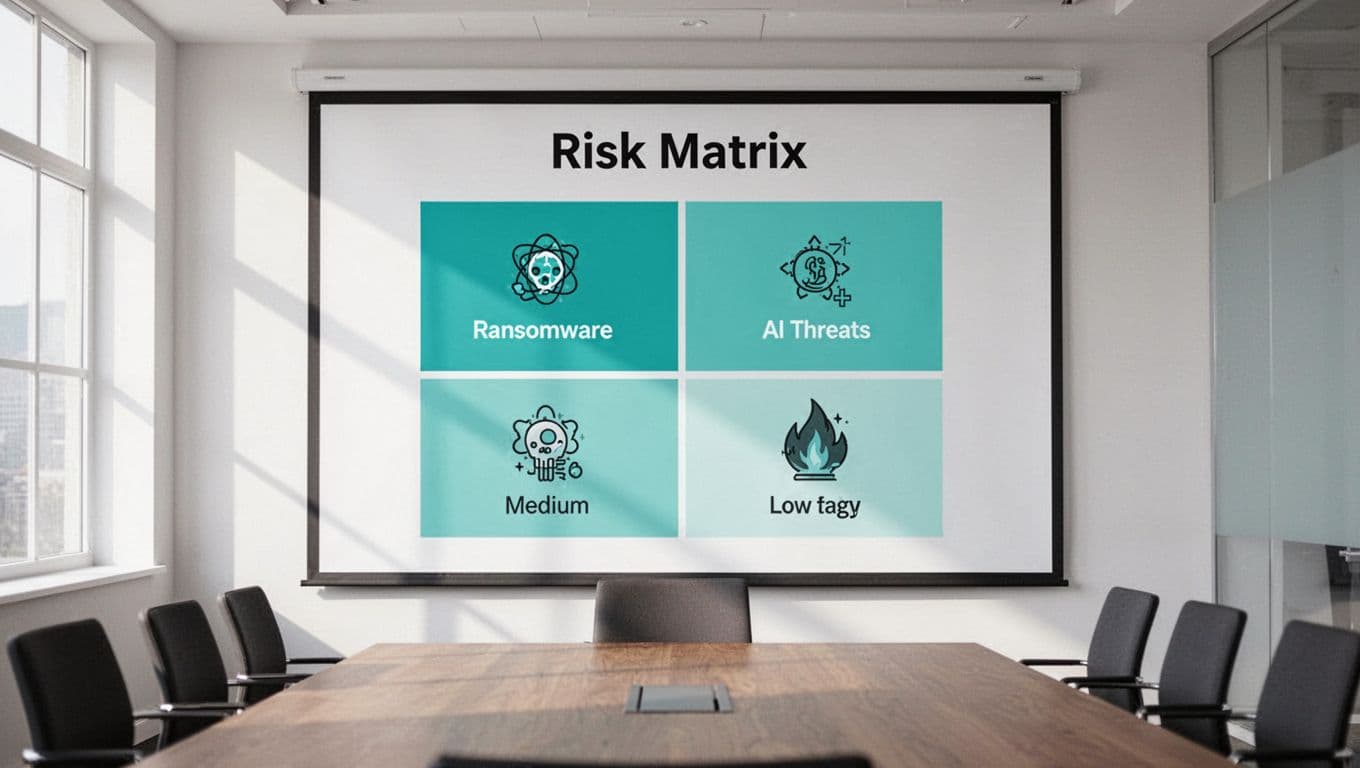
| Risk Type | Likelihood | Impact | Priority Action |
|---|---|---|---|
| Ransomware | High | High | Backup validation, EDR upgrades |
| AI-powered phishing | Medium-High | High | Employee training, AI detection |
| Vendor breaches | High | Medium | Third-party audits |
| Cloud misconfigs | Medium | High | Config scanning tools |
| Insider threats | Low-Medium | Medium | Access reviews, monitoring |
This table guides you. High-high risks get first dibs on backups. For instance, Wiz shares CISO budget tips for 2026, linking spends to risk drops.
Tie to business. A downtime hour might cost $50,000. Quantify that. Regulatory shifts, like FCC telecom rules, add compliance costs too.
Review quarterly. New trends emerge, such as shadow AI or MFA bypasses. Adjust priorities so your plan stays sharp.
Set Up Contingency Tiers and Thresholds
Layer your backups like building blocks. Split reserves into tiers for flexibility.
Tier 1: Operations buffer (10-20% of budget). Covers routine spikes, like extra patching.
Tier 2: Incident response (20-30%). Funds forensics or breach containment.
Tier 3: Major events (30-40%). Handles ransomware payouts or full recovery.

Set clear thresholds. Release Tier 1 at 5% budget overrun. Tier 2 needs board approval after a confirmed breach. Tier 3 triggers on events over $100,000 impact.
Valydex describes SMB tiers from essential to assurance-focused. Match yours to size. Small orgs start lean.
Fund these from efficiencies. Cut tool sprawl. Automate scans. This frees cash without hikes.
Test tiers yearly. Simulate a cloud breach. See if funds flow fast.
Define Triggers and Measure ROI
Triggers keep funds locked until needed. Use metrics like threat scores or incident severity.
For example, a vendor flaw with high exploit rate taps Tier 2. Document rules in policy.
Track ROI to justify backups. Use simple formulas. Annualized Loss Expectancy (ALE) = threat likelihood x impact cost.
Gordon-Loeb suggests spending 37% of expected loss on controls. Safe Security details this ROI framework for 2026.
Measure post-spend. Did EDR cut response time? Log MTTR drops or incidents avoided. Report to finance: $1 spent saves $3.50 in breaches.
Adjust annually. If AI threats rise, shift 15% to defenses. Continuity Insights notes AI budget jumps to 48% soon.
Key Takeaways
A backup plan turns surprises into managed events. You assessed gaps, ranked risks, tiered funds, and set measures.
Start small. Pick two high risks today. Build from there.
Your security holds stronger now. For help with skills or strategy, book a discovery call with Bud Consulting.
Threats keep coming. But you’re ready.