table of contents
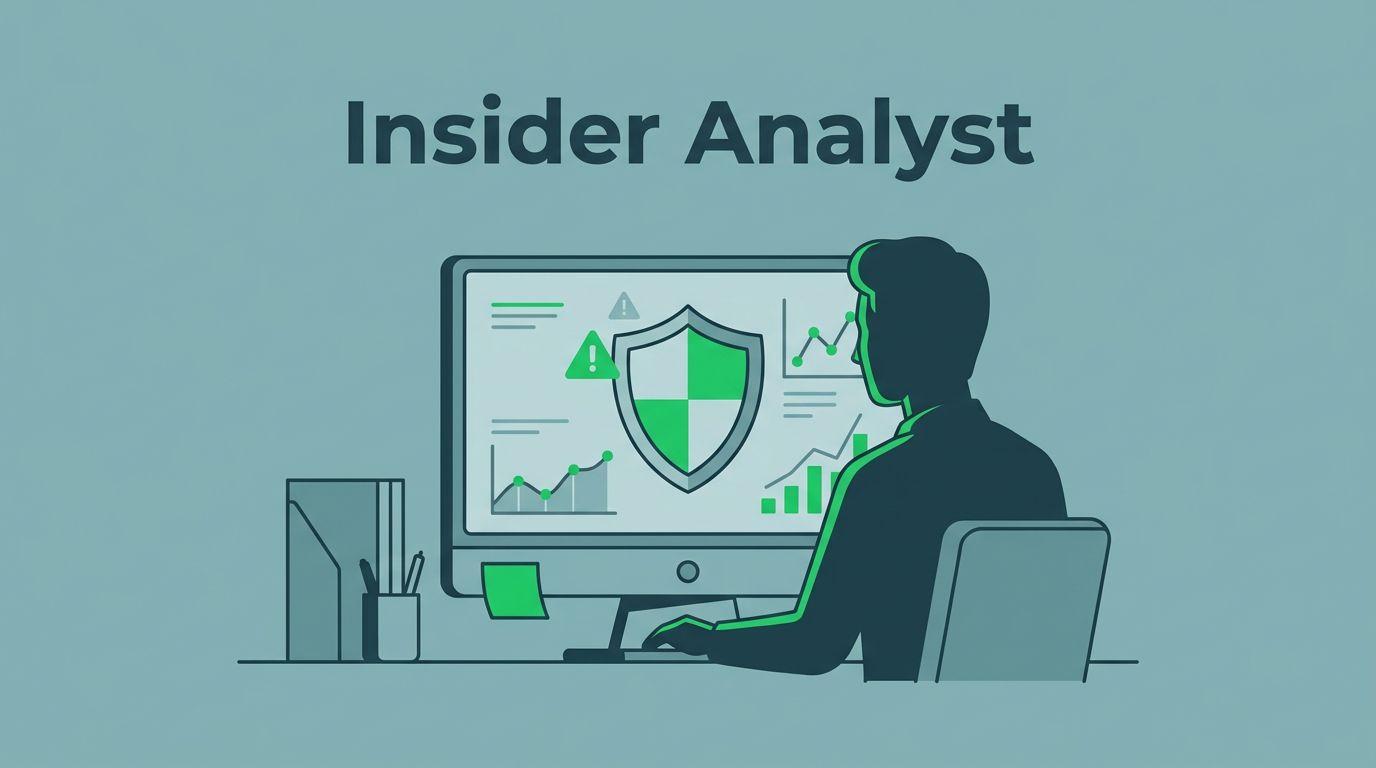
Your small team spots unusual log activity from an employee account. Is it a mistake, or something worse? Insider threats hit SMBs hard because you lack the big-company tools and staff to catch them early.
These risks cost time and money you don’t have. A dedicated insider threat analyst can change that without breaking your budget. This guide shows you how to hire one right, even with limited resources.
Know When Your Team Needs an Insider Threat Analyst
Small security teams often juggle too much. You handle firewalls, patches, and user training already. So ask yourself: do insider threats demand a full-time role yet?
Start with basics first. Check if current tools flag odd behavior, like mass file downloads or off-hours access. If incidents stay rare, outsource monitoring or train your IT staff instead. For example, SentinelOne’s guide for small businesses stresses IT hygiene and awareness training as low-cost starts.
Hire when data loss attempts rise or compliance rules tighten. In 2026, with remote work still common, unusual VPN logins signal trouble. A full analyst makes sense if your revenue tops $10 million or you store customer data. Otherwise, wait. You save cash and avoid overload.
Track metrics like alert volume. If your SIEM overwhelms one person weekly, pull the trigger. This keeps hires practical.
Key Skills Your Insider Threat Analyst Needs
Focus on versatile pros who fit small teams. They must analyze logs, spot behavior shifts, and talk to HR without drama.
Top skills include log analysis and behavioral analytics. They dig through SIEM data for patterns, like sudden access spikes. Look for experience with tools like Splunk or Microsoft Purview. Hands-on investigations matter too; they triage alerts and chase leads.
Data loss prevention ranks high. Your analyst watches for risky shares via email or cloud. Access monitoring follows close; they flag privilege abuse. As Digital Guardian explains, analysts assess vulnerabilities and policy breaks daily.
Soft skills seal the deal. Strong communication lets them brief leaders clearly. Collaboration with HR and legal handles sensitive cases. Ethics matter; they balance privacy and security.
Here’s a quick checklist:
- Log and UEBA proficiency: Parses alerts fast.
- Investigation experience: Turns data into actions.
- Risk awareness: Knows data exfiltration tricks.
- Team player: Works with non-tech folks.

Prioritize these for SMBs. Big-firm experts often expect enterprise budgets, so seek mid-level talent with startup grit.
Write a Job Description That Fits Your Budget
Keep it simple and real. List must-haves like 2-3 years in SOC or investigations. Mention tools you use, even basic ones.
Highlight small-team perks: ownership, quick impact, flexible hours. Budget $90K-$120K base for 2026, plus remote options. Avoid enterprise lingo; say “join our lean team to own insider threat from day one.”
Sample snippet: “You’ll monitor user activity, investigate alerts, and partner with HR on risks. Experience with DLP or UEBA helps.”
Post on LinkedIn, Indeed, or cybersecurity boards. As this job overview notes, stress behavioral psychology and ethics to draw quality candidates. Aim for 10-15 applicants; quality beats quantity.
Build Your Hiring Scorecard
Score candidates objectively to save time. Weight skills 40%, experience 30%, fit 30%. Use a simple rubric.
Set up a shared sheet. Rate on a 1-5 scale per category. Total scores guide decisions.
| Category | Weight | Criteria Example | Score (1-5) |
|---|---|---|---|
| Technical Skills | 40% | Log analysis, UEBA knowledge | |
| Experience | 30% | 2+ years investigations | |
| Communication | 15% | Clear case summaries | |
| Team Fit | 15% | HR collaboration examples |
Add notes column for proof, like past projects. Top scorer gets the offer.
This method cuts bias. For small teams, it ensures hires scale with you.

Test with a trial task: review sample logs and report findings.
Craft Smart Interview Questions
Ask behavior-based questions. Probe real scenarios to reveal fit.
Start with: “Walk us through an insider investigation you led.” Listen for steps: triage, evidence gather, resolution.
Follow up: “How do you handle HR pushback on a risky employee?” Good answers stress facts and policy.
Test tech: “Describe spotting data exfiltration in logs.” Or give a mock alert.
For culture: “How do you balance monitoring and trust?” Small teams need discreet pros.

Involve your IT lead. Keep it to 45 minutes. Reference checks confirm stories.
Final Steps to Secure Your Hire
The right insider threat analyst protects your SMB without enterprise costs. Focus on core skills, use a scorecard, and interview smart.
Start small: assess needs, post the job, score applicants. You’ll build stronger defenses fast.
Ready to find talent? Book a Discovery Call with Bud Consulting for vetted matches.
Your team stays ahead. Act now.