table of contents
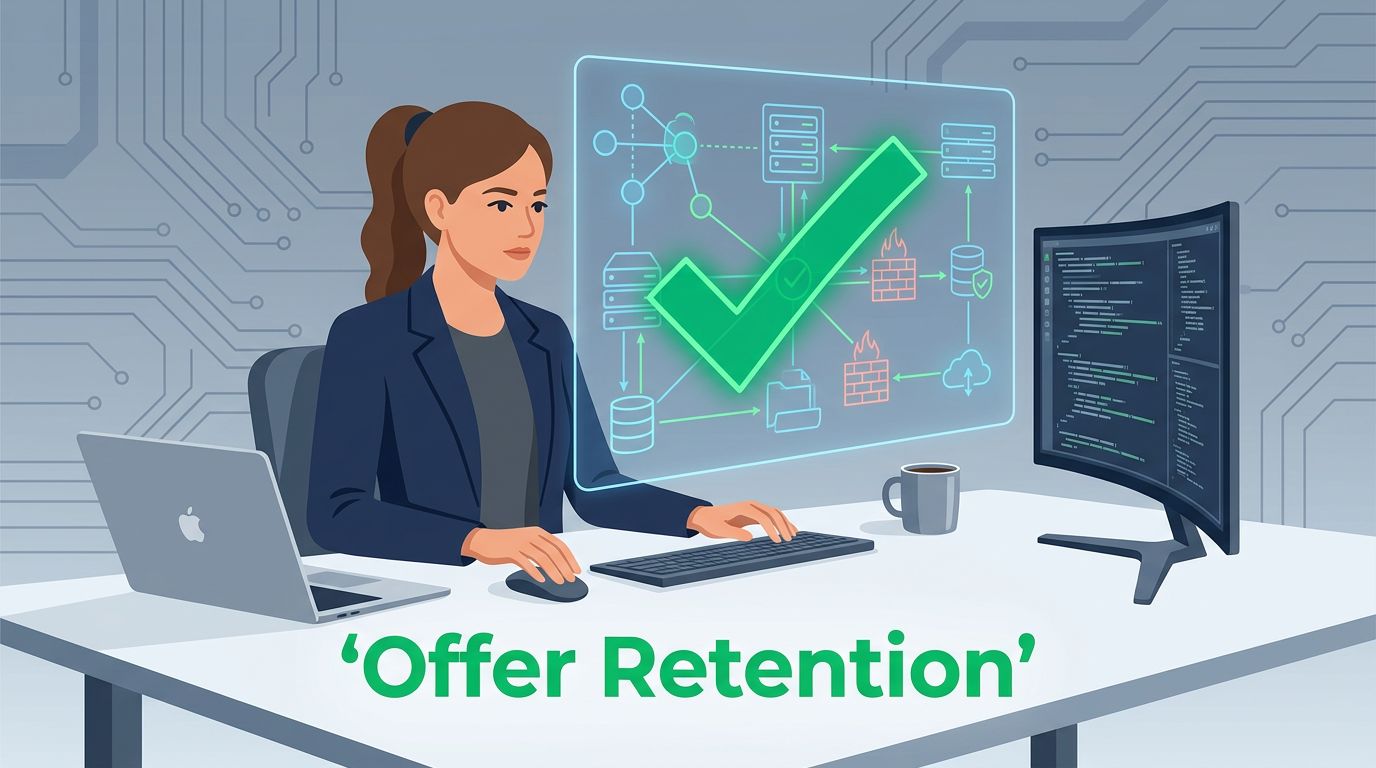
Cybersecurity candidates often go quiet after the offer lands, even when the role looks strong on paper. In 2026, that risk is higher because top people usually have more than one path open, and passive candidates need a clear reason to stay engaged.
A slow process, vague pay, or a messy clearance path can turn interest into silence. Reducing cybersecurity offer drop-off starts before the offer goes out, then continues until the candidate signs and starts.
Understand Why Cybersecurity Candidates Walk Away
The cyber talent market is still tight, but the deeper issue is fit and speed. ISC2’s 2026 workforce study points to a gap between the skills employers want and the people they can actually access. That gap gives strong candidates more choice, which means they can compare your process as much as your role.
Offer-stage drop-off often comes from friction that teams could have removed earlier. A late salary conversation, an unclear reporting line, or a clearance requirement that appears too late can kill momentum fast.
MRINetwork’s look at why candidates reject offers in 2026 shows the same pattern. The role is rarely the only issue. The process often creates doubt first.
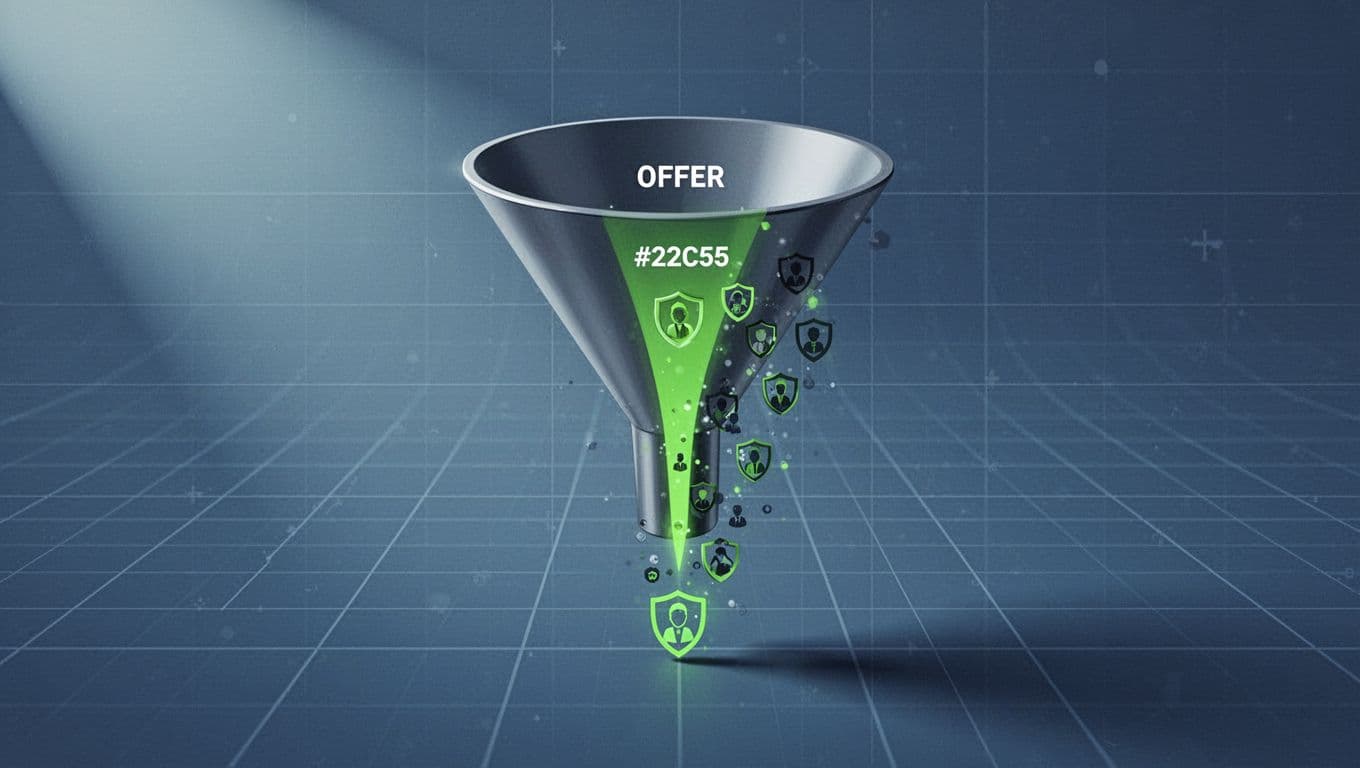
Build a Process That Feels Decisive
Candidates notice whether your team is aligned. If interviewers give mixed signals, the offer starts to feel negotiable before it even arrives.
Before interviews begin, lock in the basics:
- The approved salary range and bonus structure.
- The level, title, and reporting line.
- Any certification, security clearance, or travel requirements.
- The one person who owns the final decision.
That short list saves time later. It also keeps hiring managers from making promises they cannot keep.
Speed matters, but so does consistency. If interviews end on Thursday, the candidate should know when the offer decision will land. For senior cloud security, IAM, DevSecOps, and appsec roles, delays are expensive because those candidates are often in several processes at once.
Every extra day after the final interview gives another employer more room to win the candidate.
A structured interview flow helps here too. Best interview processes for technical roles is a good reference point because it keeps teams aligned around the same scorecard.
Earn Trust Before You Make the Offer
The best candidates do not buy a polished pitch. They buy clarity, honesty, and confidence in the people they will work with.
Let them meet the hiring manager, a future peer, or the security leader who owns the problem this role will solve. Short conversations beat glossy talk tracks. They also let candidates test whether the team feels stable.
Keep the job details concrete. Say what success looks like in the first 90 days. If the role touches incident response, identity, or cloud controls, name the pressure points. Strong candidates respect direct talk far more than vague praise.
A video call can help here because it creates a more human connection before the offer stage. It gives the candidate a feel for the team, the pace, and the tone of the role.

Clear communication also lowers the chance of last-minute doubt. If the candidate knows how the role works, who they report to, and what support looks like, the offer feels real instead of promotional.
Make Pay, Clearance, and Start Dates Clear
Compensation ambiguity is one of the fastest ways to lose trust. Give the candidate the base pay, bonus, and sign-on details in writing. If you plan to help with training or certification costs, say so early.
Cleared roles need even more care. ClearanceJobs tracks current clearance processing times, and those timelines can stretch well past the point where a candidate loses patience. If a role depends on a clearance, tell the candidate what is known, what is pending, and what could change the start date.
Certifications matter too. Many cybersecurity candidates care about the next credential as much as the current job. If you support renewal fees, exam prep, or training time, state that clearly. A candidate with CISSP, CISM, or cloud security credentials wants to know the company will invest in growth, not just utilization.
Once the offer goes out, keep the timeline visible. A simple offer packet with pay, benefits, start date, and any contingencies removes a lot of second-guessing. The faster you make the details easy to read, the less room there is for outside offers to distract them.
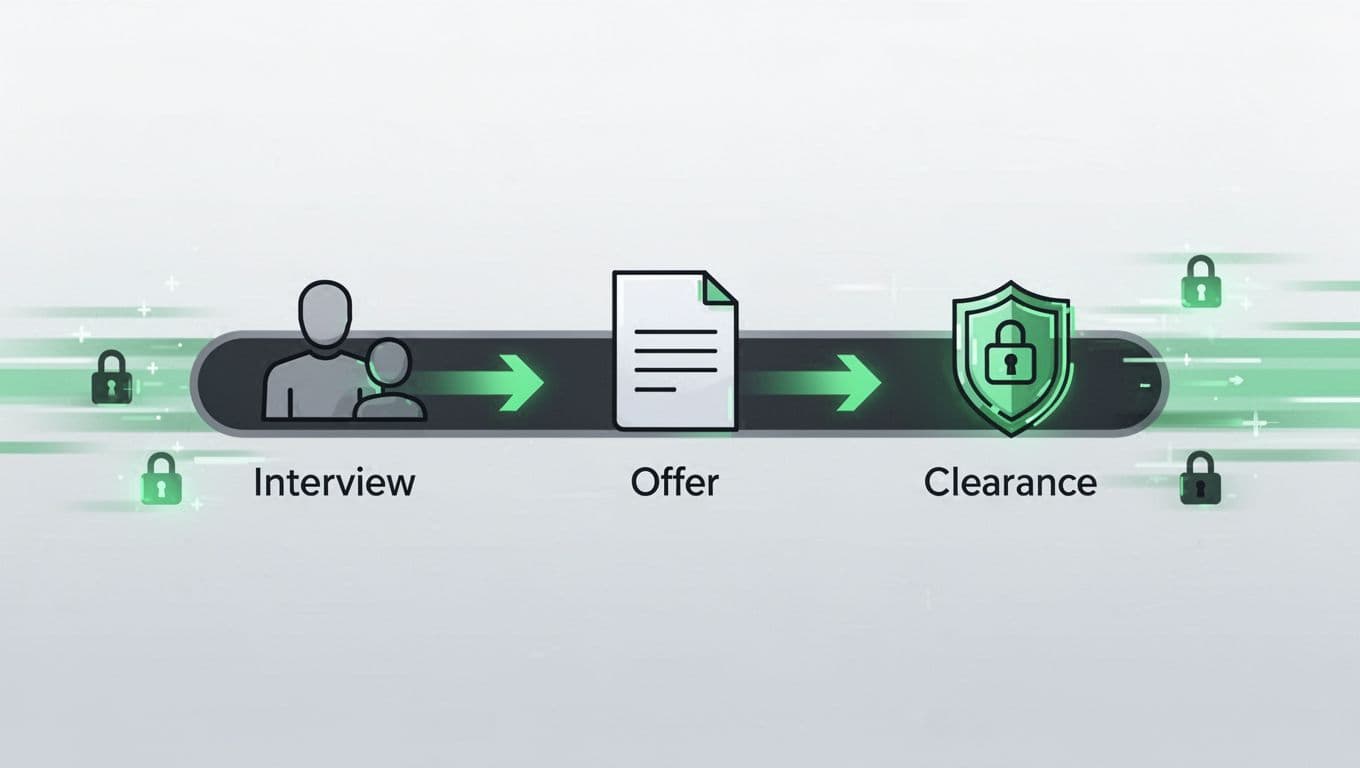
Keep Momentum After the Offer Is Out
The work is not done when the offer leaves your inbox. Assign one point of contact, set a response deadline, and send a short follow-up plan. Candidates should never wonder who owns the next step.
A simple pre-start update helps a lot. Share the first week’s agenda, key contacts, and any open items such as background checks, equipment, or access requests. If something is delayed, say so before the candidate chases you.
Weekly check-ins work better than a flood of messages. They keep the process calm and professional. They also give you one more chance to answer concerns before they turn into a decline.
If your team keeps losing candidates between verbal yes and final acceptance, Book a Discovery Call with Bud Consulting to review where the handoff is breaking down.
The Offer Stage Starts Early
The strongest fix for cybersecurity offer drop-off is simple. Treat the offer as the middle of the hiring process, not the end.
When your team sets expectations early, moves with purpose, and keeps communication plain, candidates feel respected. That matters even more in cybersecurity, where scarce talent, multiple offers, and clearance friction can change the outcome in a day.