table of contents
Your security team handles more alerts each week. Headcount doubles, but chaos follows. Engineers push back on vulnerability fixes. On-call shifts lead to burnout. Security team working agreements fix this. They set clear rules for handoffs and expectations. You gain alignment as your company scales.
These agreements cut friction between teams. They define who does what during incidents or reviews. Leaders at growing firms use them to keep operations smooth. Let’s walk through how to build yours.
Why Working Agreements Prevent Scaling Pain
Rapid growth strains security operations. New hires join without shared norms. Misunderstandings slow incident response. One scaling company saw response times double because no one agreed on escalation paths.
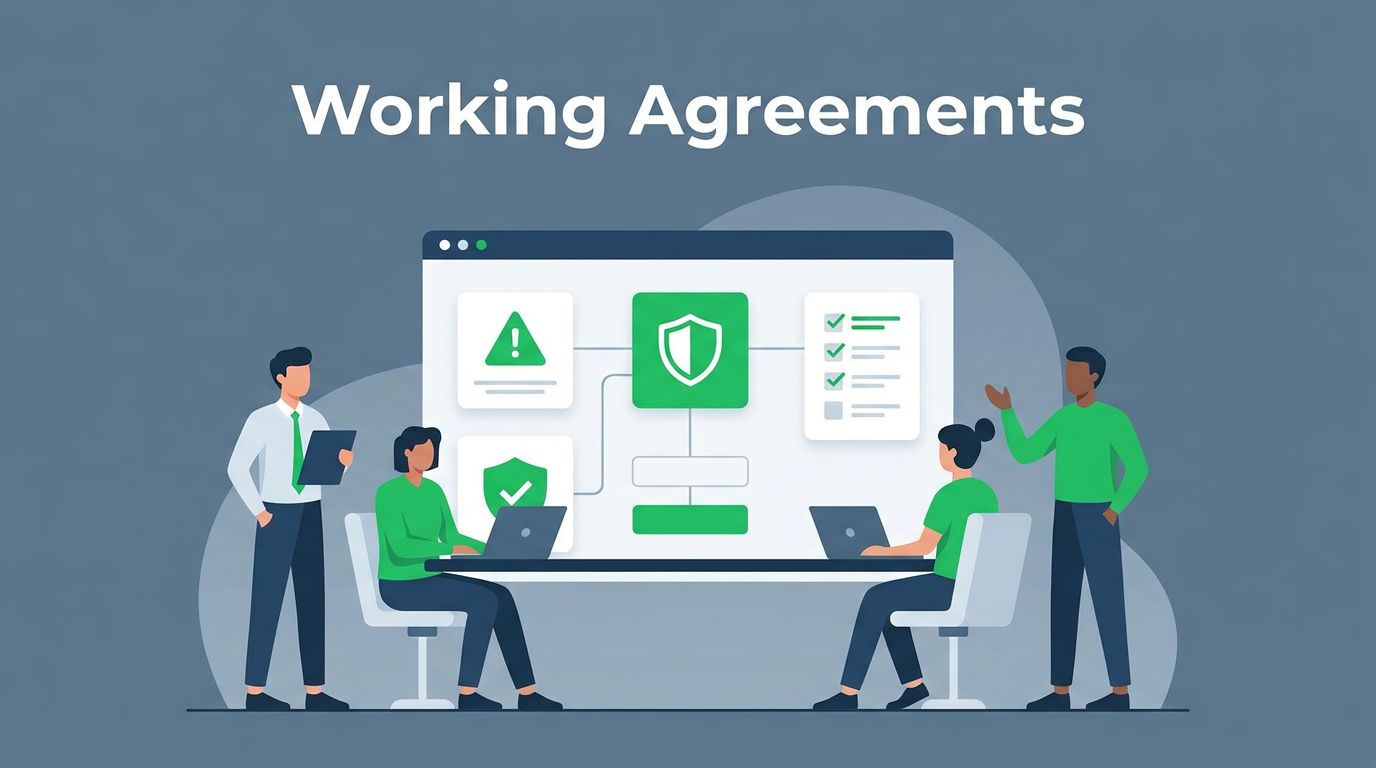
Working agreements act as a team’s playbook. They cover on-call rotations, vulnerability triage, and exception approvals. Everyone knows their role. Friction drops. For example, Atlassian’s playbook on working agreements shows how teams revisit norms during reorgs or hires. This keeps psychological safety high and onboarding fast.
You focus on threats, not debates. Cross-functional partners like engineering align faster. Results show up in metrics: shorter mean time to respond and fewer escalations.
Key Areas to Define First
Start with high-impact processes. Incident escalation tops the list. Define tiers: Tier 1 triages alerts, Tier 2 investigates, Tier 3 leads remediation. Set triggers like severity scores or time limits.
Next, vulnerability management handoffs. Security scans and prioritizes. Engineering remediates within SLAs, say 30 days for high risks. Track exceptions in a shared tool.
On-call expectations prevent burnout. Rotate shifts weekly. Mandate handovers with status updates. Service-level expectations bind teams: security notifies IT within 15 minutes of critical alerts.
Exception handling needs rules too. Legal reviews data access requests. Compliance signs off on risk acceptances. These areas reduce dropped balls as teams grow.
Steps to Draft Agreements
Gather your team for a focused session. Pick a neutral facilitator. Brainstorm pain points from recent incidents. List norms like “respond to pings in 15 minutes” or “document handoffs in Slack.”
Prioritize three to five rules per process. Make them measurable. Test with retrospectives: did the agreement speed up last week’s vuln fix?

Write in plain language. Post on a shared wiki. Assign owners to enforce. Review quarterly or after big changes.
Align with Cross-Functional Partners
Security doesn’t operate alone. Engineering owns code fixes. IT manages endpoints. Legal handles breaches. Build agreements across boundaries.
Meet with partners monthly. Co-create rules for handoffs. For incidents, security escalates to engineering after containment. Use RACI matrices to clarify: who is responsible, accountable, consulted, informed.
One firm cut escalation delays by 40% this way. This RACI example for vulnerability management shows scans as IT’s responsibility, with security accountable for prioritization.
Document shared SLAs. Security commits to weekly reports. Engineering agrees to patch timelines. This builds trust.

Sample Working Agreement Framework
Use this adaptable template. It focuses on two processes: incidents and vulnerabilities. Expand as needed.
| Process | Task | Security (R/A) | Engineering (R/A) | IT (R/A) | Legal/Compliance (R/A) |
|---|---|---|---|---|---|
| Incident Response | Triage Alert | R/A | I | C | I |
| Escalate (Severity 3+) | R | A | C | C | |
| Remediate | C | R/A | R | I | |
| Post-Mortem | R/A | C | I | I | |
| Vulnerability Mgmt | Scan & Prioritize | R/A | I | C | I |
| Remediate High Risk | C | R/A | R | C | |
| Risk Acceptance | A | R | I | R/A | |
| Validate Fix | R | C | A | I |
R = Responsible, A = Accountable, C = Consulted, I = Informed. Customize roles to your org.
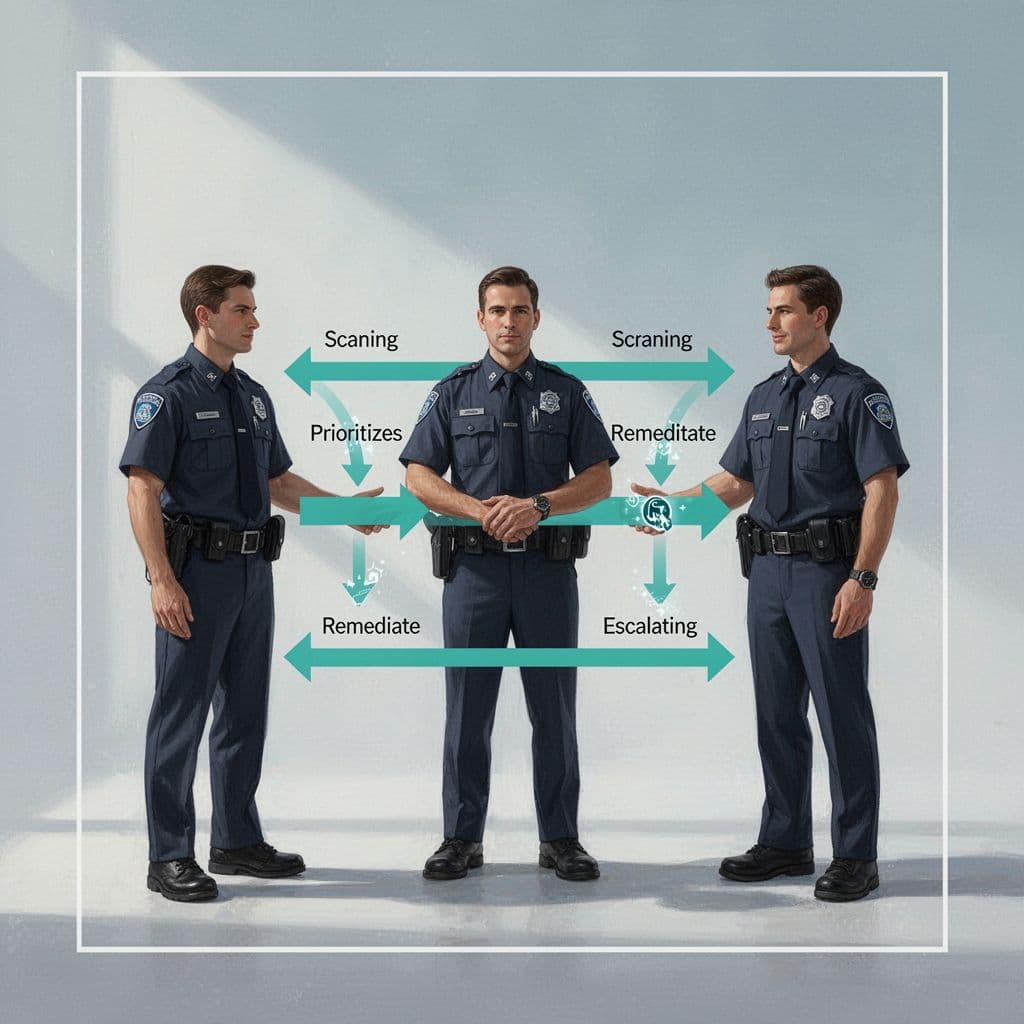
This framework, inspired by cybersecurity RACI practices, ensures no gaps.
Review and Adapt Regularly
Agreements stale fast in growth mode. Schedule reviews after hires, tool changes, or incidents. Survey the team: what’s working? Poll partners too.
Track metrics like escalation frequency or SLA compliance. Adjust based on data. One team shortened vuln SLAs after feedback.
Version control documents. Announce updates in standups. This keeps buy-in high.
Key Takeaways
Security team working agreements deliver clarity amid growth. They align roles in incidents, vulns, and handoffs. Start small, iterate often. Your operations run smoother, teams stay sane.
Friction fades. Responses speed up. Partners collaborate. Build yours today to match your pace.
If scaling your team feels overwhelming, Book a Discovery Call with Bud Consulting. They help source talent that fits these norms.
(Word count: 982)