table of contents
Third-party vendors cause 30% of data breaches today. That number climbs as attacks target suppliers more often. If your team relies on dozens of vendors, one weak link can halt operations or leak data.
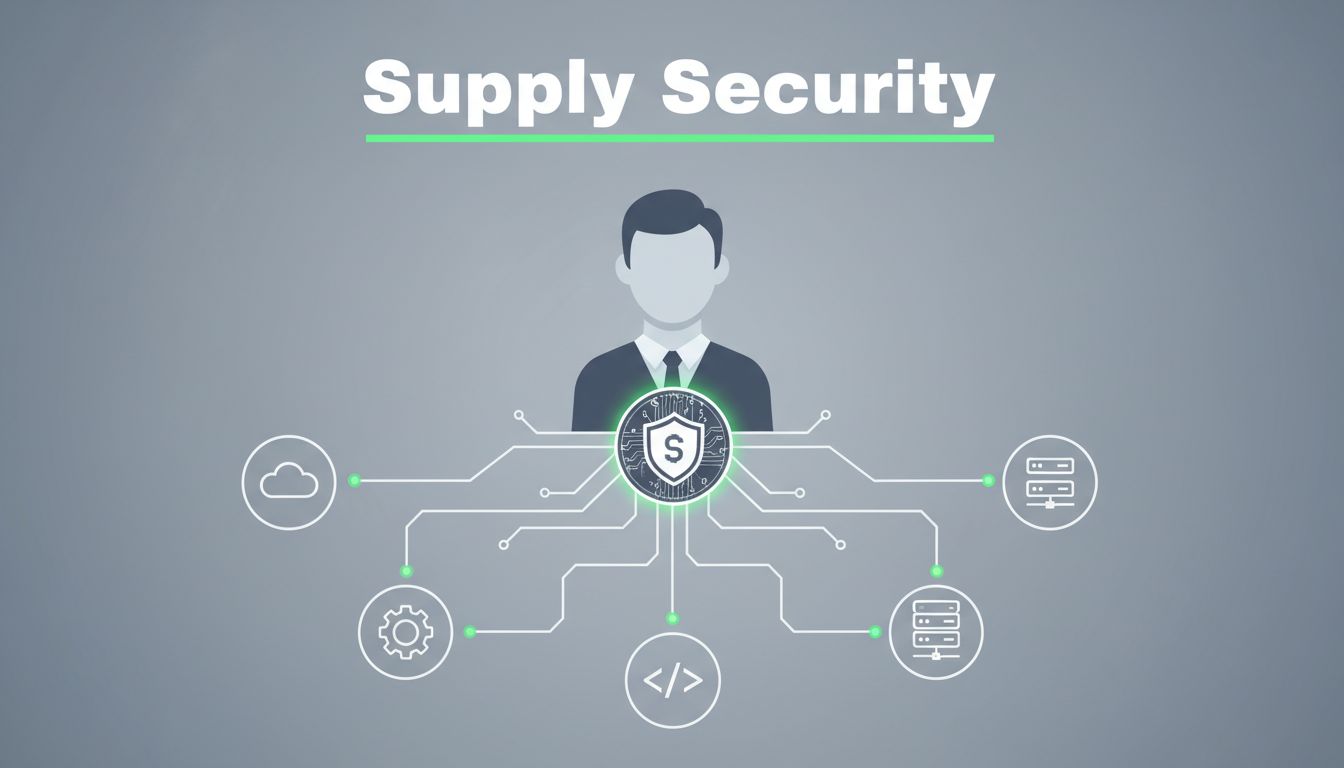
You need a supply chain security specialist to spot those risks early. This role bridges procurement, security, legal, and IT. It handles vendor checks, ongoing monitoring, and quick incident fixes.
Teams with heavy vendor use face rising threats like CI/CD pipeline hacks and stolen credentials. In 2026, 70% of leaders worry about these issues. Let’s break down how to hire the right person.
Why Vendor-Heavy Teams Need a Supply Chain Security Specialist in 2026
Supply chains grow complex with cloud tools and open-source code. A single vendor breach, like the SolarWinds attack, hits everyone downstream. Your team needs someone to map risks across suppliers.
This specialist focuses on third-party risks. They assess software supply chains for bad code or backdoors. Hardware issues, such as tampered devices, also fall under their watch.
Geopolitical shifts add pressure. Tariffs or sanctions disrupt vendors overnight. Boards demand quarterly reports on vendor risks and fixes.
Procurement pushes for speed, but security can’t wait. This hire aligns teams on due diligence and contracts. They ensure compliance with NIST 800-171 or CMMC standards.
Without this role, incidents cost downtime and fixes. Recent stats show 47% of supply chain breaches tie to credential theft. Act now to build resilience.
Daily Responsibilities of a Supply Chain Security Specialist
These pros spend days reviewing vendor postures. They run risk assessments on new suppliers. Tools like GIDEP help spot threats early.

They monitor continuously. Dashboards track changes in vendor security. If a supplier lags on patches, they flag it.
Collaboration takes time too. They join contract reviews with legal. Procurement gets input on security clauses like MFA rules.
Incident response is key. When a breach hits a vendor, they coordinate fixes. They work with IT on access limits and drills.
For example, they might analyze a supplier’s SBOM for vulnerabilities. Then they report to stakeholders. This keeps the chain secure.
Check Leidos’ senior supply chain security specialist job for real duties like C-SCRM plans.
Key Qualifications: Must-Haves vs. Nice-to-Haves
Start with must-haves. Candidates need 5+ years in cybersecurity or vendor risk. Experience in third-party assessments tops the list.
They know frameworks like NIST or ISO 27001. Hands-on with tools for SBOMs and risk scoring is essential. Cross-team work with procurement and legal proves they align stakeholders.

Nice-to-haves include CISA or CISSP certs. Skills in AI-driven threat detection help. Past roles at firms like Boeing’s supply chain cybersecurity team show depth.
| Qualification Type | Must-Have Examples | Nice-to-Have Examples |
|---|---|---|
| Experience | 5+ years vendor risk management | Led C-SCRM program |
| Skills | Risk assessments, SBOM analysis | AI threat tools |
| Knowledge | NIST, contract security reviews | CMMC Level 2 audits |
| Soft Skills | Stakeholder alignment | Incident command |
This table sorts priorities. Focus on must-haves first. They drive daily impact.
Sample Interview Questions to Test Candidates
Ask questions that reveal real skills. Probe third-party risk handling.

- Walk us through a vendor risk assessment you led. What tools did you use?
- How do you handle a software supply chain compromise in a key supplier?
- Describe coordinating an incident with procurement and legal.
- What metrics track continuous vendor monitoring?
- How do you push security into procurement contracts?
These draw from software supply chain security interview guides. Listen for specifics like least-privilege access or remediation plans.
Follow up with scenarios. Give a fake vendor report. Ask them to spot gaps.
Evaluation Criteria and Red Flags
Score on technical fit, 40%. Check risk assessment examples. Do they prioritize high-impact vendors?
Collaboration counts 30%. Probe stakeholder stories. They must influence without authority.
Experience in vendor-heavy setups gets 20%. Vendor ecosystems over 50 suppliers match best.
Culture fit is 10%. They thrive in fast-paced teams.
Red flags include vague answers on incidents. Or ignoring fourth-party risks. Over-focus on certs without practice signals trouble.
Use a rubric. Rate each criterion 1-5. Top scores advance.
Common Hiring Mistakes and How to Dodge Them
Vague job posts attract wrong fits. List exact needs like “software supply chain risk expertise.”
Long processes lose talent. Average fills take 42 days. Aim for 10-day decisions.
Wrong interviewers dilute focus. Pick daily collaborators: security lead, procurement rep.
Skip skills tests at your peril. Have candidates review a sample contract.
For vendor-heavy teams, third-party risk best practices stress clear staffing.
One firm noted bad recruiters send weak leads. Partner with specialists who know cybersecurity hires.
Conclusion
Hire a supply chain security specialist to cut third-party risks. Focus on must-haves like assessments and collaboration. Use targeted questions and quick evals.
Your vendor-heavy team gains visibility and speed. Breaches drop when monitoring and alignment click.
Ready to fill this gap? Book a Discovery Call with Bud Consulting for vetted talent.