table of contents
Scammers impersonated Microsoft more than any other brand in Q1 2026. They sent fake alerts about account reviews right after holidays. Your marketing team likely sees these tactics daily on social media or in inboxes.
These scams cost billions. In 2025 alone, Americans lost over $12.5 billion to impersonation fraud. Marketing pros handle customer outreach, so they spot fakes first. Yet many teams lack clear training to act.
You can change that. This guide shows practical steps to build awareness, workflows, and habits that keep your brand safe.
Grasp the Real Risks in 2026
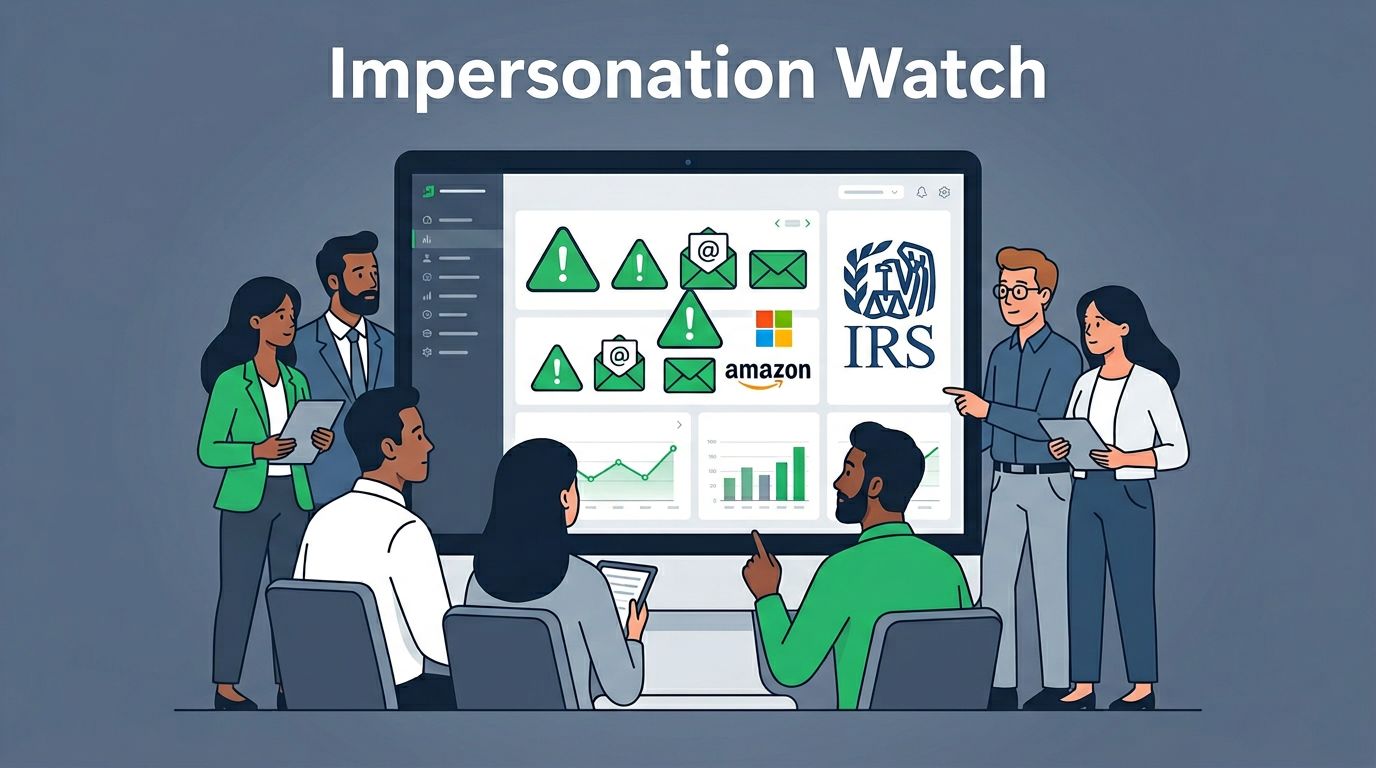
Brand impersonation scams spike with real events. Tax season brought fake IRS emails promising refunds. Amazon texts warned of product recalls that matched actual safety alerts.
AT&T jumped to the number two spot with texts about rewards or outages. Scammers timed them for billing cycles. USPS fakes used delivery notices during peak shipping.
Social platforms amplify this. Impostor accounts post support scams with verified-like badges. AI clones voices for calls or chatbots that sound official.
Marketing teams face these head-on. They monitor mentions and engage audiences. Without training, a missed fake spreads damage fast.
Check Cyble’s report on 2025 threats extending into 2026 for full data. It lists top targets and methods.
Your team needs context. Start sessions with these stats. Ask: Have you seen a fake post lately? Share examples to build urgency.
Spot Everyday Impersonation Tactics
Fakes mimic your brand perfectly at first glance. Logos match. Language urges quick action like “update now” or “claim reward.”
Look for URL mismatches. A post from @YourBrandSupport might link to yourbrand-support.com. Profiles lack history or post only promotions.
Texts push “service issues.” Emails claim account flags. In 2026, Google malvertising hid malware in “Mac fix” ads.
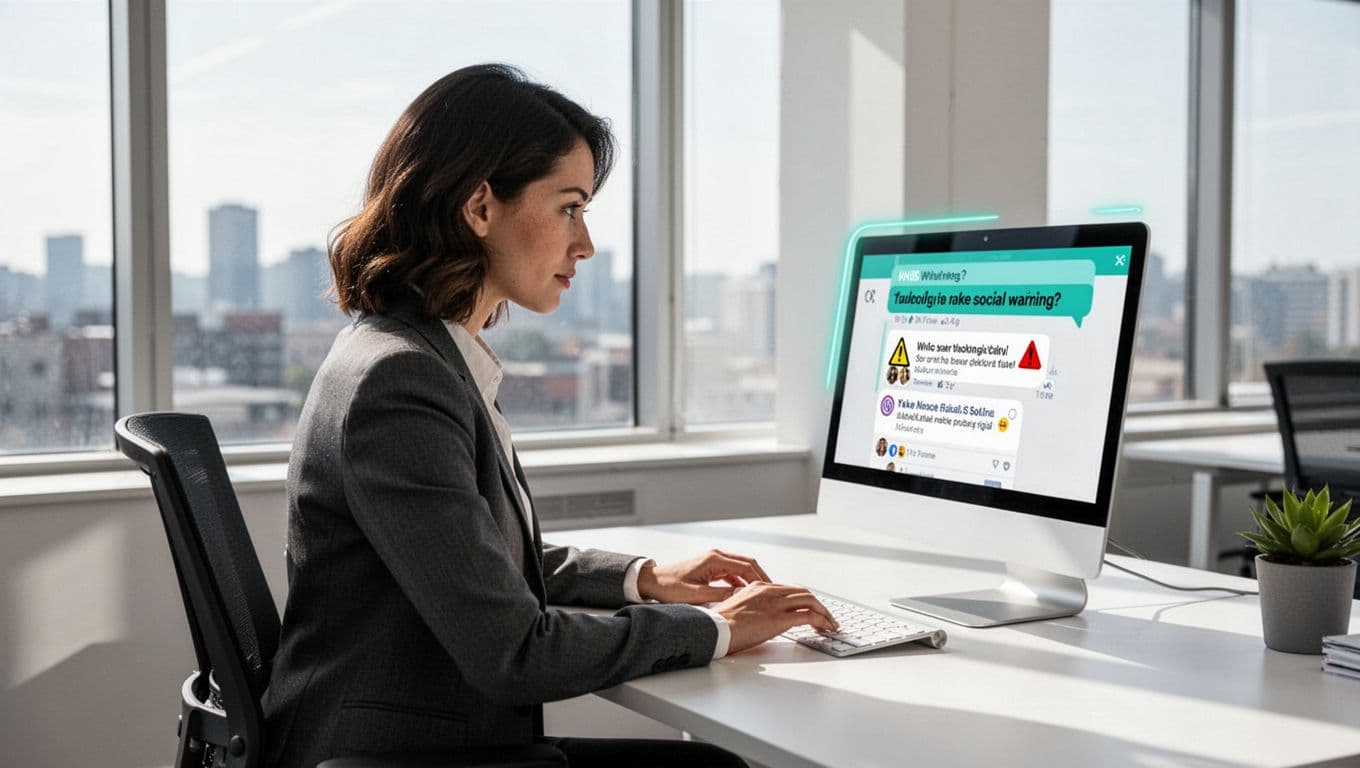
Train eyes on red flags:
- Urgent demands without context.
- Odd sender details, like a Gmail for support.
- Requests for logins or payments via DM.
Use Allure Security’s breakdown of impersonation mechanics to show how fakes bypass email filters. They hit external channels your team watches.
Practice spotting them. Forward suspect links to a shared Slack before clicking. This builds muscle memory.
Set Up Effective Team Training
Start with short, regular sessions. Weekly 15-minute huddles beat annual seminars. Focus on your channels: social, email, ads.
Use real examples. Pull Amazon recall texts or Microsoft alerts from FTC reports. Project them. Discuss: What gives it away?
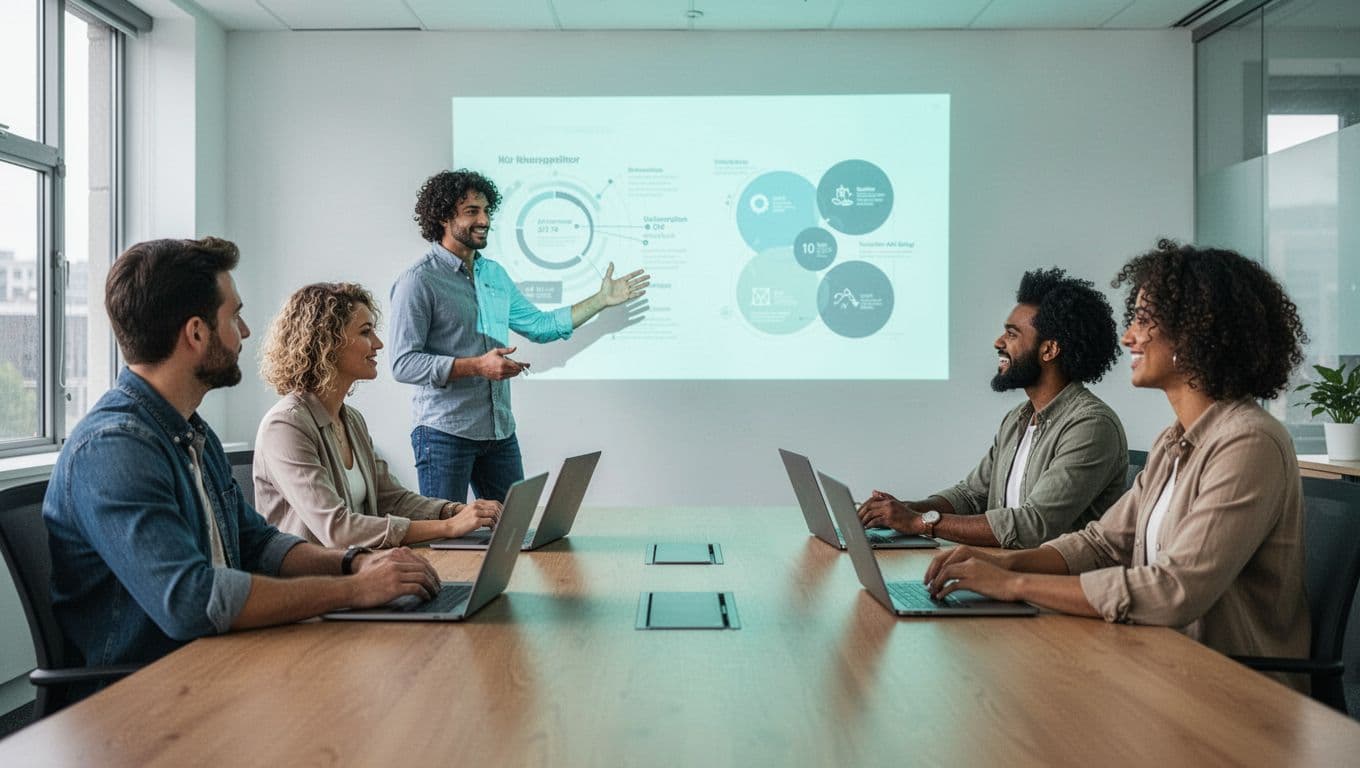
Build a program like this:
- Assess baseline knowledge. Quiz the team on past incidents.
- Teach verification steps. Always check via official channels.
- Role-play responses. Simulate a fake DM.
- Follow up quarterly. Test with mock alerts.
Incorporate CISA’s social media guidance via this 2026 playbook. It stresses MFA and monitoring.
Make it hands-on. Assign “scam scouts” to flag one suspect weekly. Reward quick catches. This turns training into habit.
Create Daily Checklists and Workflows
Daily routines prevent slips. Set a morning ritual: Scan brand mentions on social tools.
Use this checklist for posts or messages:
- Does the handle match exactly?
- Link to official site?
- Recent activity beyond sales?
- Sender verified through known contact?
For social, search your brand twice weekly. Ramp up during launches. CybelAngel recommends automated alerts for handles and logos.
Escalation path:
- Flag internally.
- Report to platform.
- Notify legal if needed.
Track in a shared doc. Review hits monthly. Tools like Doppel map campaigns, linking fakes across sites (see their vishing guide).
Integrate with ops. Finance teams verify requests via phone, not DMs. Cross-train to close gaps.
Track Progress and Handle Incidents
Measure training impact. Log detection time before and after. Aim for under 24 hours.
Run simulations. Send fake alerts. Time responses. Adjust based on misses.
For live incidents:
- Pause engagement.
- Document details.
- Report to FTC and platforms.
- Update team playbook.
Use BrandShield’s metrics for scam detection. Track recurrence and action speed.
If gaps persist, consider experts. Book a Discovery Call with Bud Consulting for tailored security culture advice.
Key Takeaways for Lasting Protection
Trained teams spot fakes fast. They use checklists and workflows to act.
Start small: Weekly huddles and daily scans. Real 2026 examples like Amazon texts make it stick.
Your brand stays safe when everyone verifies first. Build these habits now.
(Word count: 982)