table of contents
Mergers create excitement, but they also open doors for attackers. You inherit unknown systems, teams, and risks overnight. One overlooked vulnerability can derail the deal’s value.
Security leaders face chaos without a plan. Post-merger integration demands quick action on identity gaps, tool overlaps, and compliance drifts. This guide shows you how to build a checklist that stabilizes everything fast.
Start with a baseline assessment. That sets the stage for secure alignment.
Assess Both Companies’ Security Postures
Map out what you have from day one. Compare the acquiring and acquired firm’s setups side by side. Focus on endpoints, networks, and cloud environments first.
Run vulnerability scans across all assets. Check for unpatched software and exposed services. Document EDR or XDR coverage gaps right away. Teams often miss these because focus stays on business synergies.
Gather evidence of past incidents. Review logs for breaches in the last two years. Ask for proof of controls like patch management and logging. This reveals hidden weaknesses before they spread.
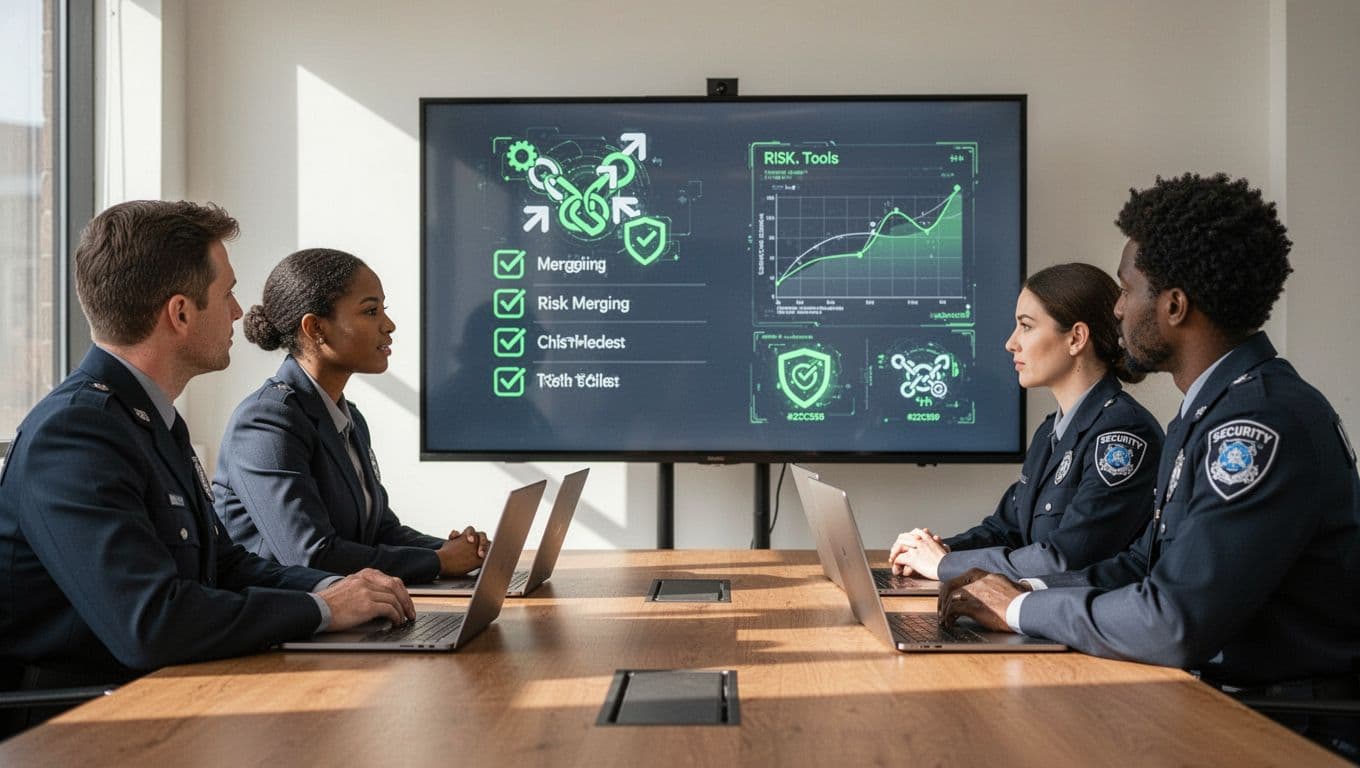
Your team kicks off the process here. They spot risks early and prioritize fixes. For example, confirm MFA enforcement everywhere. If one side lacks it, enforce it immediately to block easy credential theft.
Include supply chain checks too. List third-party vendors and their access levels. Attackers target these during transitions. Rate each posture on a simple scale: high, medium, low risk. This informs your next moves.
Align Identity and Access Management
Identity sits at the heart of integration. Mismatched directories lead to shadow accounts and over-privileges. Start by freezing all admin accounts from both sides.
Consolidate Active Directory or LDAP setups. Migrate users to a single source, like Entra ID or Okta. Enforce least privilege across the board. Remove dormant accounts within week one.

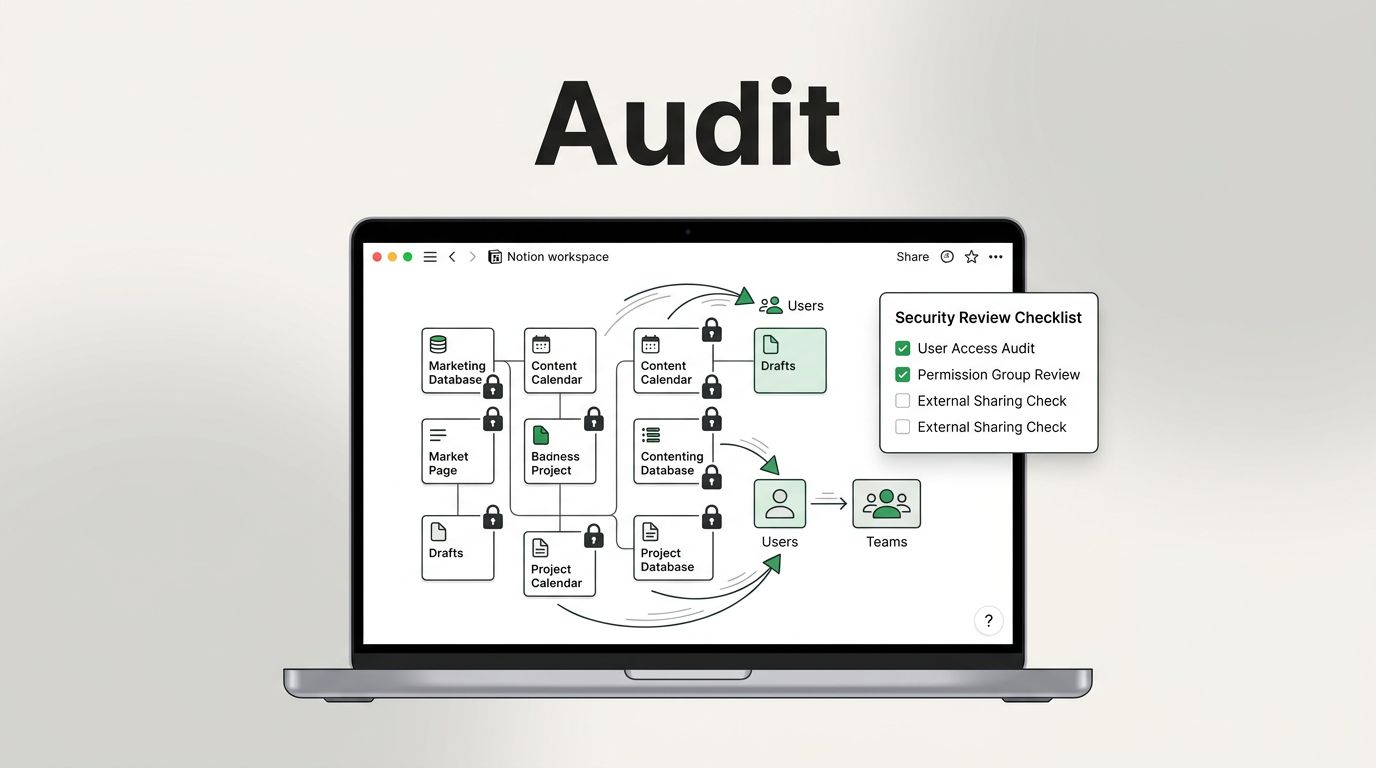
Visualize the merge like this diagram. Red spots show vulnerabilities; green means secure paths. Push zero trust principles now. Verify every access with MFA and just-in-time elevation.
For deeper steps on identity consolidation, check this IT leader’s playbook for identity management in M&A. It covers ongoing monitoring too. Test governance rules post-merge. Run access reviews quarterly to catch drifts.
Inventory Tools and Harmonize Policies
Overlapping tools waste money and create blind spots. List all security products: SIEM, firewalls, DLP. Decide keepers based on coverage and cost.
Pick one EDR/XDR platform. Standardize on it for endpoints and cloud. Decommission duplicates fast. This cuts noise and unifies alerts.
Policies must match too. Align acceptable use, data classification, and incident response plans. Train both teams on the new standards. For instance, set a common patch cadence: critical fixes in 48 hours.
Business continuity fits here. Test failover between sites. Ensure DR plans cover the combined footprint. Gaps here hit revenue hard.
Mitigate Inherited Vulnerabilities and Risks
Attackers watch for merger noise. Prioritize high-impact fixes from your assessment. Patch CVEs first, then segment networks.
Hunt for threats in logs. Use XDR for deep scans. Isolate risky segments with microsegmentation. This stops lateral movement.
Address regulatory needs like GDPR or SOX. Map data flows and classify sensitive info. Automate DLP rules to block leaks. Supply chain risks demand vendor audits. Cut off weak links.
See this M&A security playbook from due diligence to pen testing for pen test tips post-close. It stresses evidence-based controls.
Set Timelines and Assign Priorities
Time kills deals without structure. Break tasks into phases: stabilize days 1-30, consolidate 31-60, optimize 61-90.
High priority: identity freeze, MFA rollout, admin audits. Medium: tool cuts, policy alignment. Low: full pen tests after basics.
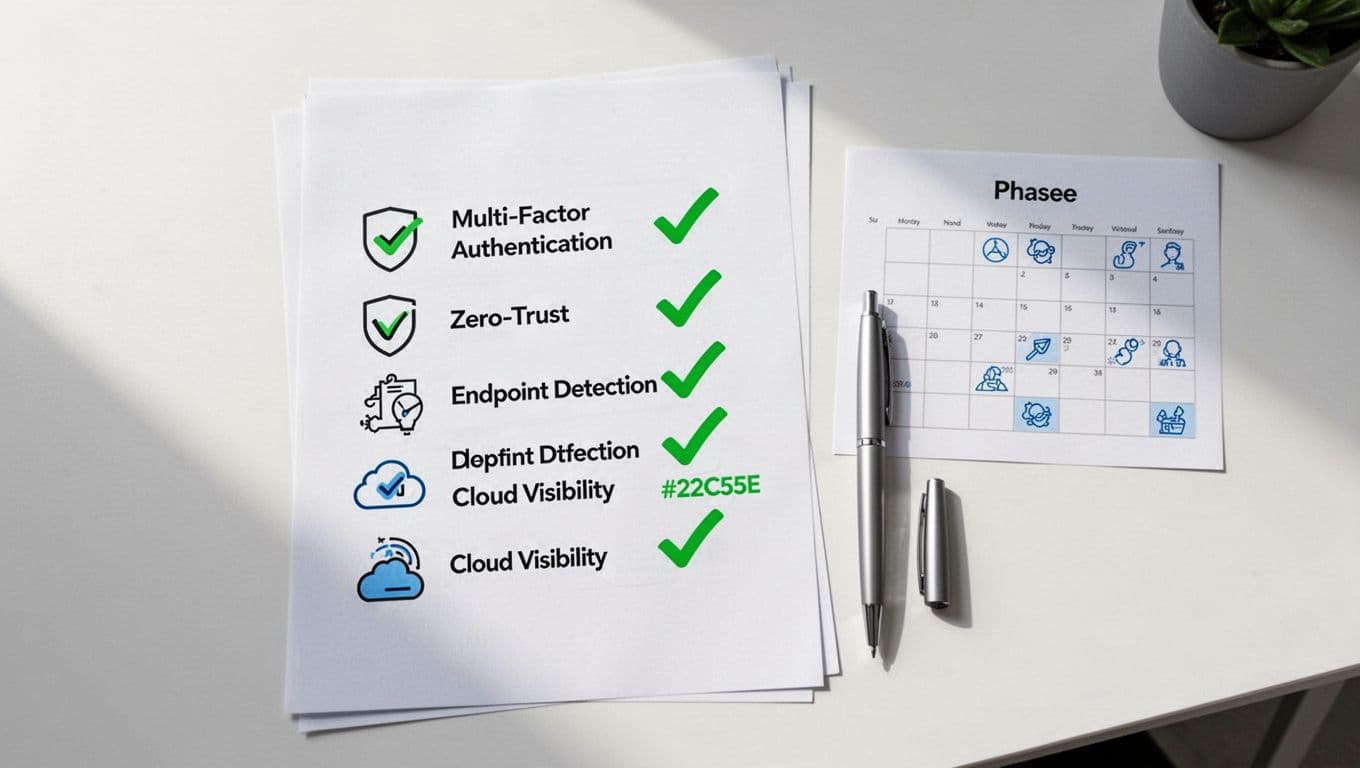
Use a visual like this to track progress. Assign owners and weekly check-ins. Adjust based on findings. This keeps momentum without burnout.
For a phased example, review this 90-day post-merger cybersecurity guide. It matches real-world paces.
Secure Compliance and Ongoing Monitoring
Compliance waits for no one. Unify reporting for SOC 2 or ISO 27001. Deploy SIEM for combined logs. Automate alerts on anomalies.
Cloud visibility comes next. Scan all providers for misconfigs. Enforce CASB policies. Test red team exercises quarterly.
Monitor business continuity with tabletop drills. Update insurance for new risks. This locks in resilience.
If gaps need expert IAM or cloud architects, Book a Discovery Call with Bud Consulting. They vet senior talent fast.
Secure Your Merger’s Future
A solid post-merger security integration checklist turns risks into strengths. You assess postures, align identities, cut tool waste, fix vulnerabilities, time actions right, and lock compliance.
Attack surfaces shrink when you act fast. Teams stay focused. Value holds.
Build yours today. Test it in the next deal. Your organization thanks you.
(Word count: 982)