table of contents
Threats move fast in 2026. Attackers use AI to tweak data quietly, and your team needs pipelines that spot those changes in real time. You know the pain: SOC alerts drown in noise, and threat analytics lag behind.
A security data engineer builds the data backbone for detection. They handle SIEM feeds, cloud logs, and ETL jobs so analysts focus on real risks. This guide gives you clear steps to hire one right.
You will find skills breakdowns, job description tips, interview questions, a scorecard, and pitfalls to skip.
Define What Your Threat Analytics Team Needs
Start with your setup. Does your SOC use Splunk, Elastic, or a cloud SIEM like Azure Sentinel? A security data engineer designs log pipelines that fit.
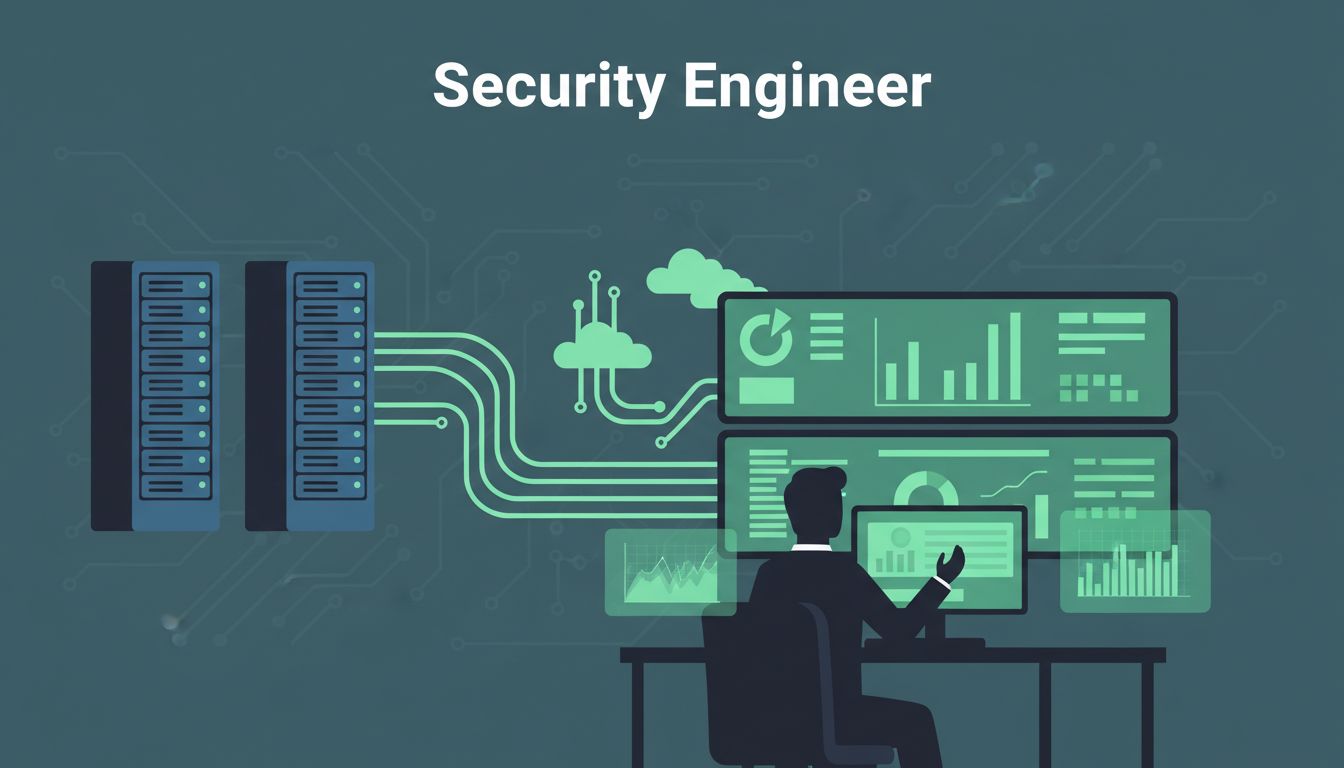
They ingest data from EDR, CloudTrail, and identity logs. Then they normalize it for queries. In 2026, real-time processing tops the list because batch jobs miss live attacks.
Think about scale. Enterprises pull terabytes daily from hybrid clouds. Engineers pick tools like Kafka for streaming or Airflow for orchestration.
Collaboration matters too. They work with detection engineers to map MITRE ATT&CK tactics to data schemas. Without this, hunts fail on bad data.
Check HADESS on SIEM operations for log priorities like audit trails and VPN events. It matches what top teams do.
Your hire must bridge data engineering and security. They ensure observability so pipelines stay healthy.
Key Skills: Must-Haves and Nice-to-Haves
Focus on proven builders. Must-haves keep threats visible; nice-to-haves add polish.
Must-haves:
- SIEM and log pipelines: Build ingestion from sources like endpoints, networks, and IAM. Normalize to schemas like ECS.
- ETL/ELT with Python and SQL: Handle JSON logs at scale. Use Pandas or Spark for transforms.
- Cloud platforms: AWS S3, GCP BigQuery, or Azure Data Lake. Set up secure access with IAM roles.
- Schema design and data quality: Partition tables, add quality checks, and dedupe events.
- Observability: Monitor pipelines with Prometheus or Datadog.
Nice-to-haves:
- Threat data sources: Integrate OSINT feeds or vulnerability scanners.
- Identity controls: Enforce least privilege in data lakes.

Python shines for automation, as noted in CyberSierra’s detection roadmap. Real-time trends push AI anomaly detection, so test for that.
Look for 3+ years in security data. General data engineers often lack threat context.
Craft a Job Description That Attracts Talent
Bad JDs scare off experts. Yours should speak to pain points like scaling SIEM under AI threats.
Lead with impact: “Build real-time pipelines for threat hunting that cut alert noise by 50%.” List must-haves first.
Sample structure:
| Section | Content Tips |
|---|---|
| Responsibilities | Ingest SIEM/EDR logs; design ETL for cloud data; ensure data quality for SOC queries. |
| Requirements | Python/SQL expert; cloud data experience; schema design skills. 3-5 years preferred. |
| Nice-to-Haves | Airflow orchestration; MITRE knowledge. |
| Perks | Remote options; SOC impact. |
Pull from CareerXperts’ senior data engineer JD for security platform examples.
Post on LinkedIn and cybersecurity boards. Budget $150K-$220K base for mid-senior roles in 2026.
Ask These Sample Interview Questions
Interviews test hands-on fit. Mix technical and scenario questions.
Start behavioral: “Walk us through a log pipeline you built for threat detection. What failed first?”
Technical probes:
- “How do you normalize CloudTrail and EDR logs into one schema?”
- “Design an ETL job for 10TB daily SIEM data. Handle failures.”
- “Python script to detect anomalies in auth logs?”
- “Set up observability for a Kafka-to-BigQuery pipeline.”
Scenario: “SOC reports slow hunts. Pipeline issue? Debug steps.”

Give a take-home: Build a simple pipeline from mock logs. Grade on quality and security.
These reveal if they grasp threat needs, per GitLab’s threat engineer handbook.
Build a Hiring Scorecard
Score candidates objectively. Share it with your team pre-interview.
| Skill Area | Weight | Score (0-10) | Notes |
|---|---|---|---|
| SIEM Pipelines | 25% | ||
| Python/SQL/ETL | 25% | ||
| Cloud Data | 20% | ||
| Data Quality/Schema | 15% | ||
| Security Context | 15% |
Total score over 80%? Advance. Tally post-interview.

This cuts bias. Adjust weights for your stack.
Dodge These Common Hiring Pitfalls
Hasty hires cost time. Skip generalists; they botch security nuances.
Mistake 1: Ignore SOC fit. Test collaboration stories.
Mistake 2: Overlook data security. Ask about encryption in transit.
Mistake 3: Lowball offers. 2026 demand pushes salaries up 15%.
Mistake 4: No trial task. Always validate code.
Remote works, but check cultural fit for cross-team work.
Final Steps to Secure Your Hire
Pick the engineer who nails pipelines and threats. They transform raw logs into hunt gold.
Right hire means faster detection and quieter SOCs. Start with your JD today.
Need vetted talent fast? Book a Discovery Call with Bud Consulting. We specialize in these roles.