table of contents
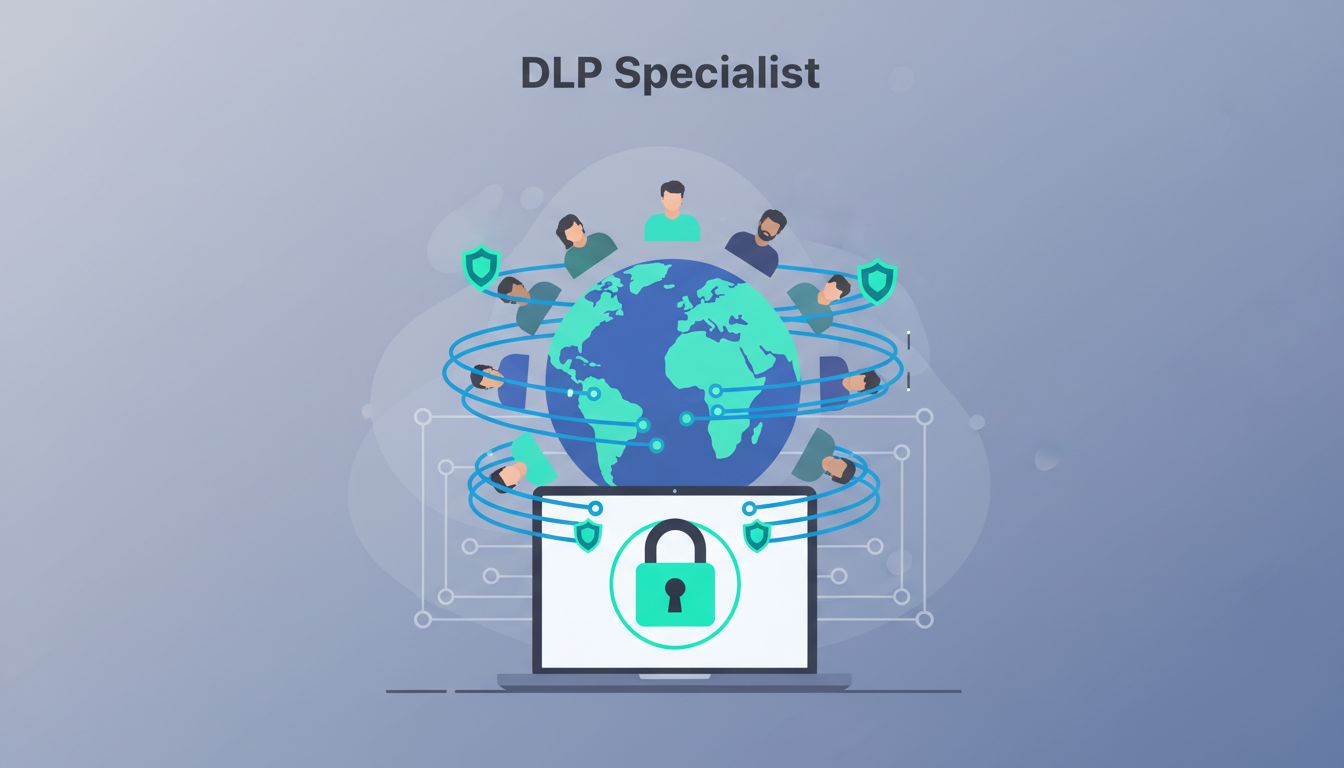
Remote teams face constant data leak threats. Employees grab files from personal laptops, share via unapproved apps, and work across borders. One slip can cost millions in fines or lost trust. You need a DLP specialist who spots these gaps fast.
Hiring one isn’t simple. Demand surges as breaches hit record highs in 2026. Yet skill shortages leave many teams exposed. This guide walks you through finding the right fit, from risks to checklists.
Remote Workforce Risks That Demand a DLP Expert
Remote work multiplies data exposure points. BYOD policies let staff use home devices, often without full monitoring. SaaS sprawl adds chaos as teams adopt tools like Slack or Notion outside IT view.
Shadow IT thrives here too. Workers bypass approved channels for quick shares. Cross-border access raises compliance headaches under GDPR or CCPA. Insider risks grow when stressed employees cut corners from home offices.
Endpoint monitoring lags on unmanaged devices. Public Wi-Fi invites interception. Recent trends show accidental leaks via AI tools top the list, per the 2026 Data Loss Prevention Report.
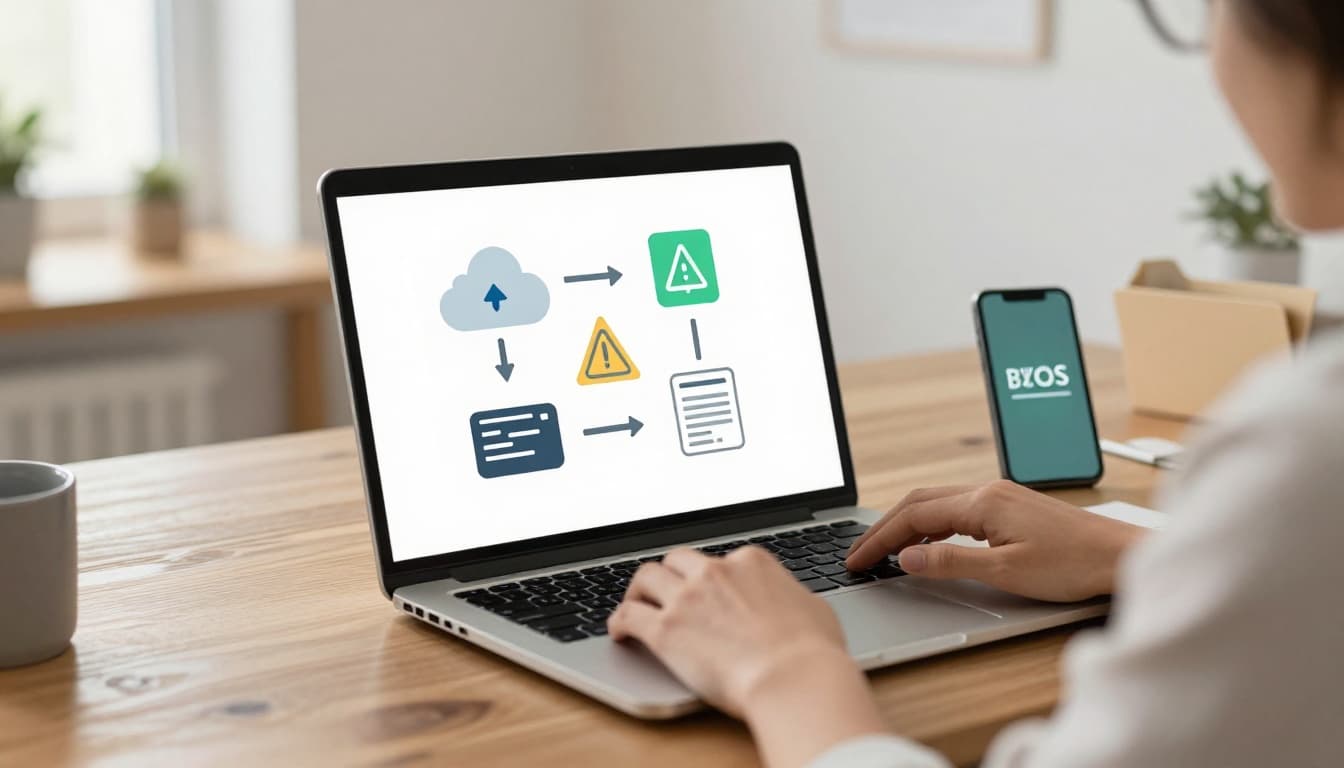
These issues demand pros skilled in modern tools. Microsoft Purview DLP shines for Microsoft 365 setups, blocking leaks in Teams and endpoints without heavy agents. Forcepoint handles behavioral analytics across clouds and browsers.
Hiring trends confirm this. Tech firms plan 61% more cybersecurity hires in 2026, with remote roles up 20%. Global pools help tap talent, but only 7% of leaders have full skills in house.
Skills Every DLP Specialist Must Have
Look for hands-on experience with endpoint and cloud DLP. They should tune policies to cut false positives, which plague 40% of alerts in remote setups. Proven work with tools like Microsoft Purview or Varonis fits distributed teams best.
Policy tuning matters most. A good specialist classifies data automatically, then sets rules for SaaS uploads or USB blocks. They collaborate on incident response, triaging alerts with SOC teams.
Stakeholder communication seals the deal. They explain risks to non-tech leaders and train users on safe habits. Seek 5+ years in remote environments, plus certifications like CISSP or vendor-specific ones.
Remote hiring favors those with cross-border compliance wins. They handle Entra ID for access controls and Intune for device policies. Check for DSPM experience to map data sprawl.
Screening Candidates Effectively
Start with resumes. Filter for keywords like “DLP policy tuning,” “false positive reduction,” and “remote endpoint monitoring.” Demand proof of SaaS integrations, such as blocking Shadow IT in Google Workspace.
Use a quick tech screen. Ask them to describe tuning a DLP rule for BYOD laptops. Top candidates reference ML-driven anomaly detection over rigid regex.
Video calls reveal fit. Probe remote-specific scenarios. Have they managed insider threats via user behavior analytics? Look for calm explainers who bridge IT and business.
Reference checks count. Past bosses should confirm incident response speed and compliance reporting. In 2026, 65% of hires fail on skills, so verify hands-on projects.
Sample Interview Questions to Assess DLP Skills
Dig deeper in interviews. Tailor questions to remote pains.
How do you reduce false positives in a high-volume remote environment? Expect answers on contextual rules, like user role plus file type.
Walk us through responding to a SaaS data exfil alert. They should cover quarantine, forensics, and stakeholder alerts.
Describe tuning DLP for GenAI tools like Copilot. Good responses highlight prompt redaction and browser monitoring.
What metrics track DLP success in distributed teams? Seek data volume blocked, alert accuracy, and user training impact.

These reveal real expertise. Roles like the remote DLP engineer at Agile Defense demand similar skills.
Hiring Checklist for Your DLP Specialist
Use this checklist to stay systematic.
| Step | Criteria | Red Flags |
|---|---|---|
| Resume Review | 5+ years DLP, remote tools like Purview/Forcepoint | No endpoint or cloud examples |
| Tech Screen | Tunes policies, cuts false positives 30%+ | Vague on SaaS/GenAI |
| Interview | Incident collab, comms samples | Can’t explain metrics |
| References | Compliance wins, stakeholder praise | Short tenures |
| Offer | Remote setup (tools, training budget) | Budget mismatches |
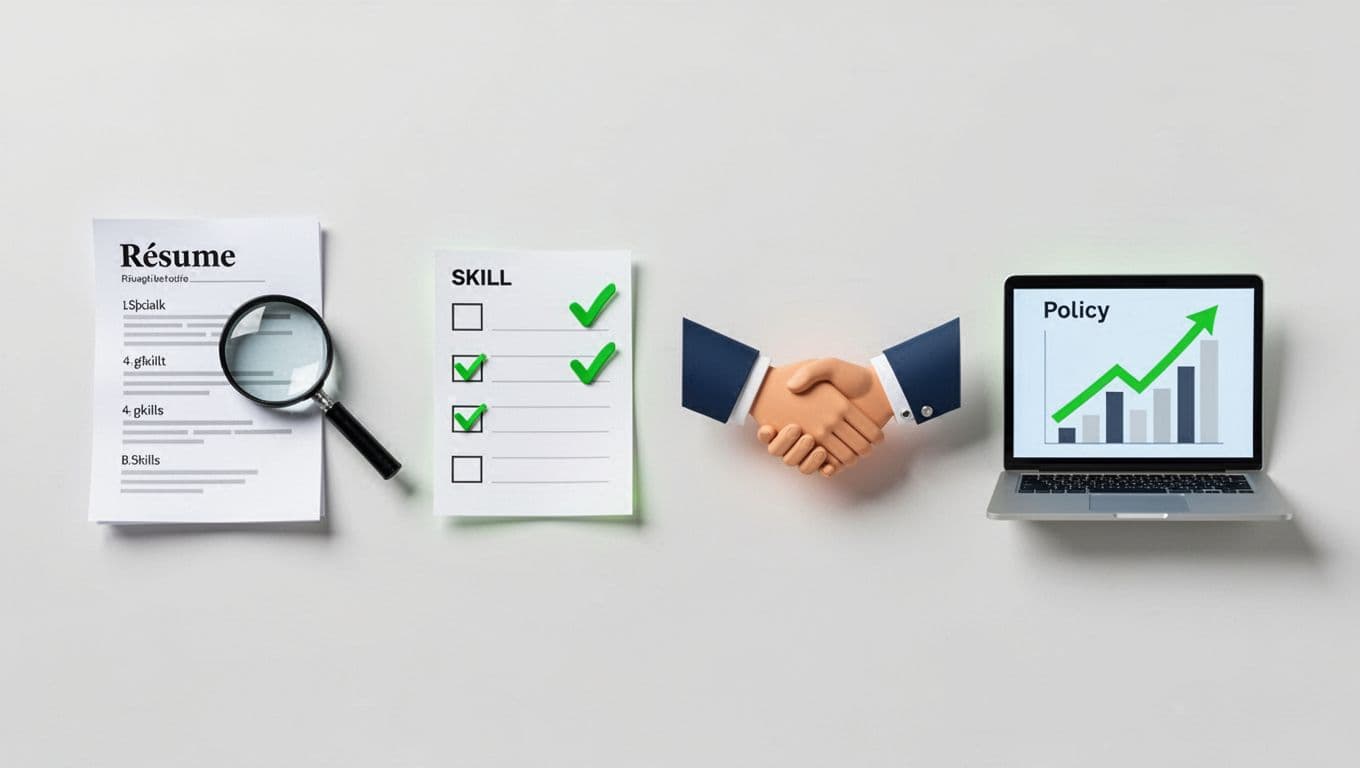
Onboard with shadow shifts. Test on your stack within week one.
Key Takeaways
Secure your remote data by hiring a DLP specialist who masters tuning and remote risks. Focus on proven skills in policy tweaks, false-positive fixes, and clear comms. This hire plugs gaps in BYOD, SaaS, and insider threats.
Teams that prioritize these steps build stronger defenses. Breaches cost $4.88 million on average; don’t wait.
Struggling to find talent? Book a Discovery Call with Bud Consulting for vetted matches.
(Word count: 982)