table of contents
Phishing emails tricked 32% more small businesses last year than in 2025. Ransomware shut down operations for thousands of SMBs. You run a tight ship with a small IT team, yet threats hit as hard as they do big companies.
Managed detection services fill that gap. They offer 24/7 eyes on your systems without hiring a full security crew. This guide walks you through picking one that fits your budget and needs.
Grasp the Core Terms Before You Buy
SMBs often mix up terms like MDR, EDR, and XDR. Each serves a role, but they differ in scope and management.
EDR focuses on endpoints like laptops and servers. It spots threats there and helps your team respond. You manage it yourself, which suits bigger IT staffs but overwhelms lean teams.
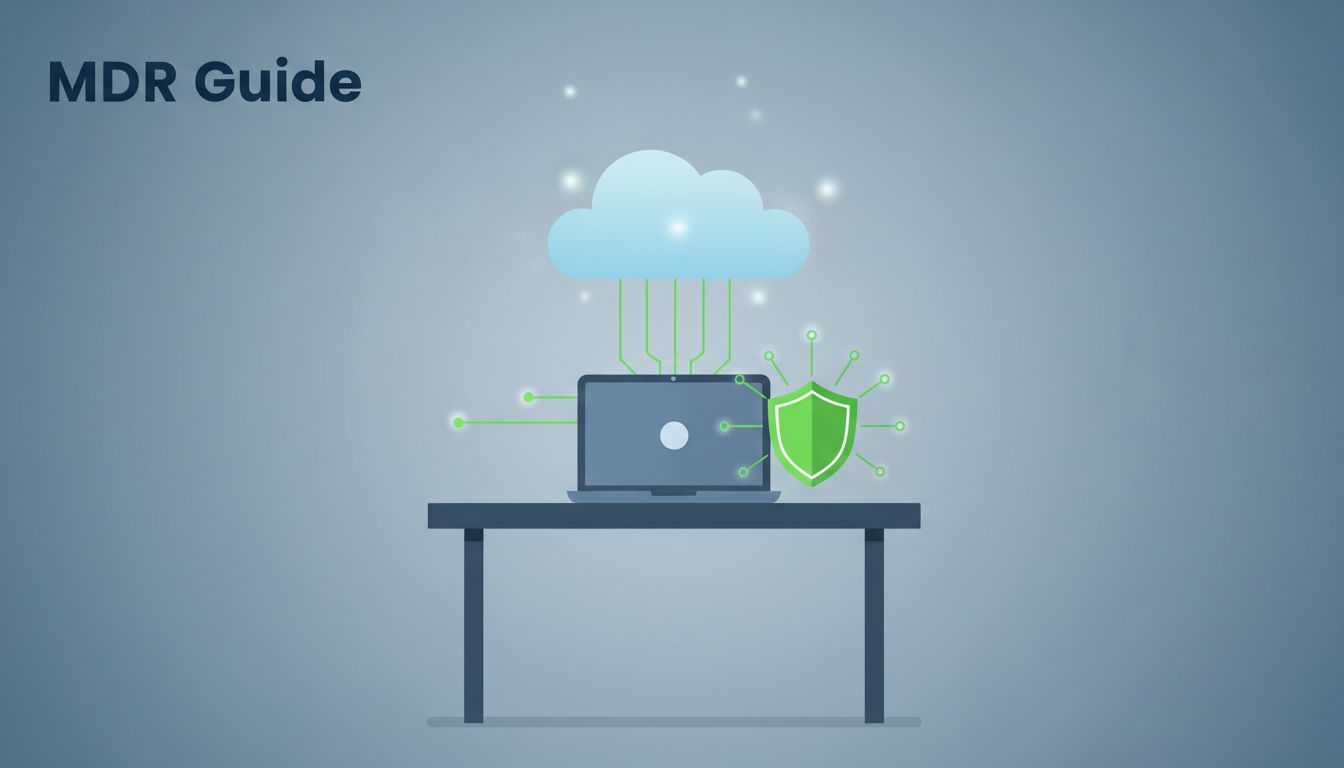
MDR, or managed detection and response, goes further. Providers monitor endpoints and beyond. They hunt threats, contain attacks, and fix issues for you. It’s hands-off relief for SMBs short on experts. For a clear breakdown of MDR versus EDR and XDR, check this resource.
XDR pulls data from endpoints, networks, cloud, and identity tools. It correlates alerts across everything. Like EDR, you often run it in-house or with light support.
Then there’s MSSP, which handles broad IT security like firewalls and compliance. SOC-as-a-service mimics a full security operations center. It triages alerts and escalates, but may not respond directly.
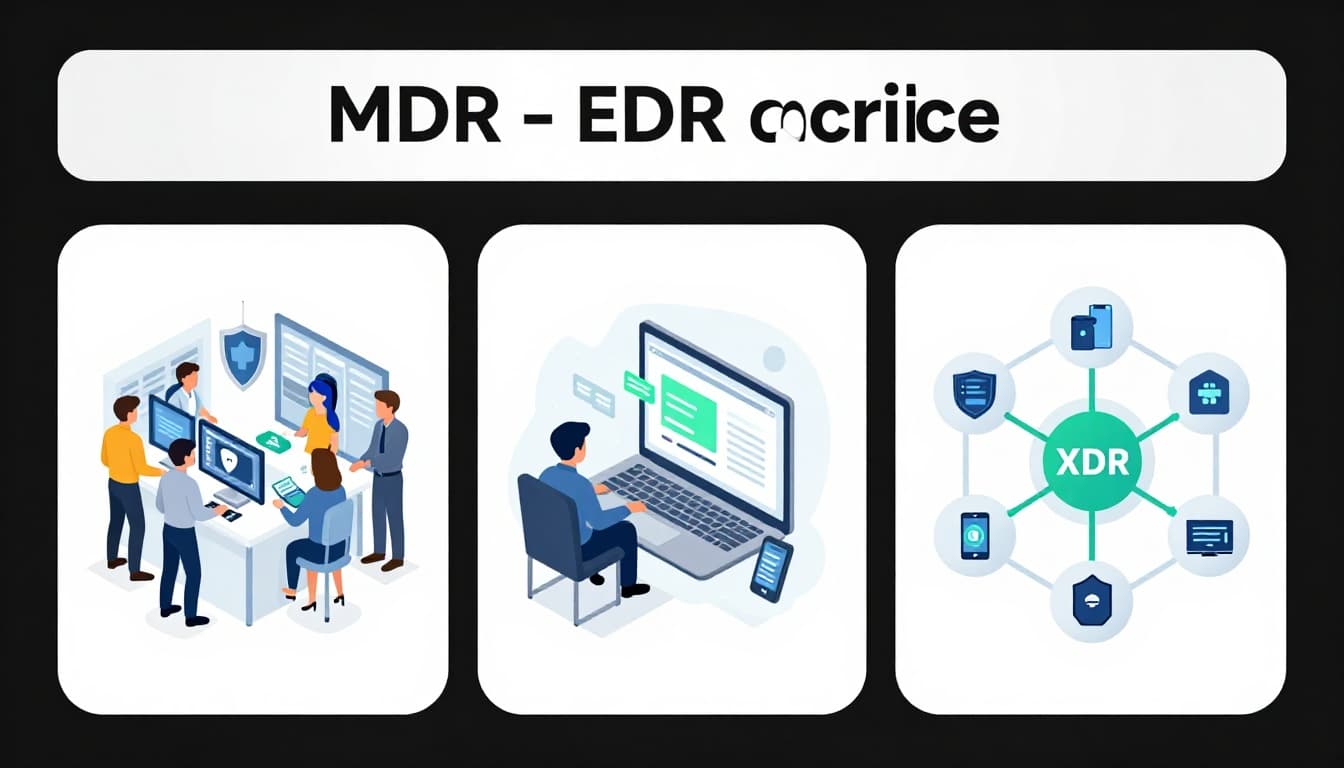
MDR stands out for SMBs because it pairs tech with human response. You get enterprise-grade protection without the overhead. In contrast, EDR alone leaves alerts for your team to chase.
Why Your SMB Can’t Ignore These Services Now
Hackers scan thousands of targets with AI tools in 2026. They hit SMBs first because defenses lag. Phishing leads breaches; one bad click exposes customer data or halts payroll.
Ransomware follows close. It encrypts files and demands cash. Weak monitoring lets attacks fester. Unpatched software ranks third, per recent reports.
Your lean team juggles daily fires. Compliance adds pressure, like GDPR fines or HIPAA audits. Fast deployment matters too; you need coverage yesterday.
Managed detection services change that. They watch 24/7, spot phishing in real time, and stop ransomware before lockdown. Providers like those at TeamViewer extend your IT staff affordably.
Result? Fewer downtime days and lower recovery costs. SMBs using MDR report 50% faster threat stops.
Build Your Evaluation Checklist
Start with a simple list of must-haves. Focus on what matches SMB limits: quick setup, Microsoft 365 ties, and clear costs.
Here’s a table of top criteria:
| Criteria | What to Check For | Why It Matters for SMBs |
|---|---|---|
| Detection Coverage | Endpoints, cloud apps, email | Catches phishing across tools you use |
| Response Capabilities | Active containment, not just alerts | Stops attacks; no extra work for you |
| 24/7 Monitoring | Global team, no gaps | Threats don’t sleep |
| Onboarding Process | Under 2 weeks, minimal setup | Fits tight schedules |
| Integrations | M365, endpoints, AWS/Google Cloud | Works with your stack |
| Escalation & SLAs | Defined handoffs, 15-min response | Clear accountability |
| Reporting | Weekly dashboards, plain English | Easy to share with owners |
| Pricing Model | Per-user or endpoint, no surprises | Predictable budgets |
| Contract Flexibility | Month-to-month options | Scale as you grow |
| SMB Experience | Case studies from similar firms | Proves they get your world |
Test each. Ask for a demo showing real alerts.

This checklist keeps evaluations objective. Prioritize response over fancy detection; basics stop most threats.
Questions That Reveal the Real Deal
Probe vendors with pointed questions. “How do you handle a phishing alert at 3 a.m.?” Good answers detail steps: isolate, notify you, clean up.
Ask: “What’s your average response time?” Aim under 15 minutes. “Do you integrate with our M365?” No seamless fit means extra hassle.
“How many SMBs like ours do you serve?” Seek proof via Bellator’s small business approach. “Walk us through onboarding.” Short timelines win.
“Explain your SLAs for uptime and false positives.” Vague replies signal trouble. These questions uncover fit fast.
Watch for These Red Flags
Some providers promise the moon but deliver alerts only. That’s EDR, not full MDR. You end up responding yourself.
Vague ownership hurts too. If they say “we escalate,” but skip who acts next, pass. Hidden fees pile on: setup costs or per-incident charges.
Long contracts lock you in. Check for easy exits. Empty demos without your data raise doubts.

Steer clear. True MDR partners own the fight.
Key Takeaways
Phishing and ransomware target SMBs daily. Managed detection services provide the 24/7 muscle your team lacks. Use the checklist to score providers on coverage, response, and fit.
Pick one with proven SMB wins and clear SLAs. You’ll cut risks without breaking the bank.
Ready to strengthen your defenses? Book a Discovery Call with Bud Consulting for tailored advice.
(Word count: 982)