table of contents
A major cyber breach hits your company at 2 a.m. Teams scramble, but chaos reigns without clear direction. You lose hours, maybe days, and trust from customers.
This scenario plays out too often for businesses facing disruptions like natural disasters, supply chain failures, or security incidents. An incident commander steps in to lead the response, set priorities, and restore order fast. They follow proven systems like the Incident Command System (ICS) or National Incident Management System (NIMS) to coordinate efforts.
You need practical steps to hire one who fits your organization. Let’s break it down.
Understand the Incident Commander Role
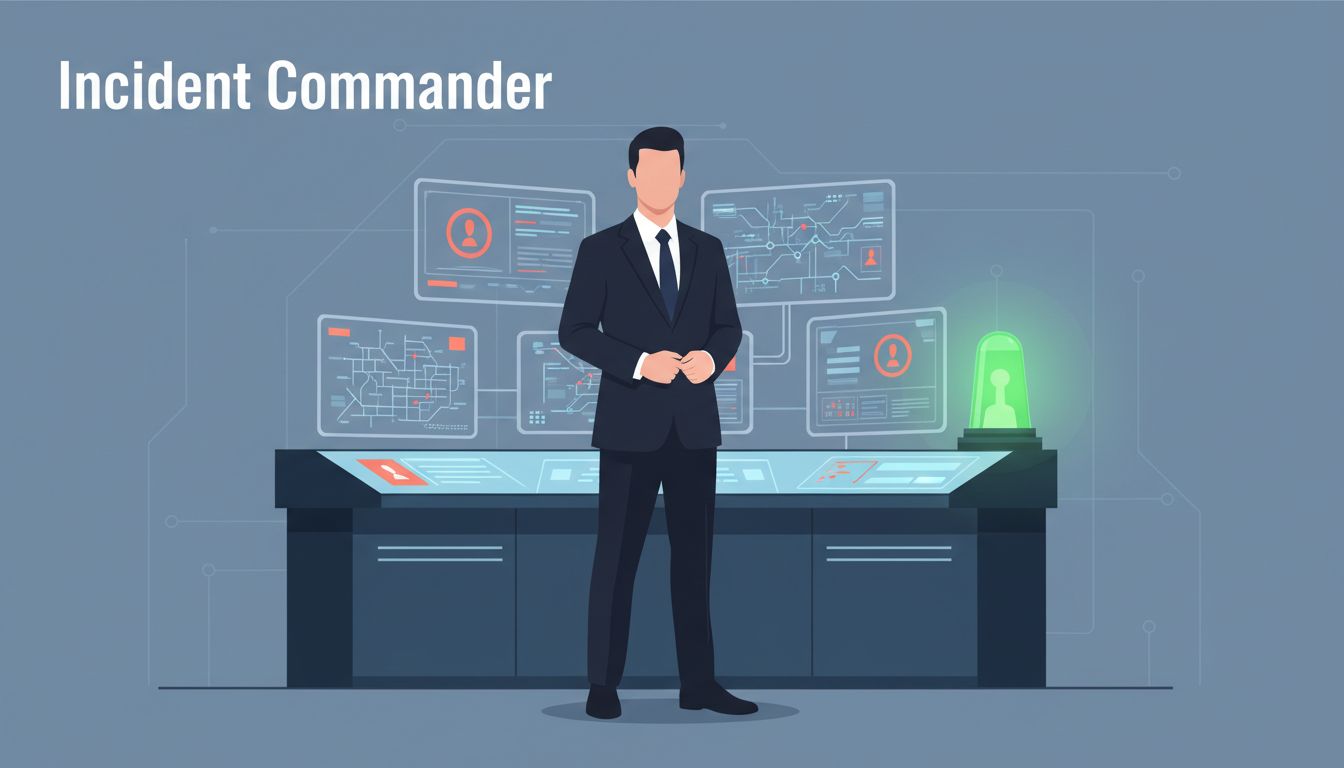
An incident commander takes charge during crises. They manage the entire response, from assessing the situation to assigning tasks and briefing stakeholders.
In ICS or NIMS frameworks, this person sits at the top. They decide objectives, allocate resources, and ensure safety. Private companies adapt these for cyber events or operational breakdowns. Public agencies use them for emergencies like wildfires.
Expect them to handle high stress. They communicate clearly, make quick decisions, and adapt plans as facts emerge. For example, during a ransomware attack, they rally IT, legal, and PR teams without overlap.
Requirements differ by industry. Tech firms prioritize cyber experience; manufacturing focuses on physical safety. Always check your jurisdiction’s rules or internal policies first.
Key Qualifications to Look For
Focus on proven skills over credentials alone. Look for experience in real incidents, not just training.
Start with core traits:
- Leadership under pressure: Handled Type 1 or Type 2 incidents per NIMS standards.
- ICS/NIMS knowledge: Completed position task books (PTBs) for their level. See FEMA’s NQS guidelines for Incident Commander qualifications for details.
- Decision-making: 5+ years directing multi-agency or cross-team responses.
Use this checklist for resumes:
- Completed NIMS ICS-100, -200, -300, -400 courses.
- Served as incident commander on 3+ major events.
- Experience with after-action reviews and improvement plans.
- Strong in tools like incident management software (e.g., FireHydrant).
- Clean record; no major failures in past roles.

Certifications help, but verify them. NWCG outlines Type 1 Incident Commander requirements, which align with complex private-sector needs. Ask for references from past incidents.
Tailor to your needs. Cyber-focused? Seek CIRT experience. Manufacturing? Prioritize hazmat knowledge.
Where to Find Top Candidates
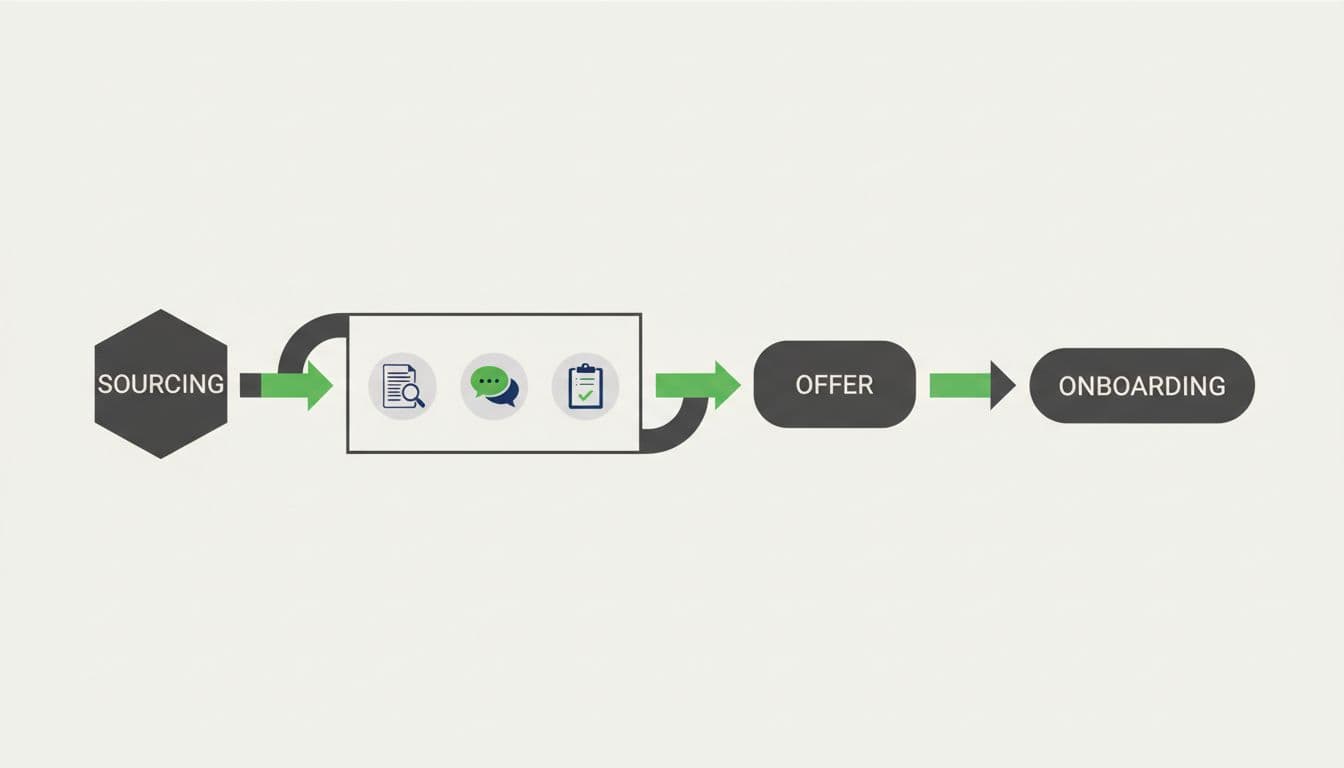
Sourcing talent takes targeted effort. Don’t rely on general job boards alone.
Post on niche sites like LinkedIn groups for emergency managers or cybersecurity pros. Search for “ICS qualified incident commander” or “NIMS Type 2 IC.”
Consider these channels:
- Government rosters via FEMA or state emergency offices.
- Industry networks like Firehouse’s advice on selecting commanders.
- Recruiters specializing in security and risk roles.
For hypergrowth firms, hire when incidents spike, as noted in FireHydrant’s guide on timing. Partner with firms like Bud Consulting for vetted seniors. Book a Discovery Call with Bud Consulting to discuss your gaps.
Screen early. Request PTB evidence and incident summaries.
The Interview Process: Essential Questions
Interviews reveal true fit. Use behavioral and situational questions to test skills.
Structure it in stages: phone screen, panel interview, simulation.
Key questions include:
- Describe a time you commanded a multi-hour outage. What went wrong, and how did you fix it?
- How do you establish command in chaos? Walk us through your first 30 minutes.
- Give an example of resolving team conflict during a live incident.
- How do you handle executive pressure while protecting responders?

Probe NIMS application. Ask: “How would you staff a Type 3 incident for our cyber team?” Reference sample Incident Commander interview questions for more.
Observe body language. Do they stay calm? Simulate a scenario; grade on clarity and priorities.
Evaluate Candidates and Seal the Deal
Score responses against criteria. Use a rubric: 40% experience, 30% leadership, 20% ICS knowledge, 10% cultural fit.
Check references deeply. Ask past commanders: “Would you deploy with them again?”
Offer competitive pay. Incident commanders earn $120K-$200K base, plus bonuses for on-call. Include training budgets for recerts.
Onboard with shadowing. Pair them with your team on drills. Set 90-day goals like policy updates.
Note variations: Utilities may need PUC compliance; tech firms, SOC integration.
Conclusion
Hiring an incident commander boils down to matching real experience with your risks. Prioritize NIMS-qualified leaders who thrive in stress and coordinate seamlessly.
You now have checklists, questions, and sources to build a strong hire. Act soon; the next crisis waits for no one. Your team will respond faster and smarter as a result.