table of contents
You spot suspicious process chains on a Windows endpoint. Linux servers show odd network calls. macOS logs hint at persistence. But alerts flood your SOC. How do you turn raw telemetry into reliable detections?
Endpoint detection engineers face this daily in enterprise setups. You build rules that catch threats without drowning teams in noise. This checklist breaks down the endpoint detection engineer skills you need. It covers analysis, queries, mapping, tuning, scripting, and more.
Start with telemetry basics. Then build from there.
Master Endpoint Telemetry Across Platforms
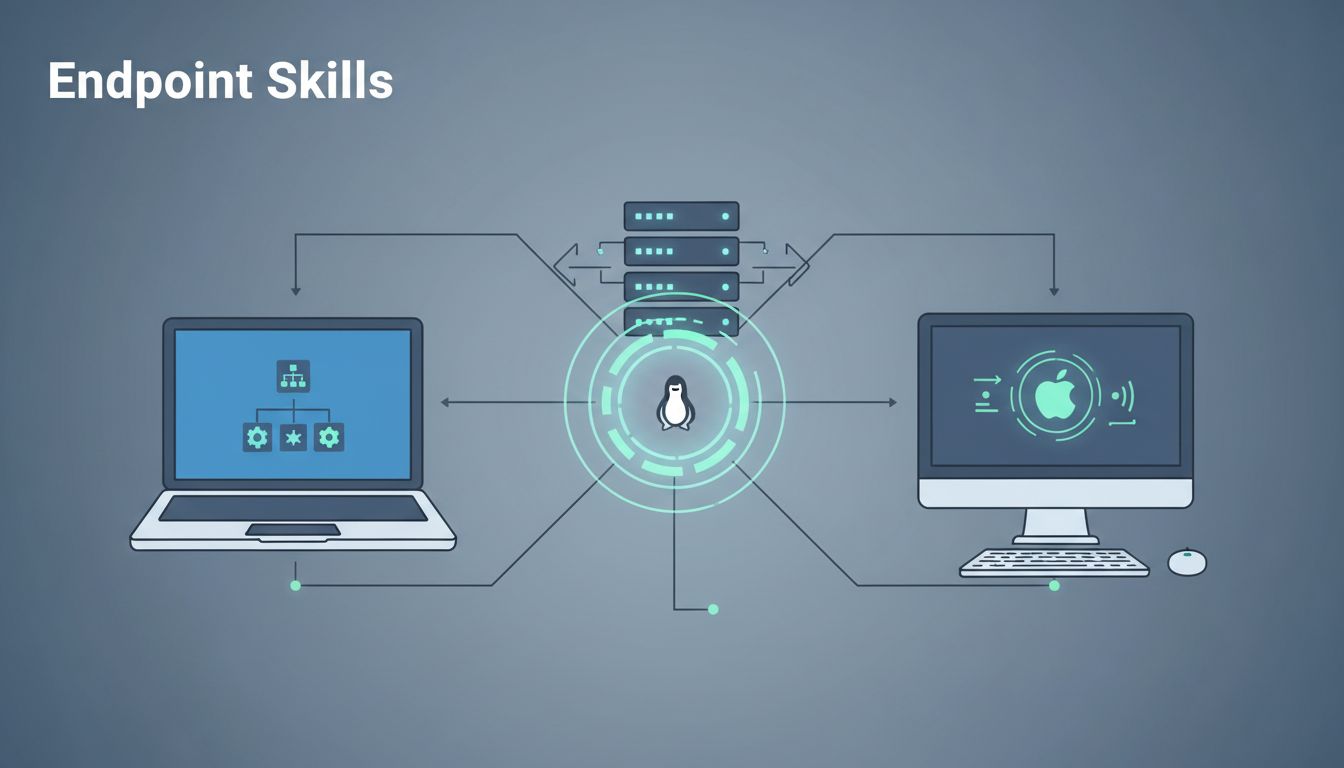
Endpoint data drives everything. You parse events from EDR tools like CrowdStrike or Microsoft Defender. Focus on process creation, network connections, file changes, and registry mods.
Know Windows Event IDs: 4688 for process starts, 4624 for logons. On Linux, auditd logs syscall details. macOS uses unified logs for app behaviors. Compare these in enterprise mixes.
Pull data from multiple sources. EDR agents send rich telemetry. Combine it with Sysmon for deeper Windows insights.

Practice spotting anomalies. A PowerShell spawn from cmd.exe? Check parent-child relations. Unusual Linux ELF loading? Trace ld_preload env vars. This skill separates noise from threats.
For deeper telemetry tips, check Kraven Security’s detection engineering guide. It outlines OS internals you need.
Build comfort with multi-OS parsing first. Then layer on queries.
Craft Queries in EDR and SIEM Languages
Queries find threats fast. Master KQL for Microsoft stacks, SPL for Splunk, or EQL for Elastic.
In KQL, hunt with DeviceProcessEvents | where ProcessCommandLine contains "whoami /priv". Filter by timestamps, users, paths. Join tables like DeviceNetworkEvents for lateral movement.
Sigma rules help here. Write generic YAML detections. Convert to backend formats. For example, detect Cobalt Strike beacons via parent-child process trees.
YARA scans binaries on endpoints. Match strings, PE sections for malware.
Learn from Microsoft’s KQL docs. They show operators for endpoint hunts.
Test queries daily. Run against sample logs. Tweak for speed in large datasets. This keeps your SOC responsive.
Queries alone miss context. Map them next.
Map Detections to MITRE ATT&CK
Every rule ties to attacker tactics. Use MITRE ATT&CK for structure. Focus on Enterprise matrix: TA0002 Execution, TA0003 Persistence.
Label rules by techniques. Process injection? T1055. Credential access? T1555. This helps prioritize.
In enterprise EDR, tag alerts with ATT&CK IDs. Track coverage gaps. Red team tests expose weak spots.
MITRE’s detection engineering training covers T1134 token theft. Apply it to your rules.
Map weekly. Review intel feeds. Adjust for new TTPs. This skill boosts team alignment.
Good mapping feeds logic design.
Build Detection Logic and Tune Alerts
Design rules that balance sensitivity and precision. Start simple: single IOCs like hashes. Evolve to behavioral chains.
For ransomware, chain file encryption events with ransom notes. Use sequences over time windows.
Reduce false positives. Whitelist legit tools: living-off-the-land binaries like certutil.exe. Baseline normal behaviors per endpoint group.
Tune alerts in SIEM. Suppress noisy patterns. Set thresholds: five failed logons in a minute.
Test in labs. Replay attacks with Atomic Red Team. Measure precision/recall.
Collaboration sharpens this. Share with IR for feedback.
Logic needs automation to scale.
Script with Python and PowerShell
Automation saves hours. Python parses JSON logs, tests rules. PowerShell shines on Windows endpoints.
Write Python to validate Sigma rules. Fetch EDR data via API. Simulate alerts.
Example: Script queries Defender API for suspicious parents. Output to CSV for review.
PowerShell remediates: Get-Process | Where-Object {$_.Path -like "*malware*"} | Stop-Process.

Use libraries: yara-python for scans, requests for APIs. Version scripts in Git.
Practice on real tasks. Automate FP analysis. This boosts efficiency.
Scripts fit into bigger workflows.
Adopt Detection-as-Code Practices
Treat rules like software. Store in Git. Use PRs for reviews. CI/CD pipelines test deploys.
YAML for Sigma rules. Lint for syntax. Run unit tests against datasets.
Tools like PySigma convert rules. Integrate with GitHub Actions for validation.
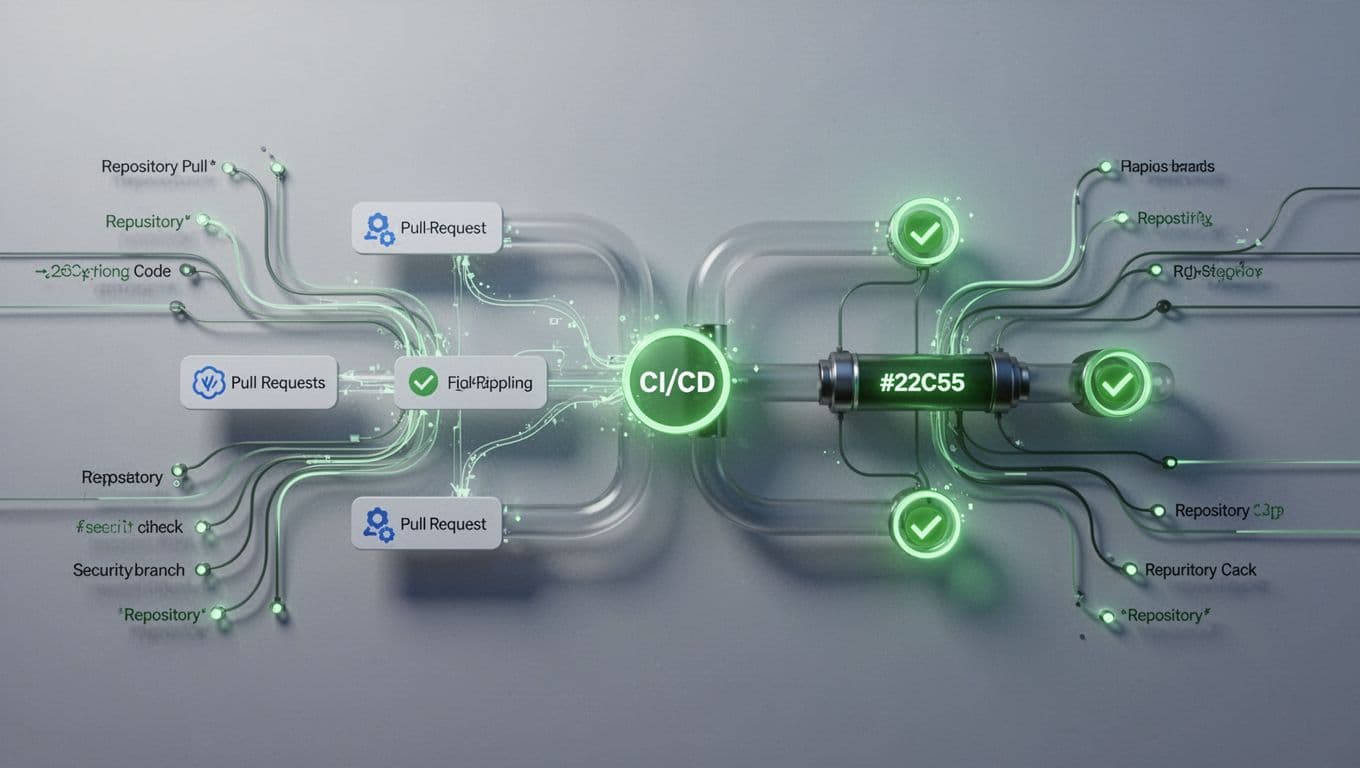
See best practices for DaC. It details pipelines for endpoints.
DaC scales enterprise detections. Track changes. Roll back bad rules.
Labs and hunts refine it.
Hunt Proactively and Test in Labs
Threat hunt with hypotheses. “Attackers use LOLBins?” Query for uncommon parents.
Build labs: VMs for Windows, Linux, macOS. Infect with safe malware. Tune rules.
Use Caldera for automated hunts. Measure detection gaps.
Document findings. Feed back to rules.
Collaborate with SOC, IR, and Intel Teams
Share detections via wikis. Brief SOC on new rules. Work with IR on post-breach gaps.
Align with threat intel. Pull IOCs into rules.
Daily standups help. Triage alerts together.
Key Takeaways for Endpoint Detection Success
You now have a clear checklist: parse telemetry, query smart, map to ATT&CK, tune logic, script automations, use DaC, hunt, and collaborate.
Master these endpoint detection engineer skills to cut noise and catch real threats. Enterprises need pros who deliver quiet SOCs.
Spot gaps in your team? Book a Discovery Call with Bud Consulting. They vet talent for detection roles. Start building today.