table of contents
Your enterprise network faces constant threats. Attackers exploit hybrid setups, cloud migrations, and remote access gaps. A skilled zero trust architect builds defenses that verify every access request, no matter the source.
In 2026, breaches cost millions, and regulations demand identity-centric security. You need someone who integrates microsegmentation, ZTNA, and SASE across on-prem and cloud. This guide shows you how to find, evaluate, and hire that expert.
Start by clarifying what the role demands in your environment.
Define the Zero Trust Architect Role in Your Enterprise
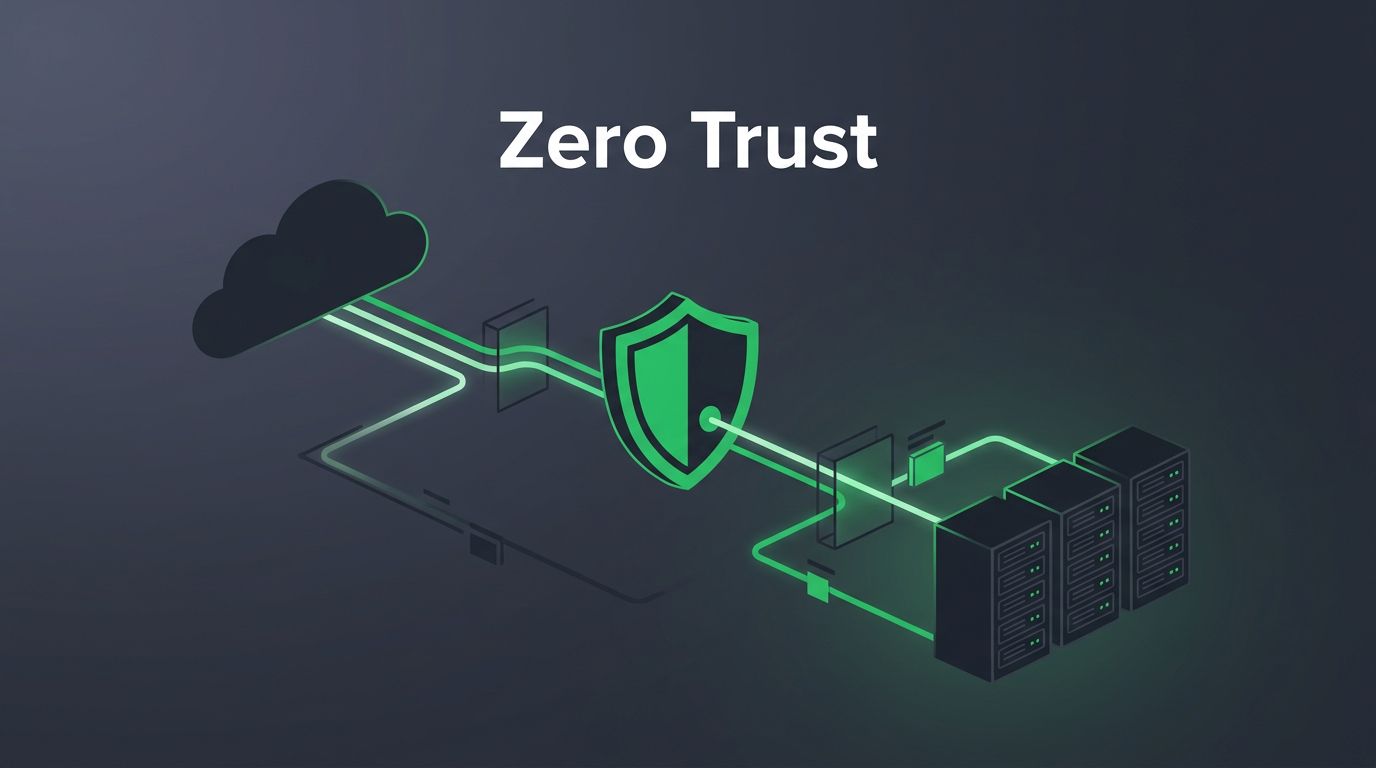
A zero trust architect designs security that assumes breach. They create policies for continuous verification of users, devices, and apps. This fits hybrid networks where cloud and on-prem mix.
Expect them to lead microsegmentation. That means isolating workloads to stop lateral movement. They also align ZTNA with SASE for secure access without VPNs.
Daily work involves mapping your attack surface. They review traffic flows, integrate identity tools like Entra ID, and ensure compliance with NIST 800-207. For DoD-aligned firms, they follow reference architectures.

This role demands cross-team collaboration. Architects work with DevOps, compliance officers, and execs. They translate threats into roadmaps that support business speed.
Hiring one reduces risks in multi-cloud setups. They handle AI-driven threats too, using automation for real-time responses.
Essential Skills and Qualifications for Success
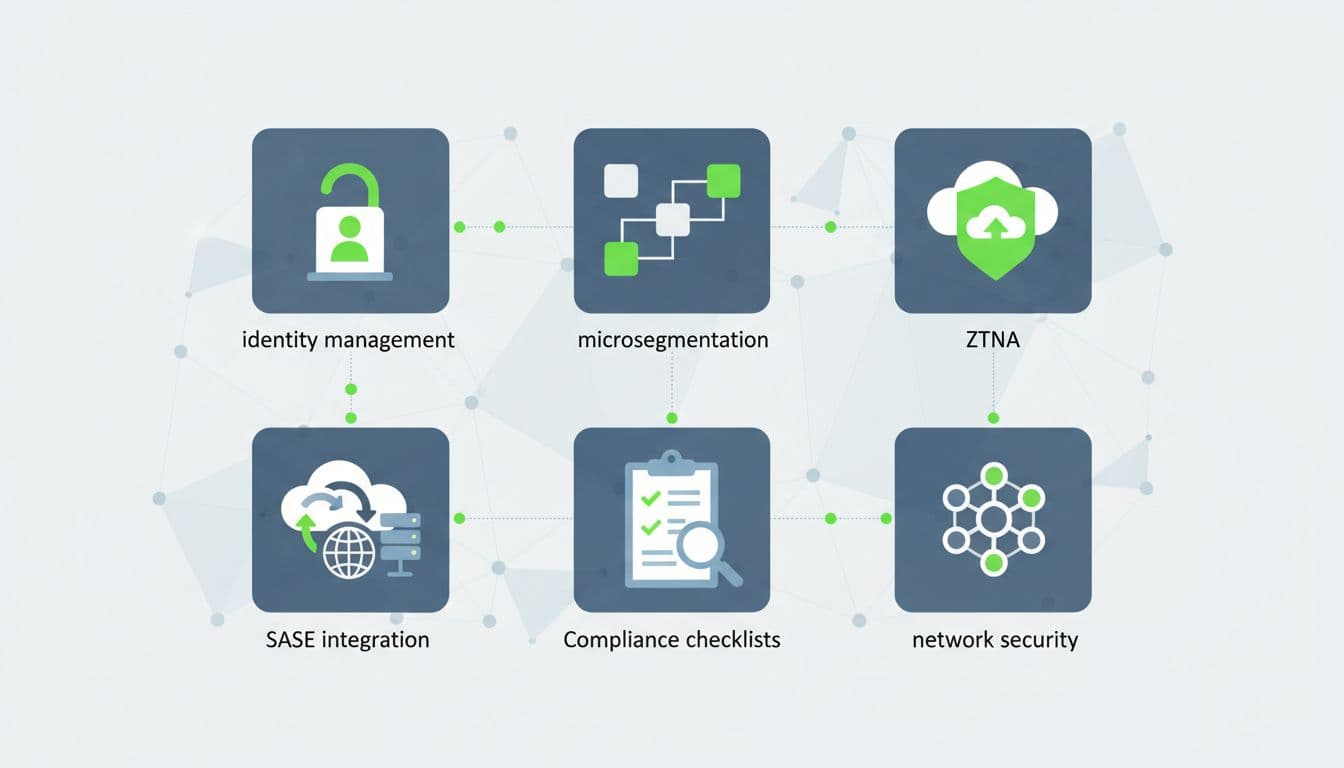
Look for 8-10 years in network security. Hands-on experience with zero trust pilots counts most. They must know identity management deeply, including IAM, MFA, and UEBA.
Core skills include microsegmentation tools like Illumio or Guardicore. Proficiency in ZTNA platforms such as Zscaler or Palo Alto Prisma helps. Add SASE/SSE integration for edge security.
Certifications matter. CISSP, CISM, or CCSP show broad knowledge. Zero trust specifics like ZTA from NIST boost credibility.
Soft skills seal the deal. They explain complex setups to boards and train teams. Check for compliance experience, like FedRAMP or GDPR.
In 2026, AI/ML for threat detection is key. Demand outstrips supply, so only 46% of firms have full identity visibility. Prioritize candidates with hybrid cloud proofs.
Best Places to Source Zero Trust Talent
Post on niche boards like ClearanceJobs for cleared pros. LinkedIn works, but filter for “zero trust architect” keywords and enterprise experience.
Recruitment firms specialize here. They vet for rare skills like SD-WAN in zero trust. For example, Booz Allen’s job postings highlight DoD needs.
Conferences and communities yield leads. Black Hat or SANS summits attract experts. Referrals from peers fill gaps fast.
Use contract-to-hire for trials. This tests fit in your hybrid setup before full commitment.
Build a Strong Job Description and Screening Criteria
Tailor the JD to your pains. List must-haves: 5+ years in ZT implementation, microsegmentation design, and SASE alignment.
Sample criteria:
| Criterion | Evaluation Method | Weight |
|---|---|---|
| Zero Trust Design Experience | Portfolio Review | 30% |
| Identity-Centric Security | Case Study | 25% |
| Hybrid Cloud Integration | Technical Test | 20% |
| Compliance Knowledge | Interview Question | 15% |
| Collaboration Skills | Reference Check | 10% |
Screen resumes for keywords like ZTNA, SSE, and EDR/XDR. Phone screens ask: “Describe a zero trust rollout in a multi-cloud environment.”
This filters 90% quickly. Focus on outcomes, like reduced breach risks.
See Vintti’s zero trust architect template for more ideas.
Run Interviews That Reveal True Expertise
Structure rounds: technical deep-dive, architecture scenario, and behavioral.
Ask: “How do you implement microsegmentation in a legacy on-prem to AWS hybrid?” Probe for pitfalls like over-segmentation.
Use whiteboarding. Have them sketch a ZTNA flow with identity verification.
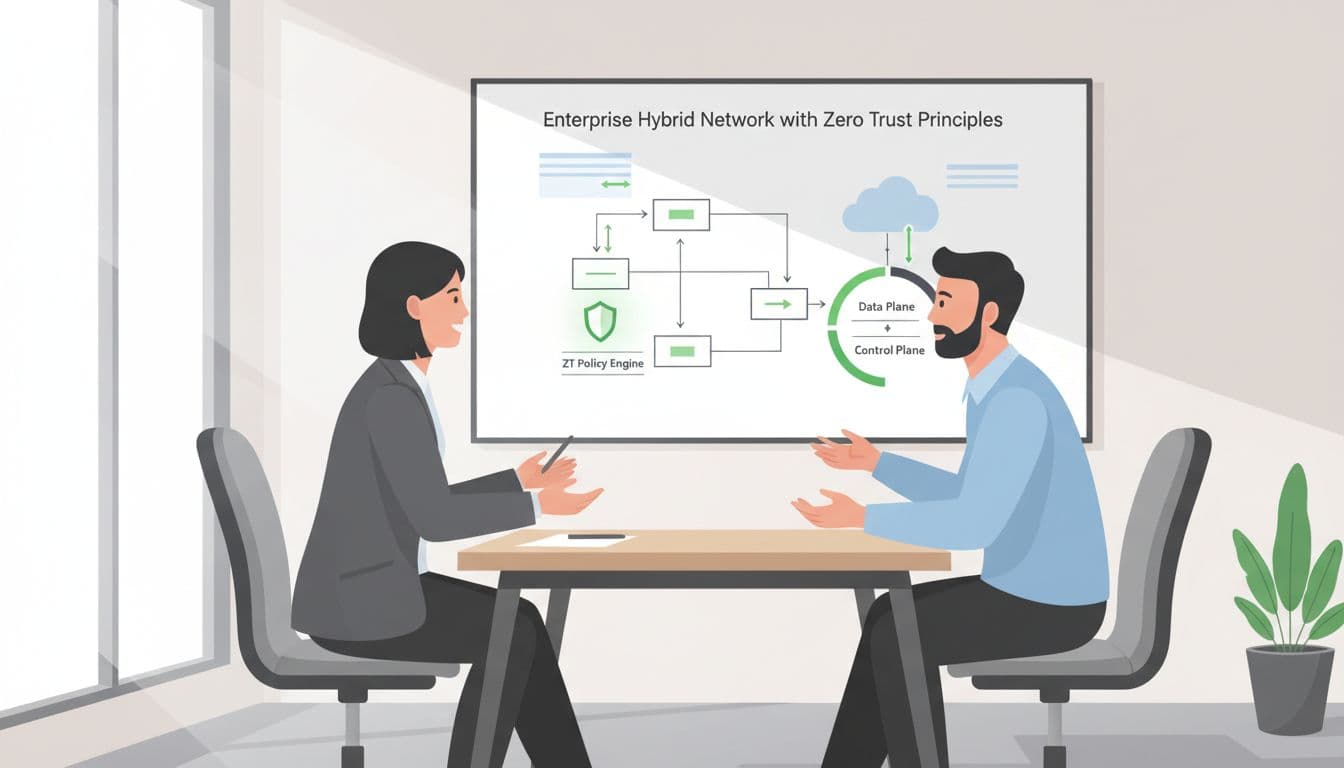
Panel with network and security leads. Test soft skills: “How do you gain buy-in for zero trust changes?”
Reference checks confirm. Ask past bosses about delivery in tight deadlines.
Tools like Vintti’s interview questions guide you.
Set Realistic Salary and Offer Expectations
In 2026, averages hit $292,000 total comp. Base starts at $180,000-$220,000, plus bonuses. Tech hubs add 20-30%.
Factors: Experience pushes top end to $350,000. DoD roles range $99,000-$225,000 per Booz Allen.
Negotiate equity or remote perks. Offer clear growth paths.
Conclusion
Hire a zero trust architect who masters identity, microsegmentation, and hybrid integration. Use targeted sourcing, rigorous screens, and scenario interviews to pick winners.
Your network gains resilience against 2026 threats. Strong hires cut risks and speed compliance.
If sourcing proves tough, Book a Discovery Call with Bud Consulting. They specialize in these roles.