table of contents
Blockchain projects lose billions to hacks each year. In April 2026 alone, exploits drained over $600 million from DeFi protocols like Drift and KelpDAO. You run a Web3 startup or exchange. One breach could wipe out your users’ funds and your reputation.
General cybersecurity pros won’t cut it here. Blockchain demands specialists who grasp smart contracts, key management, and oracle risks. They spot threats others miss.
This guide walks you through hiring one. You’ll get clear steps, skills checklists, and interview questions tailored to 2026 realities.
Why Blockchain Teams Need Crypto-Native Security Experts
Standard IT security focuses on servers and networks. Blockchain security targets code that runs forever on public chains. A single smart contract flaw lets attackers drain millions instantly.
Recent incidents show the stakes. North Korea-linked hackers stole $285 million from Drift Protocol via a compromised admin key. KelpDAO lost $293 million when attackers poisoned bridge nodes. These weren’t basic bugs. They hit off-chain trust and oracle feeds.
Your team needs someone who audits Solidity or Rust code daily. They must know EVM chains, L2s, and DeFi patterns like AMMs or staking. Generalists lack this depth. For example, Chainalysis’s 2026 Crypto Crime Report notes phishing and bridges as top vectors now.
Hire for crypto-specific experience. Look at past audits or red team work on protocols. This protects wallets, bridges, and exchanges from real threats.
Key Skills to Look For in Candidates
Top crypto security specialists master blockchain internals first. They audit smart contracts for reentrancy, access control gaps, and integer overflows. Expect hands-on work with tools like Slither, Mythril, or Foundry fuzzing.
Cryptography basics matter too. They handle ECDSA signatures, key rotation, and multisig setups. Poor key management led to many 2026 breaches. They also secure wallets against phishing and malicious dApps.
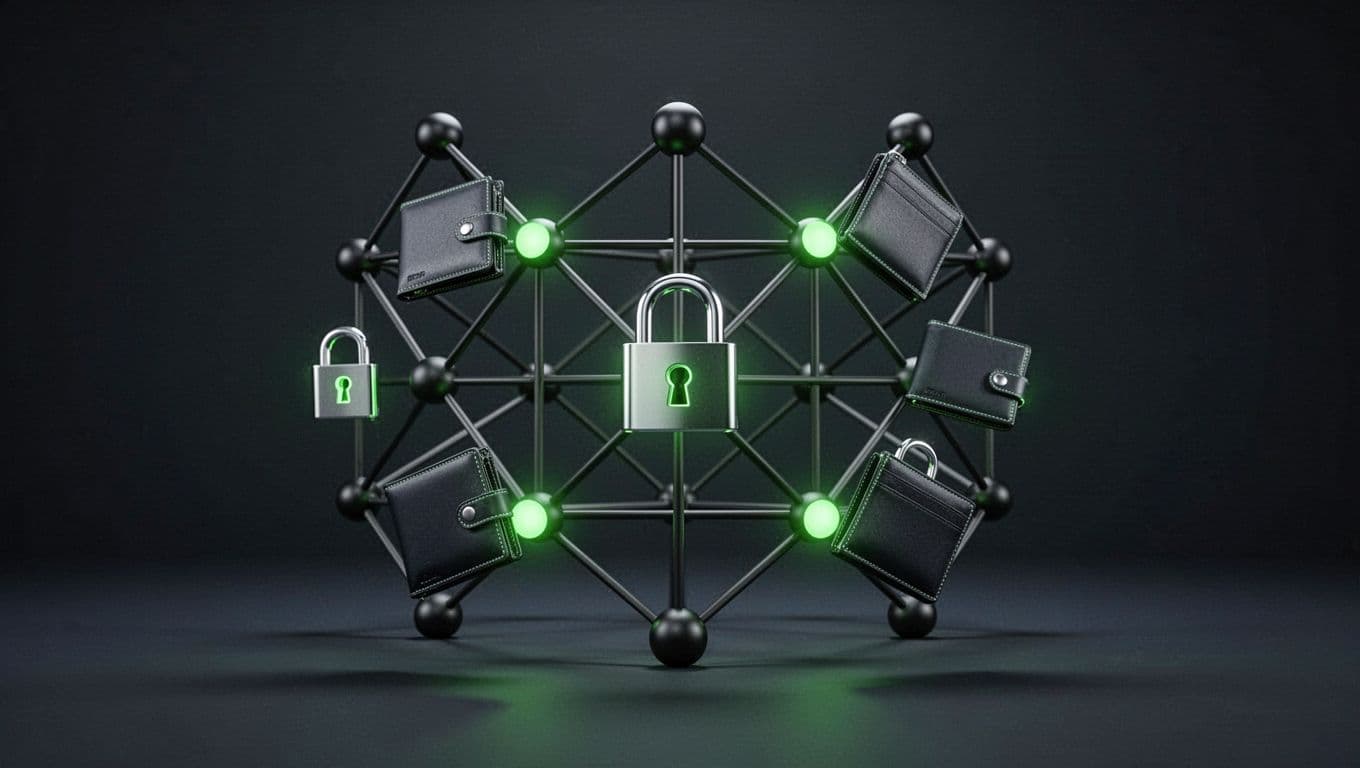
Cross-chain risks demand attention. Bridges and oracles fail often, as in KelpDAO’s LayerZero exploit. Candidates should model threats in these areas. Incident response skills help too. They trace funds via explorers and coordinate freezes.
From 2026 trends, prioritize on-chain monitoring and zero-trust access. Communication counts. They explain bugs to non-tech leads clearly.
Distinguish this from generic roles. A Certik job posting lists Solidity audits and node security. That’s the benchmark.
Where to Source Crypto Security Talent
Job boards like LinkedIn yield few results. Crypto experts cluster on X, Discord, and niche sites. Post on Web3 career pages or Electric Capital’s board.
Check audit firms like ZetaChain’s researcher roles. Many specialists freelance there before full-time gigs. Bug bounty platforms reveal active hunters.
Remote roles dominate, per Kraken’s on-chain security engineer post. Target US or CET timezones for overlap.
Networks matter. Attend Devcon or scout GitHub repos with real contributions. Avoid resume mills. Vet via past reports or public write-ups.
If sourcing drags, firms like Bud Consulting specialize here. They match vetted talent fast.
Evaluate Candidates with Targeted Interviews
Screen resumes for 3+ years in blockchain security. Skip those without audit examples or exploit breakdowns.
Use a framework: technical screen, code review, then live audit. Ask them to fuzz a sample contract.

Sample questions:
How would you secure a multisig wallet against key compromise?
Walk through auditing an AMM for oracle manipulation.
Explain a recent breach like Drift and your fix.
What tools detect reentrancy in Rust contracts?
They should reference smart contract best practices for 2026. Probe DeFi risks: “How do you test bridge message passing?”
Test soft skills. Can they simplify a Slither report for execs? Role-play an incident.
Coinbase’s offensive security role stresses red team tracks. Match that rigor.
Hiring Checklist and Red Flags to Avoid
Use this checklist before offers. It flags mismatches early.
| Criterion | Must-Have | Evidence Needed |
|---|---|---|
| Experience | 3+ years blockchain audits | Audit reports or GitHub PRs |
| Tech Skills | Solidity/Rust, Slither, fuzzing | Live demo or take-home |
| Crypto Knowledge | Bridges, oracles, keys | Breakdown of 2026 breach |
| Incident Response | Fund tracing, pauses | Past role examples |
| Communication | Clear reports | Sample write-up |
Red flags: No on-chain work, only infra security. Vague answers on exploits. Over-reliance on audits without tooling. Claims without proof, like “I fixed a hack” sans details.
Per Jito Labs’ security engineer post, demand production review experience.
Key Takeaways
Crypto security hires prevent disasters like 2026’s $600 million April losses. Focus on blockchain-native skills: smart contracts, keys, bridges. Use checklists, pointed interviews, and proof.
Strong hires build secure SDLC from day one. They turn risks into strengths.
Book a Discovery Call with Bud Consulting if you need vetted matches now. Your protocol stays safe.
(Word count: 982)