table of contents
Layoffs hit hard, especially in security where every role counts. You stare at a thinner team, wondering how to cover the basics without gaps. Morale dips, risks rise, and business pressure mounts.
The good news? You can rebuild stronger. Focus on what matters most: protecting critical assets with clear priorities and smart allocation. This guide walks you through steps to restructure your security team effectively.
Assess the Layoff Damage First
Start with a full audit. List every departed role, their duties, and open gaps. Talk to remaining team members about overload.
You need facts, not guesses. Map workloads in a simple spreadsheet: incident response tickets, vulnerability scans, compliance checks. Identify quick wins like pausing low-risk tasks.
Consult HR early for offboarding details. Did ex-employees retain access? Poor offboarding creates breaches, as seen in recent surveys. Involve legal if contracts linger.
Next, rate risks. Which gaps threaten revenue most?
Prioritize Business-Critical Risks
Not all threats equal. Rank them by impact: customer data, revenue systems, regulatory fines top the list.
Build a risk matrix. Score likelihood and business damage. Focus your slim team on high scores.
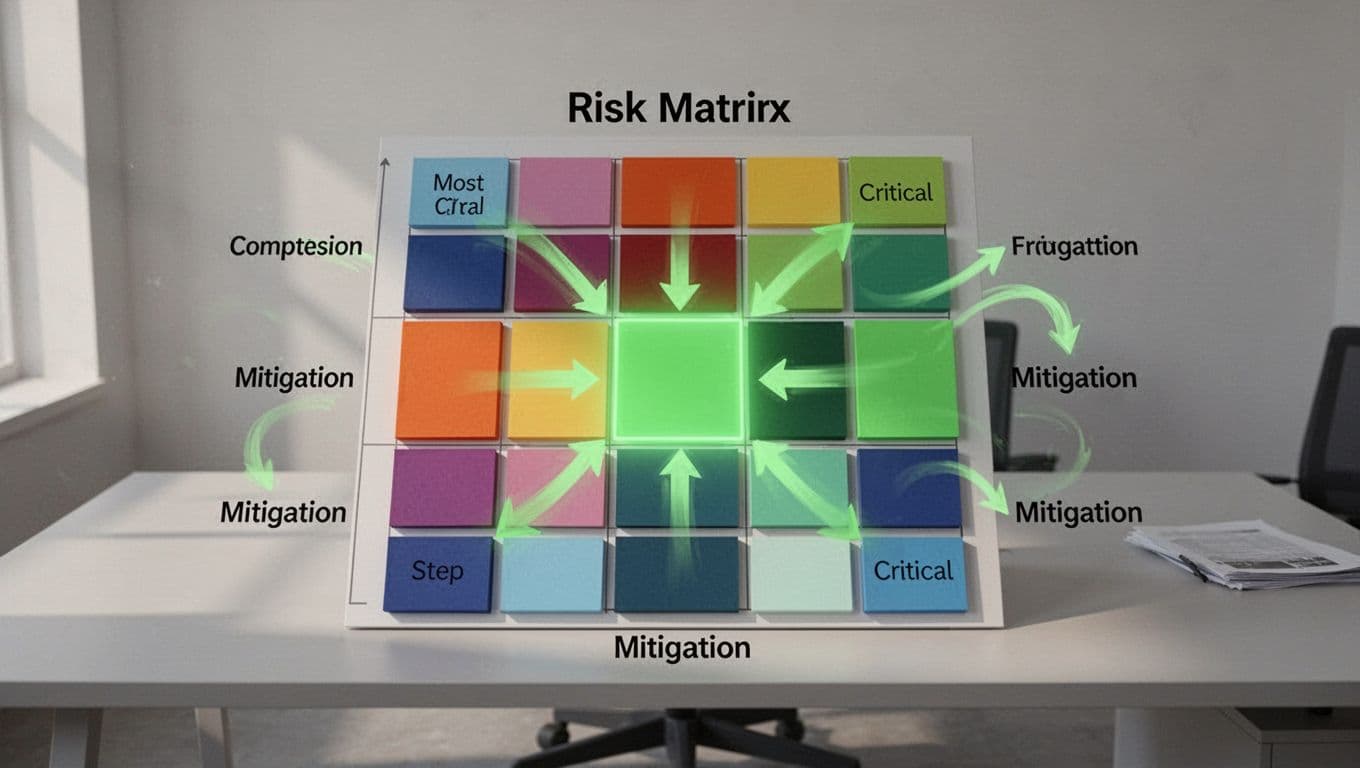
For example, protect IAM first if cloud sprawl grew. Delegate vuln scans to automated tools for lower risks.
Here’s a quick checklist to prioritize:
- List top 10 assets by revenue tie.
- Score threats: high/medium/low.
- Assign owners from current staff.
- Review quarterly.
This keeps coverage tight. Teams that do this cut exposure 30% faster, per industry audits.
Redefine Roles and Team Structure
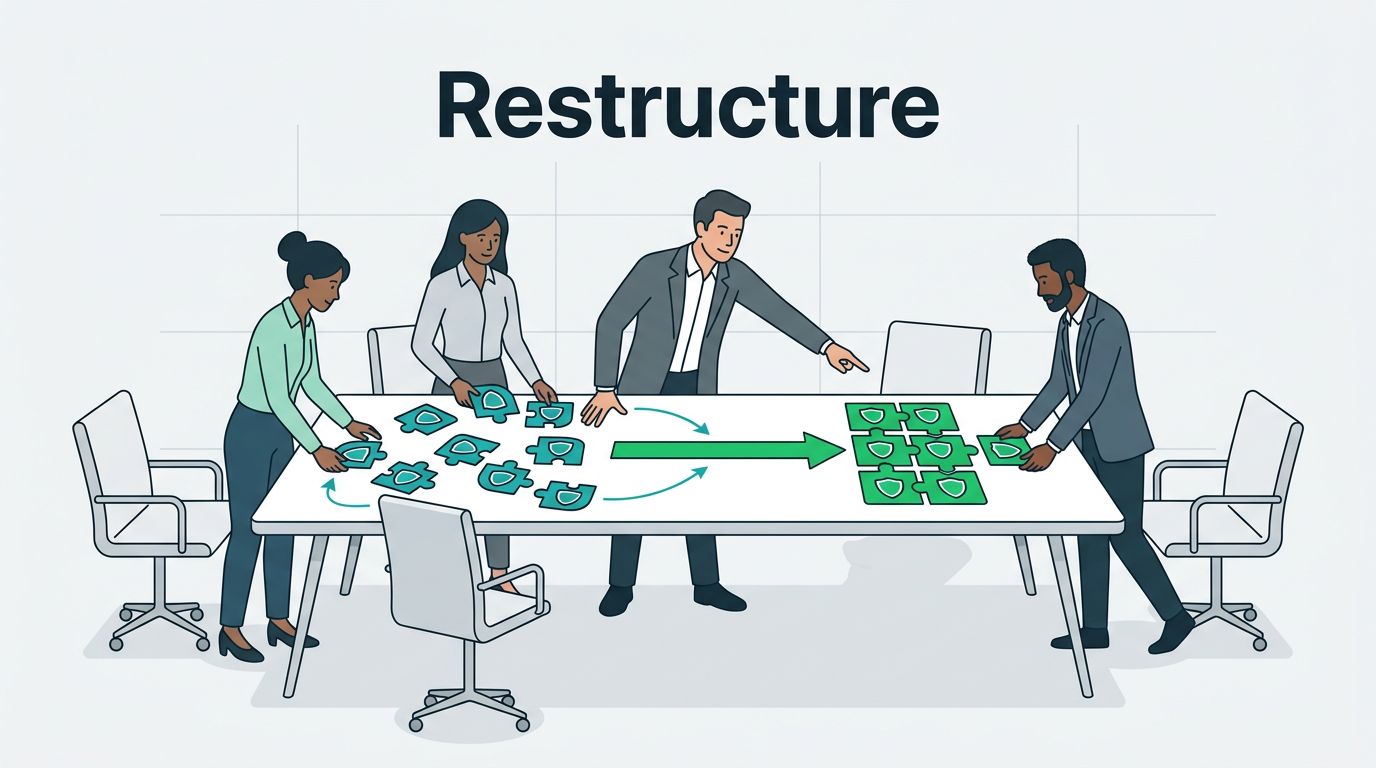
Fewer people means broader hats. Shift from specialists to generalists who handle core duties.
Consider a lean structure for 5-10 person teams:
| Role | Key Duties | Tools/Automation |
|---|---|---|
| Security Lead | Oversight, IR coordination | SIEM dashboards |
| IAM Specialist | Access reviews, offboarding | Okta or Azure AD |
| Engineer | Vuln mgmt, basic engineering | Nessus, Terraform |
| Compliance Analyst | Audits, reporting | GRC platforms |
Outsource advanced IR or pen testing if budget allows. Small orgs often use MSSPs for monitoring.

Cross-train everyone. One engineer covers IAM basics; the lead jumps on incidents. This setup works for post-layoff teams, as outlined in O’Reilly’s cybersecurity playbook for small enterprises.
Rotate duties weekly to build skills and prevent burnout.
Clarify Ownership and Document Workflows
Ambiguity kills efficiency. Assign clear owners for every process.
Write playbooks: one-pagers for IR, access requests, patch management. Use shared docs like Notion or Confluence.
For instance, define “Who handles phishing alerts?” Make it the lead, with engineer backup.
Standardize handoffs. After an incident, log lessons in a central repo.
Check this list weekly:
- Update role matrices.
- Test playbooks in drills.
- Get sign-off from stakeholders.
Clear docs reduce errors 40%. Leaders navigating cuts stress this in Forrester’s workforce change guide.
Balance Core Responsibilities
Juggling incident response, compliance, IAM, vulns, and engineering strains small teams. Triage ruthlessly.
- Incident Response: 24/7 on-call rotation; automate alerts.
- IAM: Weekly reviews; auto-revoke on terminations.
- Vuln Management: Prioritize CVSS 8+; automate scans.
- Compliance: Quarterly reports; outsource audits.
- Engineering: Focus on high-impact automations.
Integrate duties. The IAM person triages vulns tied to access.
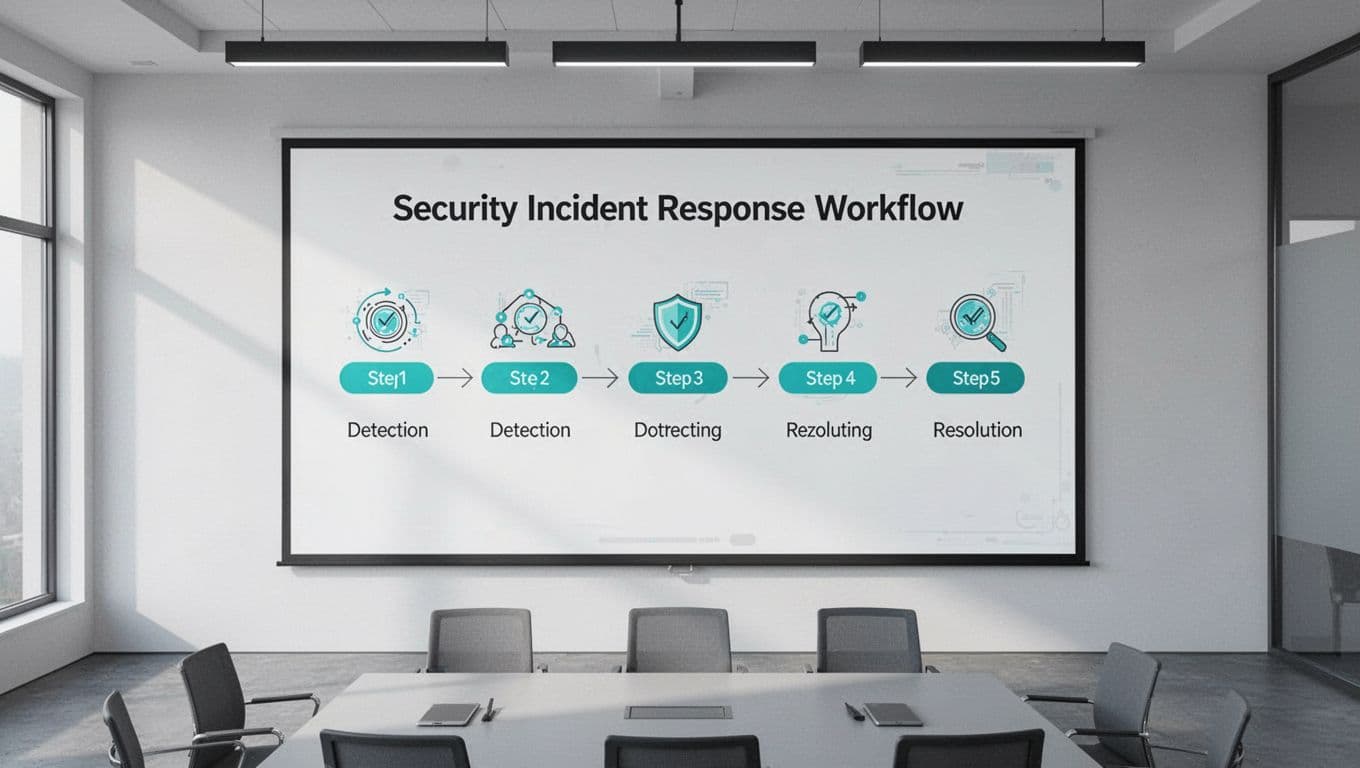
Streamline IR like this: detect, contain, notify, resolve. Shorter cycles mean less fatigue.
Set Realistic Service Levels and Boost Morale
Promise what you can deliver. SLAs: IR in 1 hour for critical; vulns patched in 7 days.
Communicate to business: “We cover essentials; extras need budget.”
Morale matters. Daily standups build team. Recognize wins. Normalize breaks.
If hiring lags, book a discovery call with Bud Consulting for vetted talent.
Track burnout with pulse surveys.
Key Takeaways for Lasting Security
Restructured teams thrive on priorities, clear roles, and docs. You protect the business without the old headcount.
Pick one step today: audit risks or draft playbooks. Momentum builds from there.
Your team can handle this. Stay focused; risks drop as clarity rises.