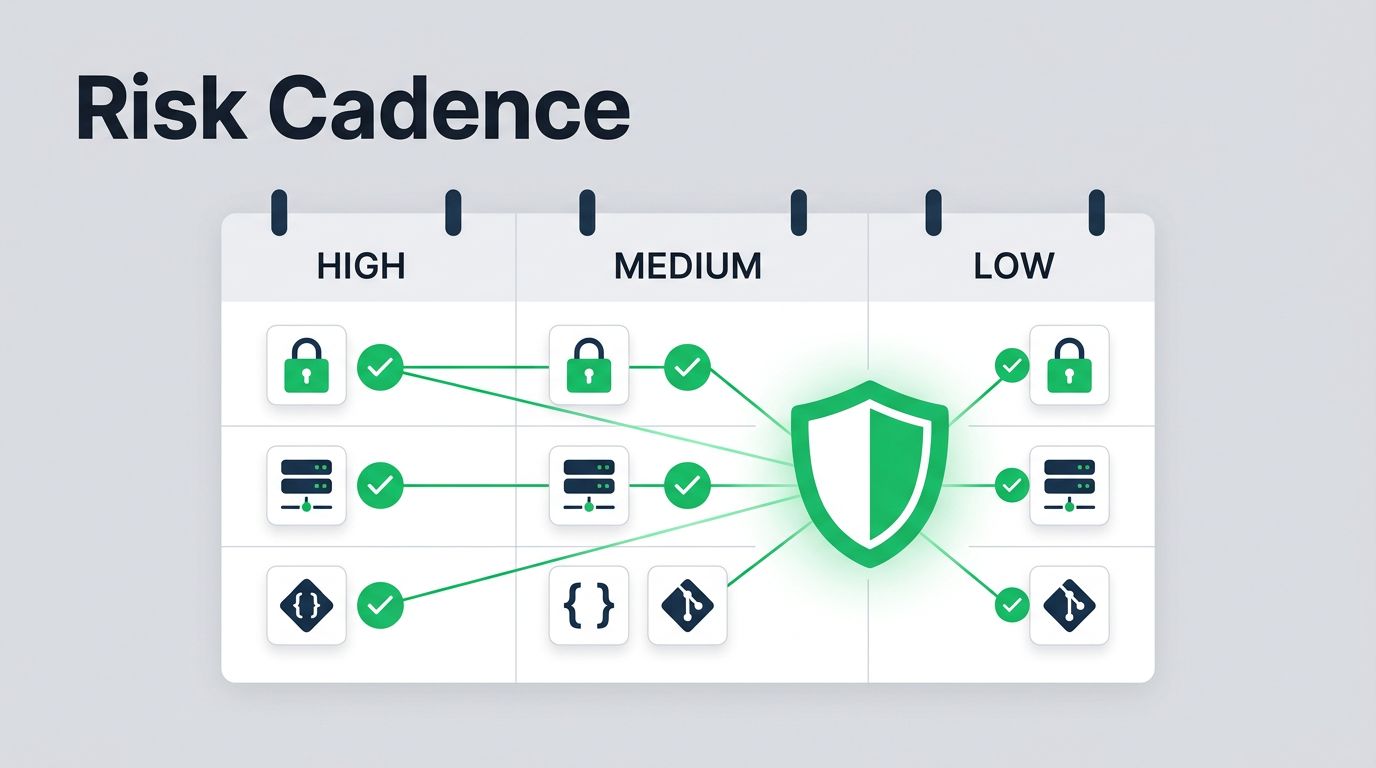
table of contents
Certs can help you shortlist people. They don’t prove someone can handle a phishing outbreak, calm a nervous executive, or make sound calls with thin data. To assess cybersecurity candidates well, test what the job actually demands. That means hands-on skill, incident thinking, communication, risk judgment, ethics, and team fit.
A certification is like a driver’s license. It shows baseline knowledge, not how someone reacts on black ice. The best hiring process mixes structured interviews, realistic exercises, and a scorecard that keeps bias in check.
Table of Contents
- What to test in cybersecurity candidates first
- Use scenario-based interviews to assess cybersecurity candidates
- How cybersecurity candidates show judgment, ethics, and team fit
- FAQs
What to test in cybersecurity candidates first
Start with the role, not the resume. A SOC analyst, cloud security engineer, and CISO shouldn’t face the same interview loop. First, define what success looks like in the first 90 days. Then map the skills that support that outcome.
Separate must-have skills from skills someone can learn in 60 days. That stops teams from rejecting solid candidates over tool names. Security work changes fast anyway. People who learn well often beat people with longer cert lists.
This quick framework keeps the process grounded:
| Signal to assess | How to validate it | Warning sign |
|---|---|---|
| Technical depth | Live troubleshooting, lab, or case review | Can name tools, can’t explain tradeoffs |
| Risk judgment | Prioritization exercise with limited facts | Treats every alert like a fire |
| Communication | Short written brief and verbal update | Too much jargon, weak structure |
| Team fit | Panel interview on collaboration | Confuses fit with sameness |
Because titles vary so much in security, generic questions miss the point. A good interviewer tests how a candidate thinks, not just what they remember. OffSec’s guidance on qualifying cyber talent makes the same point: skills show up best when people solve realistic problems.
Keep the pass criteria clear before interviews begin. For example, if the role owns cloud detection, require solid thinking on logging, identity, and containment. If the role faces executives, require clear explanations with business impact. Also decide what counts as a no-hire. Unsafe testing answers, weak note-taking, or blame-heavy incident stories are common examples.
This topic also pairs well with internal articles on hiring cloud security engineers, interviewing AppSec leaders, and evaluating IAM or PAM specialists.
Use scenario-based interviews to assess cybersecurity candidates
Scenario interviews reveal more than trivia ever will. They show triage, calm, structure, and whether the candidate knows when to escalate.
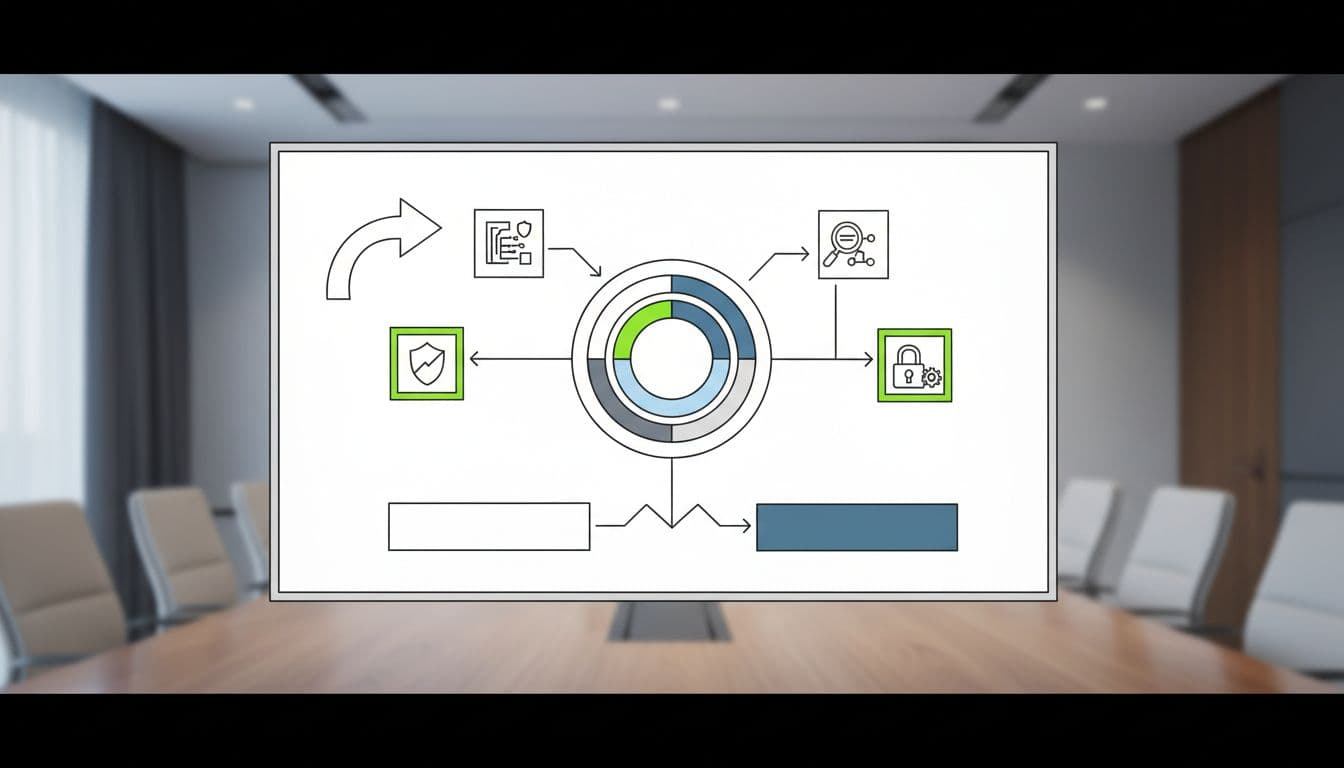
Give the candidate a short, role-based prompt. For instance, “A finance user reports a strange Microsoft 365 login, and outbound mail spikes in five minutes. What do you do first?” Then listen for sequence, not buzzwords. Strong candidates gather facts, assess scope, contain damage, preserve evidence, and communicate clearly.
You can borrow ideas from real-world cybersecurity interview questions, but tailor the scenario to your stack. A healthcare company may focus on patient data exposure. A SaaS firm may care more about identity abuse or exposed cloud storage.
The best answer isn’t the flashiest one. It’s the one that reduces harm fastest and explains why.
Next, add a hands-on exercise. Even a 45-minute lab can separate fluent operators from polished talkers.

Keep the lab narrow. Ask a detection engineer to review logs and write a rule. Ask an incident responder to classify indicators and choose containment steps. Ask a cloud security candidate to spot misconfigurations and rank the biggest risks. If you need a benchmark for realistic practice, cyber range simulations show how role-based exercises can mirror live environments.
Use a timer, a simple rubric, and the same setup for each finalist. That makes scores easier to compare and less likely to drift with interviewer bias.
How cybersecurity candidates show judgment, ethics, and team fit
Security hires don’t work in a vacuum. They influence risk, speak to nontechnical teams, and sometimes hold broad access. That’s why communication, ethics, and team fit matter as much as raw command-line skill.
A fast test works well here. Have the candidate explain a breach update to a CFO in two minutes. Then ask for a five-sentence written summary. You’re looking for clarity, priorities, and audience awareness. If they drown the room in jargon, they’ll struggle when the pressure is real.
Risk judgment matters just as much. Present two or three issues at once, maybe an unpatched internet-facing server, a suspected insider case, and a noisy but low-impact phishing alert. Then see how they rank the work. Good candidates weigh likelihood, impact, exposure, and business cost. Great ones also name what they still don’t know.

Ethics deserves its own check. Ask where they draw the line during testing, data access, or monitoring. Listen for consent, least privilege, documentation, and respect for policy. This practical cybersecurity ethics paper is useful background for building better questions.
Panel design matters too. Pair one technical interviewer with one stakeholder from IT, product, or compliance. Later, reference checks should test reliability, ownership, and how the person handled messy incidents, not just dates and titles.
Finally, use a scorecard. Rate technical skill, incident response thinking, communication, ethics, and team fit on the same scale for every interviewer. Keep notes tied to evidence, not vibes. Team fit should mean work style, ownership, and coachability, not “reminds me of us.”
FAQs
Should certifications matter at all?
Yes, but as a filter, not proof of ability. They show effort and baseline study. They don’t replace labs, scenarios, or structured interviews.
How long should a cybersecurity assessment process take?
For most mid-level roles, keep it to three stages. Screening, practical assessment, and final panel usually work well. Long loops lose good people.
What if the hiring team isn’t deeply technical?
Bring in one strong practitioner for the lab and scenario review. Also, use a scorecard so nontechnical interviewers can assess communication, judgment, and ethics fairly.
Are take-home tasks a good idea?
Sometimes, but keep them short and paid when possible. Long unpaid projects often screen out strong candidates with busy schedules.
Conclusion
If you want better hires, stop treating certifications as the finish line. The strongest cybersecurity candidates show their value through realistic problem-solving, calm incident thinking, clear communication, sound ethics, and solid team fit. Build your process around evidence, and the right people become much easier to spot.