table of contents
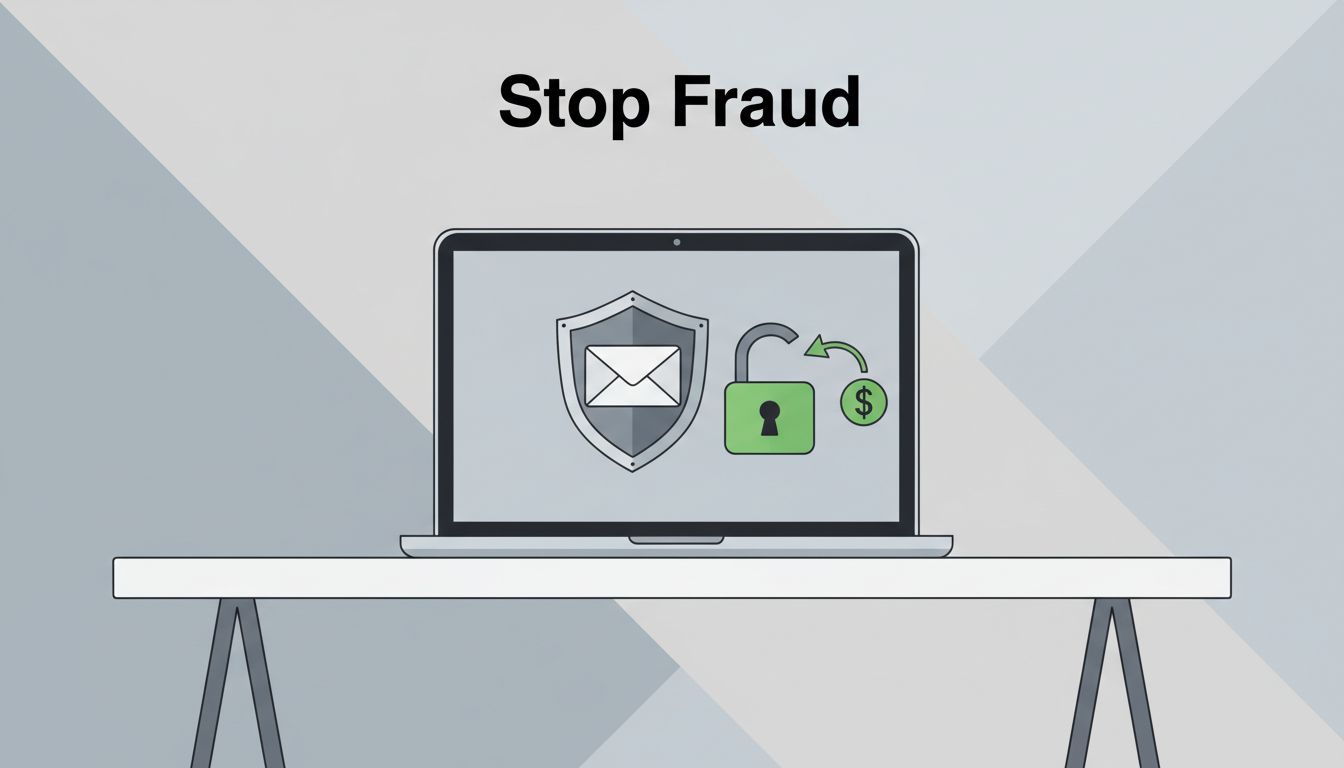
Business email compromise usually looks calm on the surface. The message may ask for a wire, a vendor bank update, or a rushed payment exception, but the goal is theft. A BEC phishing drill gives your finance team a safe way to practice spotting those traps before real money moves.
Broad phishing often hunts for clicks or passwords at scale. BEC is more focused, because it impersonates a trusted person or vendor and pushes a payment action. The FBI’s Business E-Mail Compromise page explains the threat well, and Abnormal’s 2026 attack landscape report on BEC tactics shows how attackers adapt to normal business routines.
What a finance-focused BEC drill should test
Finance teams face a different set of lures than the rest of the company. Your drill should match the pressure points that move money, not just the emails that look suspicious.
The most common targets include:
- Fake invoice changes sent during active vendor threads
- Wire transfer requests with short deadlines
- Executive impersonation asking for a fast exception
- Payroll diversion tied to employee bank changes
- Vendor bank detail updates that look routine
- Gift card requests framed as client or staff support
- Urgent payment exceptions linked to legal, tax, or closing pressure
A good drill checks whether staff pause, verify, and escalate. It also tests whether your process makes that easy. If the reply path is unclear, or if people can approve too much by email alone, attackers will find it.
A BEC drill is only useful when it mirrors how your team really pays bills, updates vendors, and clears exceptions.

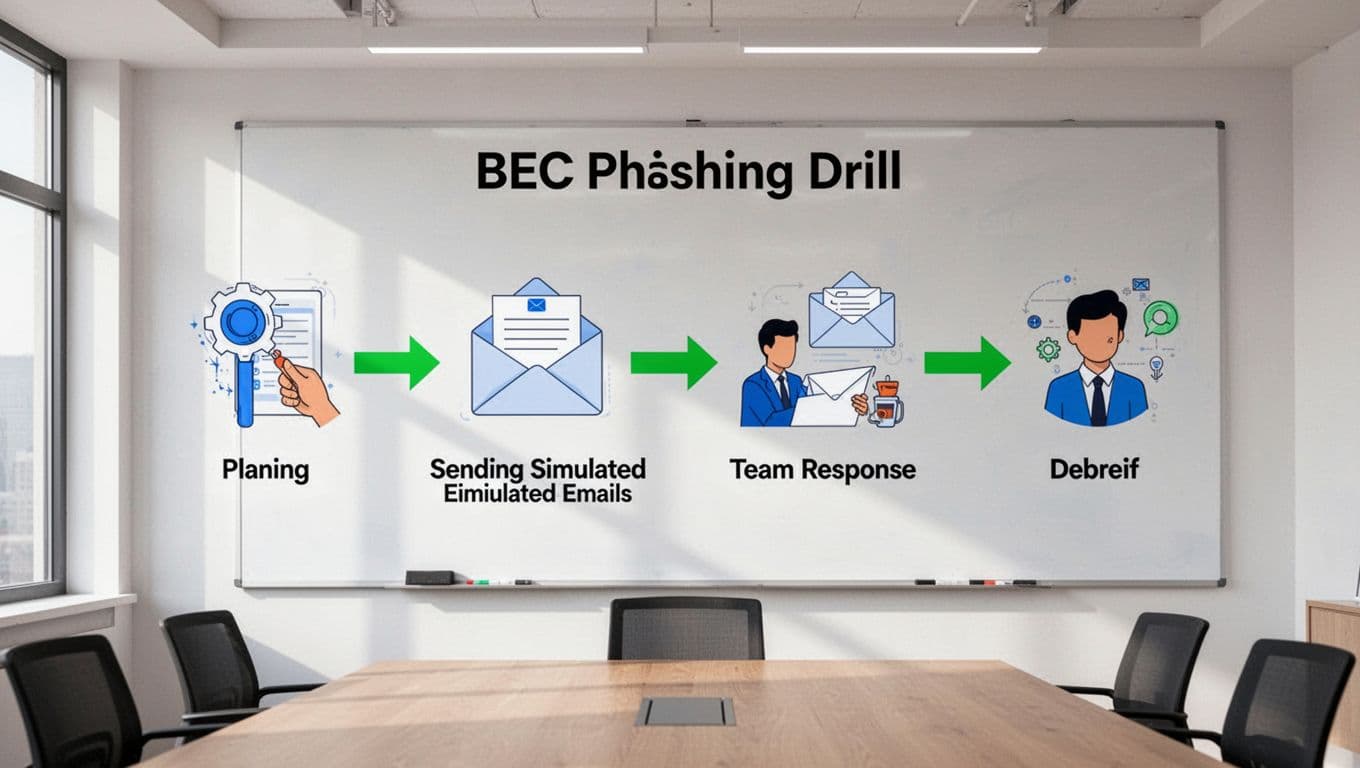
Build the drill in five practical steps
Start with one workflow and one clear owner. Then bring finance, security, HR, and leadership into the same plan. That keeps the drill useful and keeps the feedback loop short.
- Pick one payment path. Start with vendor changes, wire approvals, or payroll updates. Map every handoff, including backups.
- Write a realistic lure. Base it on real work, such as month-end close, a contract renewal, or a travel-heavy week. Keep the language plain and urgent.
- Choose the delivery method. Use a reply-hijack style message, a spoofed executive request, or a fake vendor update. Keep the exercise controlled and approved.
- Define the right response. Staff should report the message, stop the payment, and verify through a known channel. No one should approve based on email alone.
- Debrief fast. Review what happened within 24 to 48 hours. Show where the process held, where it bent, and where it broke.
A simple cadence works best. Run a baseline drill first, then repeat monthly for AP, AR, treasury, and payroll. Quarterly is fine for lower-risk groups. Add extra tests before year-end close, bonus season, mergers, or system changes.
Sample scenarios that feel real to AP, AR, treasury, and payroll
Realism matters more than tricks. For a wider set of attack ideas, the BEC examples roundup is a useful reference point.
Use scenarios that match your own payment flow:
| Scenario | Drill setup | What good looks like |
|---|---|---|
| Vendor bank detail update | A known supplier sends new banking info during an active thread | Staff pause and verify on a trusted phone number |
| Same-day wire request | An executive asks for an urgent transfer before a meeting | The approver uses callback verification first |
| Payroll diversion | HR receives a bank change for an employee | The change gets held and checked through policy |
| Gift card request | A leader asks finance to buy gift cards fast | The request gets flagged as out of process |
| Fake invoice change | A vendor says the remittance address changed | AP confirms outside the email thread |
After a drill like this, people remember the process because it feels close to their daily work. That makes the lesson stick.
Measure the behavior that matters
Clicks matter, but they don’t tell the whole story. Track the actions that show whether finance can stop fraud in time.
| Metric | What to track | Healthy direction |
|---|---|---|
| Report rate | How many people reported the email | Higher |
| Time to report | Minutes from receipt to alert | Lower |
| Wrong approvals | Any payment step completed without verification | Zero |
| Callback use | How often staff used a known contact path | Higher |
| Repeat misses | Same team or role failing twice | Lower |
The best drills show where the process is weak, not just where people made a mistake. If reporting is slow, fix the reporting path. If vendor changes still reach approval too quickly, add a hold and a callback rule.
Security should own the test setup and logging. Finance should own payment controls. HR should handle payroll and employee data changes. Leadership should back the callback rule, because exceptions lose power when executives treat them as optional.
After the drill, tighten the process and coach the people who need help. Update contact lists, approval limits, and vendor change checks. Then retest the same scenario in 30 to 60 days so the fix gets measured, not guessed.
If you want help shaping a drill around your actual payment workflow, Book a Discovery Call with Bud Consulting.
A strong BEC phishing drill does more than train attention. It builds a habit of pause, verify, and escalate before money moves. That habit is what keeps a fake invoice, a rushed wire, or a payroll change from becoming a real loss.