table of contents
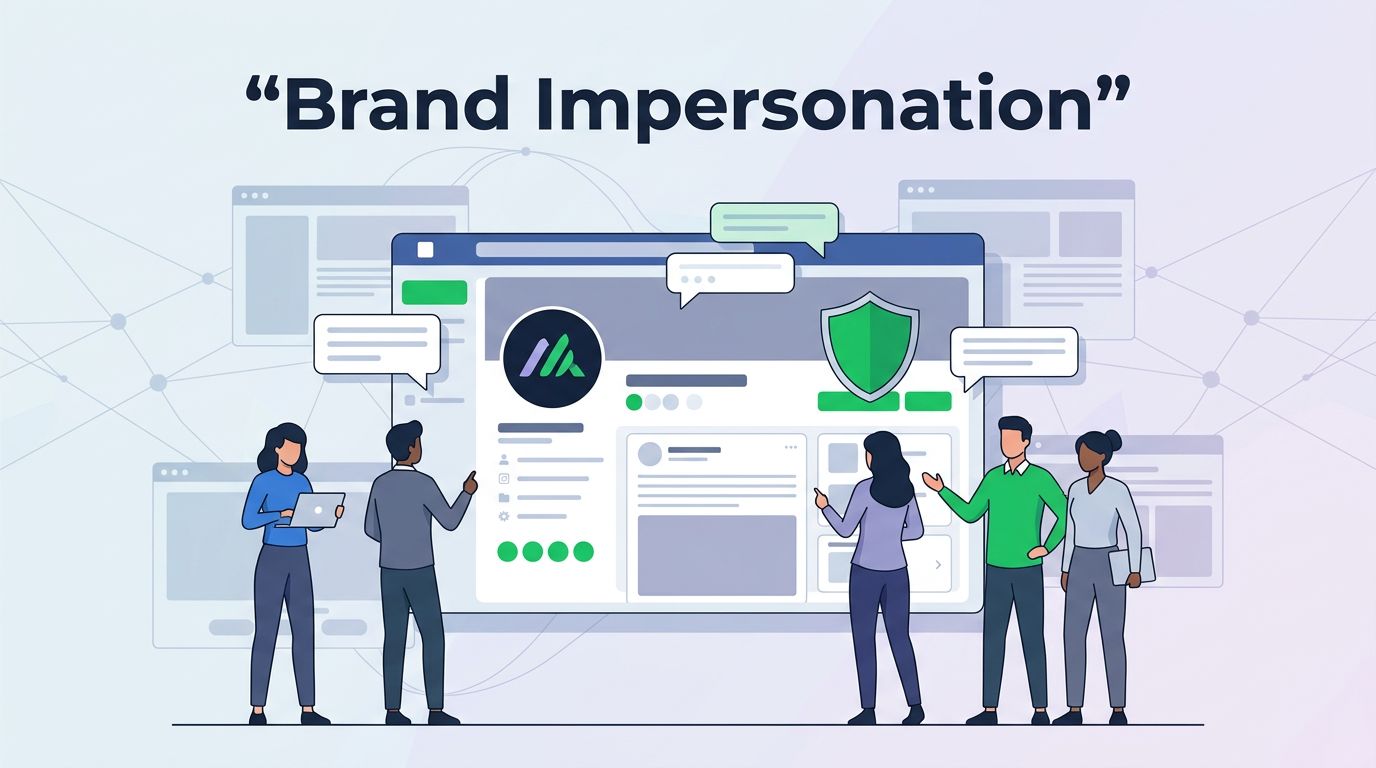
Fake profiles pop up daily on social media. They mimic your brand’s look and voice. Customers fall for them, and your team scrambles to respond.
Marketing leaders face this now more than ever. In 2025, the FTC reported $12.5 billion lost to fraud, with $2.1 billion from social media scams alone. AI makes these attacks harder to spot. Your teams need targeted training to catch them early.
This guide shows how to build role-based brand impersonation training. It covers spotting threats, role-specific steps, and workflows that stick.
Current Threats Demand Focused Training
Brand impersonators target marketing channels hard. They create fake sites, ads, and profiles that steal trust. Early 2026 saw rises in AI-generated videos and deepfake voices pushing scam products.
Social platforms lead the pack. Fraudsters copy logos and bios on fake pages. They send direct messages for payments or data. TikTok shops faced clones that looked more polished than real ones, per Allure Security’s analysis.
Email and paid ads follow close. Phishing emails mimic brands like Amazon or Microsoft with fake bills. Paid search sees ads from odd domains that redirect to scams.
Marketing ops teams track chargebacks from these. Brand managers deal with reputation hits. Without training, responses stay reactive.
You can shift that. Start with real data. FTC stats show impersonation as a top fraud driver. Train teams on patterns like urgent demands or typo domains.
Tie training to workflows. Run quarterly refreshers after incidents. This builds muscle memory.
Spotting Impersonation Attempts Across Channels
Your team spots fakes first. Look for mismatches in logos, bios, or URLs. Fake profiles often lack verification badges or post inconsistently.
Check follower counts. Real accounts grow steadily. Fakes spike or stay flat.
On social, watch direct messages. Scammers push payments or OTP codes. They hijack customer service by replying to complaints faster than you.
Emails raise flags with odd senders. Hover over links to see true destinations. AI clones now use HTTPS and perfect layouts.
Paid ads hide in search results. Unfamiliar domains or multi-redirects signal trouble.

Practice helps. Use simulations from tools like Doppel’s training module. Teams click through fake scenarios. They learn to pause and verify.
Add daily habits. Scan mentions weekly. Set alerts for brand names in searches.
This cuts response time. One team reduced incidents by 40% after spot-check drills.
Role-Specific Training Strategies
Tailor training to roles. Generic sessions waste time. Focus on daily tasks.
Brand managers lead. Train them on trademark scams. Fake lawyers send renewal notices. They verify via official channels only.
Social media teams hunt profiles. Teach profile audits: check join dates, post history, engagement. Role-play DM responses.
Content creators watch for site clones. They review outbound links. Train on watermarking assets to spot copies.
Lifecycle and email teams flag phishing. Focus on sender checks and link hovers. Simulate BEC attacks where bosses seem to request wires.
Paid media pros scan ads. Look for mimicry in creatives or landing pages. Train on platform reports for suspicious advertisers.
Marketing ops coordinates. They build dashboards for alerts. Train on data flows from social to legal.

Keep sessions short. 30 minutes monthly. Use real examples, like 2026’s fake skincare ads stealing creator videos, as in RTE reports.
Cross-train lightly. Social learns email flags. Ops joins brand audits.
Escalation Protocols and Response Plans
Spot it? Act fast. Clear steps prevent chaos.
First, document. Screenshot everything: profile, posts, URLs.
Assign owners by channel. Social goes to platform support. Sites to legal.
Use a shared playbook. Define thresholds: report all suspicions.
Escalate tiers work. Tier 1: team lead verifies. Tier 2: ops notifies security. Tier 3: legal handles takedowns.
Platforms speed this. Twitter’s form deletes fakes quick, per Allure Security tips.
Test quarterly. Run mock incidents. Time responses.
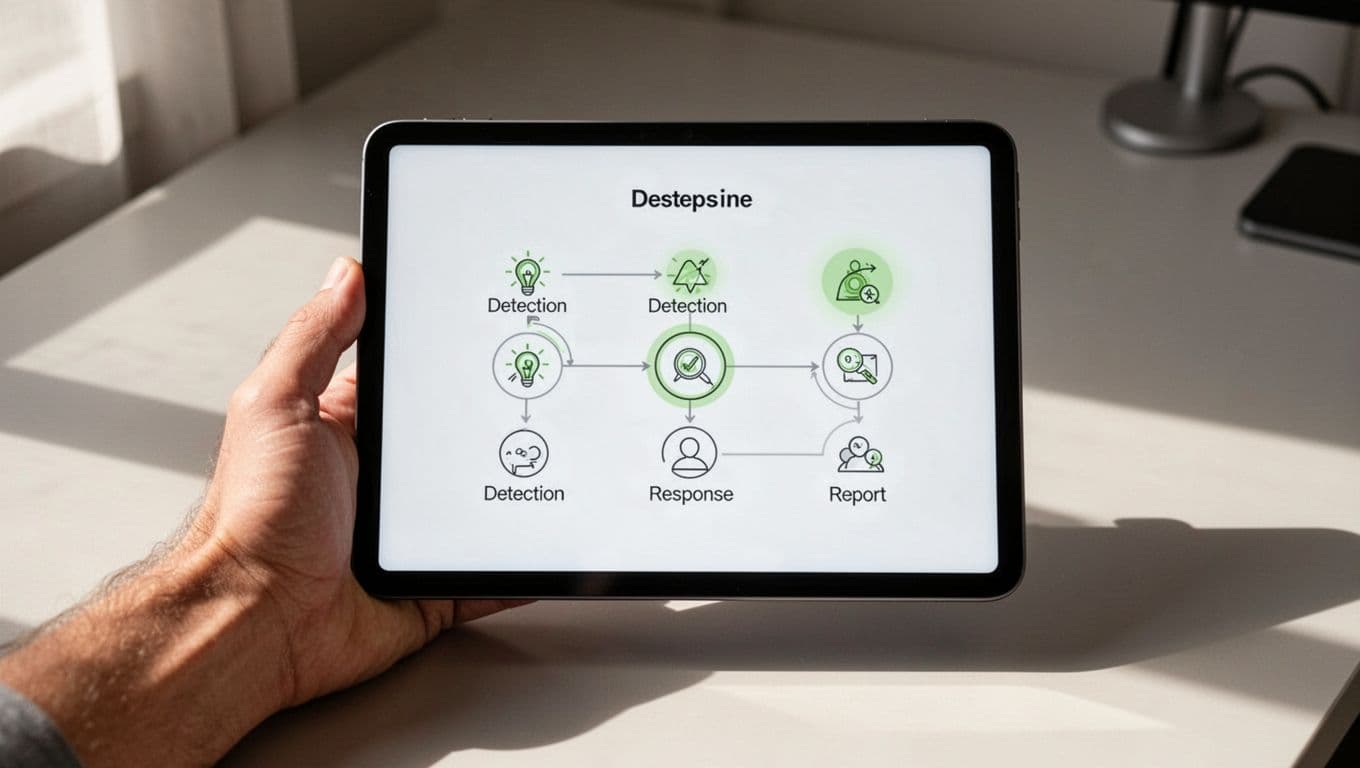
Tools help. Doppel outlines response plans with ownership and thresholds.
This shortens downtime. Teams fix issues in hours, not days.
Integrating Training into Daily Workflows
Make it routine. Embed checks in tools.
Social managers add profile scans to posting calendars. Email teams hover links before sends.
Ops sets Slack bots for alerts. Brand reviews search results weekly.
Quarterly workshops refresh skills. Tie to OKRs: reduce incidents 20%.
Partner with security. Joint sims build coordination.
Use platforms like Impersonally for monitoring. They flag ads and domains.
Track adoption. Quiz teams post-training. Adjust based on misses.
This turns defense into habit. No special effort needed.
Measuring Success and Continuous Improvement
Metrics prove value. Track incidents before and after training.
Monitor response time. Aim under 2 hours.
Survey teams: confidence in spotting fakes?
Customer feedback counts. Fewer complaints signal wins.
ROI shows in saved costs. One impersonation costs thousands in chargebacks.
Refine yearly. Update with new threats, like AI voices in retail scams.
Bud Consulting helps here. Book a Discovery Call with Bud Consulting to assess your gaps.
Key Takeaways
Role-based brand impersonation training equips your teams. They spot threats fast and respond together.
Focus on real patterns from 2026 scams. Build protocols that fit workflows.
Prepared teams protect revenue and trust. Start with one role this quarter.