table of contents
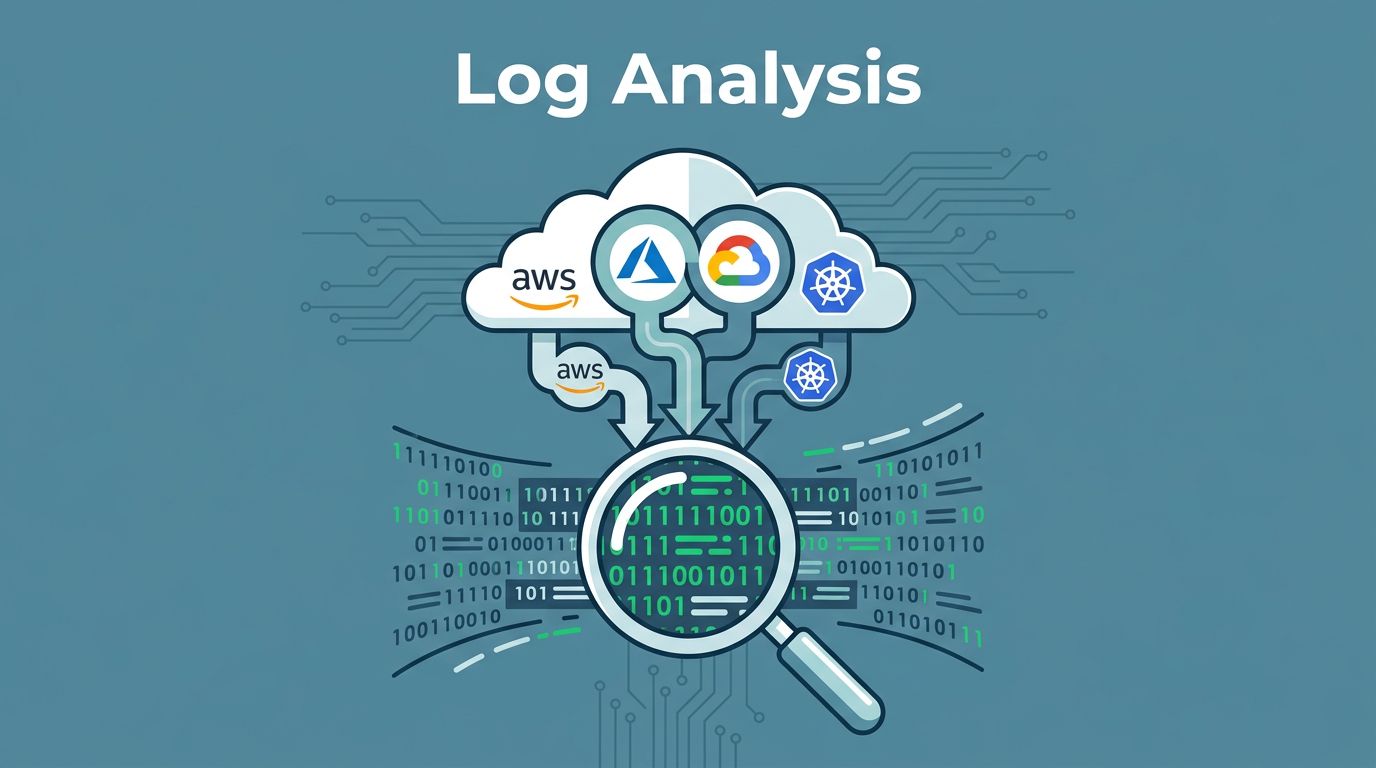
Cloud log analysis sounds simple until you need to hire for it. Then the real test appears: can the candidate turn noisy events into a clear story, under pressure, across AWS, Azure, GCP, and Kubernetes?
That skill matters more in 2026 because teams expect faster triage, better identity context, and cleaner evidence for audits. A strong candidate does more than read alerts. They connect logs, spot what changed, and explain why it matters.
If you hire for this role, the interview should look like the job. The best screens ask candidates to work with messy data, not perfect examples.
What the role should actually cover
A good cloud log analyst handles the full path from ingestion to investigation. They know where logs come from, how they move, how they break, and how to make them useful in a SIEM.
That includes cloud-native sources such as AWS CloudTrail, Azure Activity Logs, Microsoft Entra logs, Google Cloud Audit Logs, Kubernetes audit logs, and network or flow logs. It also means understanding identity data, asset tags, and time sync. Without those, the logs are only half a picture.
When you screen candidates, look for answers that sound operational:
- They can explain how a source gets onboarded into a SIEM.
- They know how to normalize fields across different log formats.
- They can tell you what data is missing and how they work around it.
- They can link a log event to an identity, host, or workload.
For interview prompts, compare log analysis interview questions for SOC roles with log source integration interview questions. Those examples help you shape questions that focus on real work, not trivia.
Skills that matter in a real screen
Log ingestion and normalization
Start here, because weak ingestion ruins everything later. A solid candidate should know how logs arrive, where parsing fails, and why timestamps drift. They should also understand enrichment, such as adding cloud account, region, resource, or user context.
Ask how they would handle duplicate records, missing usernames, or logs that use different field names for the same event. A strong answer includes structure, not guesswork.
Query writing and detection logic
Good cloud log analysis depends on query skill. The candidate should be able to write and read searches in tools like Splunk, Microsoft Sentinel, Elastic, or Google Chronicle, while staying comfortable with SQL-style logic and filter-based hunting.
They should also know how to build detections that survive real traffic. That means baselines, time windows, thresholds, and false-positive tuning. For example, a useful detection for cloud compromise might combine a new geo, an unusual API call, and a risky IAM change.
The best candidates do not chase one noisy alert. They rebuild the sequence that produced it.
Investigation workflow and communication
This is where strong analysts separate themselves. They should move from alert to timeline to hypothesis, then to validation. They should also know when to ask for more context from IAM, cloud, or app teams.
Communication matters here because the findings need to land with engineers and managers. A good analyst can explain what happened, what is still unknown, and what evidence supports the current view.

Hands-on assessments that reveal real skill
A short interview chat rarely shows whether someone can handle cloud logs under pressure. A better test gives them messy data and asks them to work through it.
Use scenarios that match your environment. If you run a mixed-cloud stack, include a few sources from each platform. If your teams care about identity risk, include IAM or Entra logs. If Kubernetes matters, add audit records and workload events.
| Exercise | What a strong candidate does | What weak answers look like |
|---|---|---|
| Normalize two log sources | Maps fields, spots missing values, and explains the trade-offs | Talks in circles about the format |
| Investigate a suspicious login | Builds a timeline and checks source IP, MFA, role use, and follow-on actions | Focuses on one event and stops |
| Tune a noisy detection | Identifies the false-positive driver and improves the logic | Says to ignore the alert volume |
The goal is not perfection. The goal is to see how they think when the data is incomplete.

Questions that separate surface knowledge from experience
The best interview questions force the candidate to show process. Ask for specifics, then listen for the order in which they investigate.
- “How would you investigate a suspicious API key use across two cloud accounts?”
- “What fields do you normalize first when logs arrive with no clear user ID?”
- “How do you decide whether an IAM change is expected or risky?”
- “What would you check before calling a cloud alert a true positive?”
- “How would you build a timeline from CloudTrail, identity logs, and flow logs?”
If you want broader context for the screening layer, cloud security interview questions can help you add identity, network, and control-plane coverage to the same loop.
In 2026, also ask how candidates use AI-assisted search tools without trusting them blindly. They should still verify the raw events, check for tampering, and understand retention. That matters because cloud attacks move fast, and your logs need to hold up in an investigation.
If you’re building or fixing a hiring process around this skill set, Book a Discovery Call with Bud Consulting can help pressure-test the screen before you hire.
Cloud log analysis rewards people who can connect identity, timing, and evidence. When you assess for those habits, you hire someone who can explain the story behind the alert, not just the alert itself.