table of contents
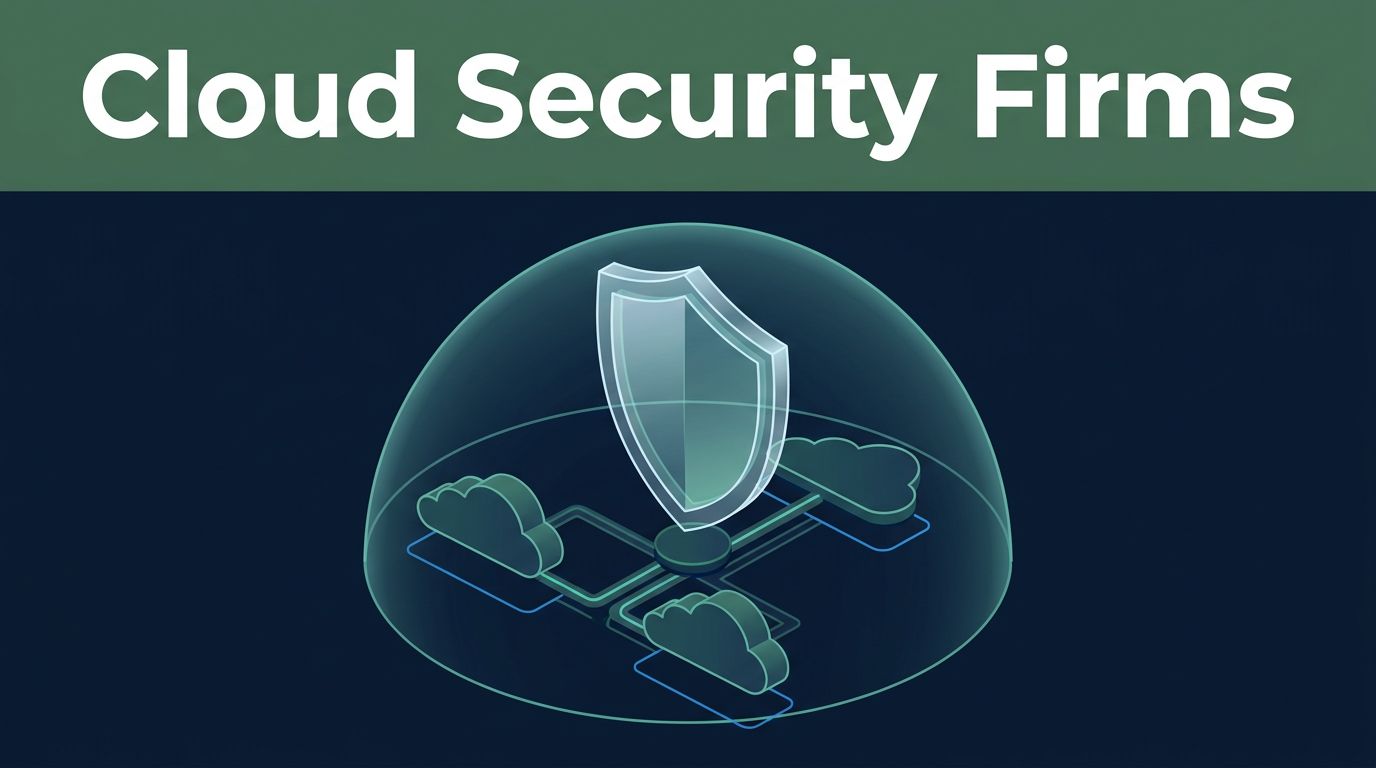
Enterprise cloud environments grow more complex every quarter. Organizations migrate multi-region workloads across AWS, Microsoft Azure, and Google Cloud, creating sprawling digital footprints that internal teams struggle to monitor. Selecting the right external partner among top cloud security consulting firms is critical for maintaining posture and preventing breaches. Security leaders need objective criteria to evaluate providers based on scale, platform expertise, and compliance frameworks.
External consulting partners bring specialized tools and staffing capabilities that internal security teams often lack. Evaluating these providers requires looking past marketing claims to examine delivery models, managed security capabilities, and incident response readiness. Organizations must align partner strengths with their specific cloud architecture and regulatory requirements.
The Enterprise Cloud Security Consulting Landscape for 2025 and 2026
The enterprise security market shifted rapidly over the past twenty-four years. Cloud-native architectures demand specialized defense mechanisms that traditional network security tools cannot support. Security leaders face constant pressure to secure multi-cloud deployments without slowing down software delivery pipelines. Traditional perimeter defenses fail when workloads reside across decentralized public cloud infrastructure.
External advisory partners help organizations map their attack surfaces and implement automated controls. Enterprise CISOs look for providers that understand container security, identity governance, and infrastructure-as-code scanning. Consultancies offer strategic guidance alongside technical implementation support, helping teams bridge skill gaps in specialized domains.
The vendor ecosystem divides into distinct tiers based on delivery scale and service scope. Global systems integrators handle massive multinational migrations and complex compliance mandates. Specialized boutique consultancies focus on deep technical assessments, penetration testing, and rapid incident remediation. Understanding these distinctions helps procurement teams issue requests for proposals that match their organizational maturity.
Industry analysts track these capabilities through structured evaluations and market research. Review platforms like Gartner Security Consulting Services Reviews provide verified user feedback on enterprise delivery performance. Enterprise buyers use these insights to benchmark provider strengths across geographic regions and industry verticals.
Leading Global Providers and Advisory Firms
Global consultancies dominate enterprise RFPs due to their massive scale and broad geographic coverage. Firms like Accenture, Deloitte, IBM Consulting, and HCLTech maintain dedicated security practices with thousands of certified cloud specialists. These organizations operate across multiple continents, supporting multinational enterprises with complex regulatory footprints.
Accenture Security delivers comprehensive cyber strategy, cloud protection, and digital trust solutions. The firm routinely appears in market leadership assessments, including the Everest Group Cloud Security Services PEAK Matrix. Deloitte brings deep risk advisory heritage, helping financial institutions and healthcare providers navigate strict compliance mandates in hybrid environments. IBM Consulting integrates proprietary threat intelligence with cloud migration services, securing workloads from initial architecture design through ongoing operations.
Global integrators excel at large-scale transformations, but they often operate with high overhead and fixed delivery methodologies. Enterprise buyers with rigid timelines and massive budgets benefit from their global bench strength. Smaller organizations frequently find that global tier-one firms lack the agility required for rapid, iterative deployments.
Global providers also rely on proprietary frameworks to accelerate cloud adoption. They deploy automated compliance monitoring tools and pre-built infrastructure templates. These assets reduce deployment timelines, but they require ongoing oversight from internal cloud architects to prevent configuration drift.
Specialized Infrastructure and Managed Service Partners
Mid-market and large enterprises often partner with specialized infrastructure providers rather than massive global integrators. Firms such as GuidePoint Security, Presidio, Rackspace Technology, and World Wide Technology focus heavily on practical cloud engineering and security operations. These organizations maintain deep technical partnerships with hyperscalers and cloud-native security vendors.
GuidePoint Security operates as a dedicated cybersecurity consultancy with extensive public sector and enterprise experience. The firm emphasizes tailored advisory services, technical assessments, and managed detection capabilities. Presidio combines cloud migration expertise with robust security engineering, serving clients in healthcare, financial services, and media sectors. Rackspace Technology provides managed multi-cloud security services across AWS, Azure, and Google Cloud, helping resource-constrained teams maintain continuous monitoring.
World Wide Technology delivers advanced infrastructure and security integration for global enterprises and government agencies. Their secure integration centers test and validate complex hardware and software configurations before deployment. These specialized partners offer a balance of deep technical capability and responsive client service.
Specialized providers avoid the bureaucratic layers common in larger system integrators. Their engineers typically maintain advanced certifications across multiple cloud platforms. Enterprise security teams appreciate working with consultants who understand complex technical configurations without requiring multi-tiered management approvals.
Evaluating Compliance, Scale, and Regulatory Requirements
Compliance mandates dictate security priorities for heavily regulated enterprises. Financial institutions, healthcare providers, and federal contractors must adhere to strict regulatory frameworks, including FedRAMP, HIPAA, PCI DSS, and ISO 27001. Top cloud security consulting firms maintain certified practices that streamline compliance audits and artifact collection.

Consulting partners accelerate compliance by deploying automated policy-as-code guardrails. These tools continuously validate cloud configurations against regulatory frameworks, flagging drift before auditors inspect the environment. Automated compliance reporting reduces manual effort, freeing internal teams to focus on active threat mitigation.
Enterprise scale introduces unique governance challenges that require specialized consulting expertise. Multi-tenant environments require strict access segmentation and centralized logging pipelines. Consultancies design identity architectures that enforce least-privilege access across thousands of cloud accounts.
Regulatory alignment requires continuous validation rather than point-in-time assessments. Effective partners implement continuous control monitoring tools that generate real-time compliance dashboards. Enterprise buyers should examine a prospective partner’s track record with specific regulatory frameworks before signing service agreements.
Formal research methodologies help organizations evaluate vendor credibility across complex regulatory domains. Analyzing market reports such as Gartner Magic Quadrant Research clarifies how leading firms position their service offerings and geographic delivery capabilities. Enterprise procurement teams combine these analyst evaluations with reference checks from similar industry peers.
Key Technical Capabilities to Demand From Cloud Security Consulting Firms
Selecting a consulting partner requires rigorous technical evaluation. Enterprise security leaders must look beyond slide decks to verify hands-on engineering capability across core operational domains. Modern cloud defense requires specialized tooling and deep platform knowledge.
Cloud-native application protection platforms form the backbone of modern runtime security. Consulting partners must demonstrate proficiency with tools like Wiz, Palo Alto Networks Prisma Cloud, and CrowdStrike Falcon Cloud Security. These platforms detect vulnerabilities across container images, serverless functions, and infrastructure code.
Identity and access management remains the primary attack vector for cloud breaches. Effective partners design robust federation models, implement multi-factor authentication enforcement, and monitor privileged identity usage. They integrate cloud identity providers with on-premises directories to maintain consistent access governance.
DevSecOps integration ensures security checks occur early in the software development lifecycle. Consultancies embed security linters, dependency scanners, and container analysis into CI/CD pipelines. This proactive approach prevents misconfigurations from reaching production environments.
Continuous threat exposure management enables organizations to discover external attack surfaces and validate security controls. Top cloud security consulting firms conduct automated attack-surface discovery and adversarial simulation testing. These exercises reveal hidden vulnerabilities before threat actors exploit them in live environments.
Incident response readiness is the final test of any cloud security program. Partners must provide structured playbooks for cloud-specific threat scenarios, including credential compromise and data exfiltration. Tabletop exercises and simulated breach responses validate operational readiness across internal and external teams.
Choosing the Right Partner for Your Enterprise
Choosing a consulting partner requires internal alignment across IT, security, and procurement teams. Organizations must evaluate their internal skill gaps before issuing requests for proposals. A team lacking DevSecOps engineers needs a partner focused on pipeline security rather than executive advisory services.

Budget constraints and timeline pressures also dictate partner selection. Global systems integrators suit massive, multi-year transformations with substantial budgets. Boutique firms and specialized regional consultancies fit targeted projects requiring rapid deployment and specialized technical execution.
Evaluating past performance requires speaking directly with client references from similar industry verticals. Inquire about the partner’s communication style, project management discipline, and knowledge transfer practices. Successful engagements leave internal teams capable of maintaining security controls independently.
Organizations building internal capabilities often supplement their permanent staff through specialist recruitment and advisory partnerships. If your enterprise needs to close technical skills gaps or source senior security leadership, Book A Call With Us to discuss tailored talent solutions.
Conclusion
Securing enterprise cloud infrastructure requires specialized expertise that internal teams rarely possess in isolation. Identifying the right partner among top cloud security consulting firms depends on your organization’s specific technical environment, regulatory mandates, and internal staffing capacity. Global integrators offer unmatched scale for massive transformations, while specialized consultancies deliver targeted technical depth and rapid execution.
Evaluating providers demands rigorous verification of technical capabilities, compliance track records, and operational delivery models. Structured frameworks and independent market research help procurement teams benchmark providers objectively. Prioritize partners who emphasize knowledge transfer, ensuring your internal teams maintain operational control long after the consulting engagement ends.