table of contents
Only 34% of cybersecurity pros plan to stay in their current jobs. Principal cloud security engineers face even steeper odds. Recruiters hound them daily with offers topping $280,000 in high-stakes sectors like finance.
You know the pain. These engineers own multi-cloud accountability, incident response marathons, and cross-team compliance battles. Burnout hits hard because teams run lean. Yet replacing them takes months amid the talent crunch, where 45% of cloud security roles sit empty.
Smart leaders build targeted retention plans now. They cut fatigue, boost autonomy, and track real progress. Let’s break down what works.
Key Challenges in Retaining Principal Cloud Security Engineers
Principal cloud security engineers juggle more than code. They design architectures across AWS, Azure, and GCP. They fix misconfigurations that cause 61% of breaches. And they explain risks to boards during outages.
Stress tops the list at 45% of departures. Incident fatigue drains them after endless alerts. Bad management adds 34% to exits; leaders often undervalue their input. Understaffed teams mean constant overtime.
Salaries reflect the scramble. Principals earn $180,000 to $280,000 base, plus bonuses. Specialties like architects push $300,000. Check TechCloudPro’s 2026 cybersecurity salary guide for location breakdowns.
Demand stays fierce. New grads lack communication skills, a 66% gap. Veterans burn out fast. Half of firms can’t fill roles, per recent reports.

Daily pressures show in their setups: dashboards overload, coffee runs constant. Without change, you lose cross-functional influencers who bridge engineering and execs.
Why These Roles Demand Specialized Retention
Principal engineers differ from juniors. They shape platform-wide strategy. They own cost models, vendor ties, and governance. One wrong call spikes cloud bills or invites attacks.
Recruiter pressure never stops. Firms poach with 15% raises because your annual review lags. Turnover averages 20-25% in security, higher for cloud pros.
Market scarcity bites. Cloud security blends two tough fields. Few master both. AI tools handle routine scans now, so humans tackle strategy. But compliance like GDPR demands deep knowledge.
Flexibility matters most after money. Hybrid setups with 1-2 office days win. Yet many firms stick to full remote or rigid policies. Poor culture accelerates exits.
See KORE1’s guide on hiring cloud engineers in 2026. It stresses ongoing learning because platforms update weekly. Engineers bolt without growth paths.
You can’t buy loyalty alone. Principals seek impact. They want to lead migrations, not just patch holes.
Essential Components of a Retention Plan
Start with compensation tweaks. Do semi-annual reviews against market data. A $15,000 bump keeps a $180,000 earner from jumping ship, saving $270,000 in replacement costs.
Fund training heavy. Allocate $5,000 per year for CCSP, CISSP, or SANS. Send them to re:Invent. This tops requests and fights skill gaps.
Build clear career ladders. Map analyst to principal to CISO tracks. Regular chats outline next steps, not just yearly reviews.
Ease burnout with mentorship. Pair them with peers for debriefs post-incident. Cut tool sprawl; 30 platforms kill focus. Consolidate to five core ones.
Promote autonomy. Let them own multi-cloud decisions. Give budget for experiments. Cross-functional seats on product councils amplify impact.
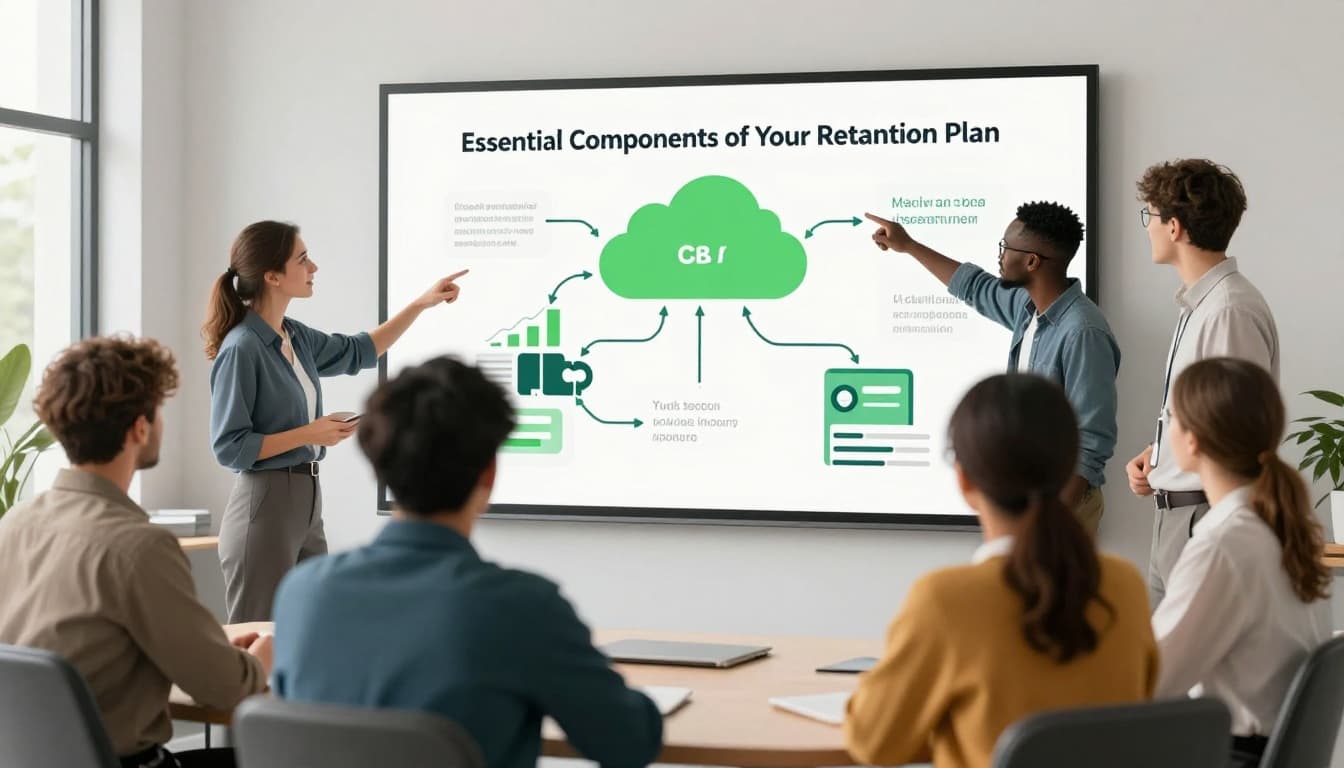
Teams thrive in open brainstorms. Principals stay when they shape strategy, not just execute.
Flex work seals it. Hybrid models cut stress 30%. Add wellness days after major responses.
Tailor plans per person. One engineer craves conferences; another wants internal mobility. Track via quarterly pulse surveys.
Fostering Autonomy and Cross-Functional Influence
Principals shine with ownership. Assign them cloud governance frameworks. Let them veto risky configs before deploy.
Cross-team access builds buy-in. Seat them in engineering all-hands. They translate threats into business risks, earning respect.
Incident fatigue fades with rotation. Rotate on-call so no one owns 24/7. Automate alerts with AI for routine triage.
Strategic projects retain best. Task them with cost optimization saving millions. Or zero-trust rollouts across orgs.
National CIO Review covers retention risks. Clear roles and recognition tie to stability.
Culture shifts help. Celebrate wins publicly. Principals influence culture; ignore them at your peril.
Measuring Retention Success with KPIs
Track what matters. Don’t guess; use data.
Set baselines quarterly. Aim for under 15% turnover in cloud security.
Here’s a simple KPI table:
| KPI | Target | How to Measure | Why It Matters |
|---|---|---|---|
| Turnover Rate | <15% annually | (Exits / Average Headcount) x 100 | Spots flight risk early |
| Satisfaction Score | >85% | Quarterly NPS surveys | Gauges burnout, support |
| Promotion Rate | 20% yearly | Promotions / Eligible Staff | Shows growth paths work |
| Training Completion | 90% | Certifications earned | Builds skills, loyalty |
| Incident Fatigue Index | <3/5 | Post-response surveys | Flags overload |
Before diving in, align on definitions. For example, turnover excludes retirements.
After six months, review trends. Green upward arrows signal wins.
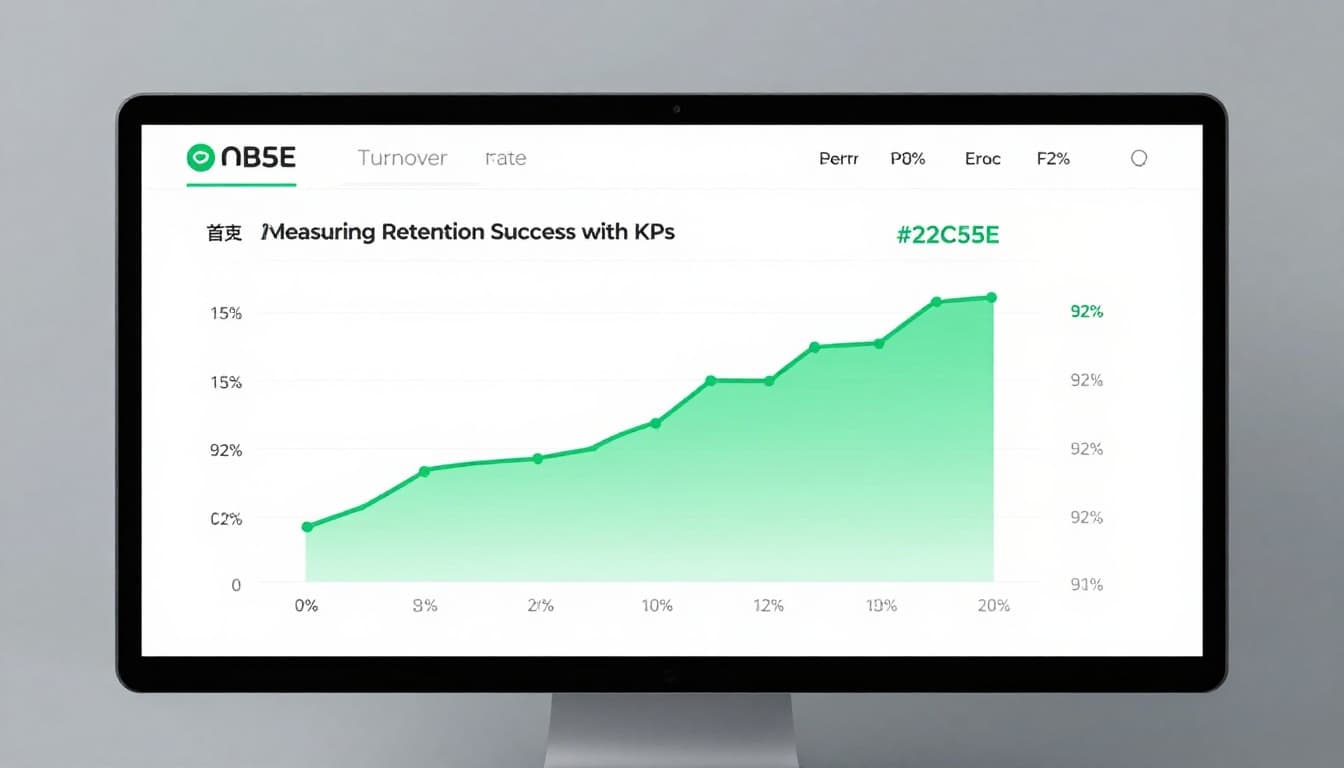
Dashboards make progress visible. Tie to bonuses for accountability.
TechWeb outlines 10 retention boosts, including turnover drops as proof.
Adjust fast. If satisfaction dips, add mentors.
Conclusion
Principal cloud security engineers stay for autonomy, growth, and impact, not just pay. Target burnout with rotations and training. Measure with turnover under 15% and satisfaction above 85%.
Firms that act now beat the 45% vacancy rate. They save on $270,000 replacements and build stronger postures.
Ready to customize? Book a Discovery Call with Bud Consulting for your team’s plan.