table of contents
A clean pen test report can go stale fast. New cloud assets, rushed releases, and identity changes can open attack paths days after testing ends.
That is why the CTEM penetration testing debate keeps coming up in security planning. For ongoing exposure validation, this is not an either-or choice. Pen testing gives depth at a moment in time, while CTEM gives continuity over time.
What penetration testing still does best
Penetration testing is a controlled attempt to breach a defined scope. It asks a direct question: could a skilled attacker exploit these assets right now, and what would that path look like?
That point-in-time focus is a strength, not a flaw. A good tester chains weaknesses, spots logic issues, and shows impact in a way scanners rarely can. For example, they may combine a weak admin workflow, token reuse, and over-broad IAM rights into one realistic path to data access.
Pen tests also help when you need depth before a launch, after a major architecture change, or for customer and audit demands. They are especially useful for apps, APIs, identity flows, and internal segmentation, where business logic matters as much as CVEs.
Still, they age quickly. A test reflects the environment on test day, not the environment two sprints later. That is why many teams are moving beyond annual cycles, a shift described in Cobalt’s guidance on moving from annual VAPT to CTEM.
Imagine an external pen test in May. The team validates VPN hardening and MFA, then closes the report. In June, a new SaaS admin panel appears, a service account keeps legacy rights, and a forgotten subdomain exposes an old login page. The test was good, but the exposure picture changed.
In short, pen tests are high-value snapshots, not movie cameras.
How CTEM changes exposure validation
CTEM is a continuous, programmatic way to find, rank, validate, and fix exposures. It does not start and end with a report. Instead, it runs as a loop tied to real assets, real attack paths, and business context.
Industry reporting through early 2026 shows why this matters. Awareness is high, yet operational use is still low. Some summaries put awareness near 87%, while only 16% of large organizations have mature CTEM programs in place. Those same reports repeat Gartner’s view that CTEM adopters may be up to three times less likely to suffer a breach, but that figure is still best treated as directional.
CTEM usually follows five stages: scoping, discovery, prioritization, validation, and mobilization. Vectra’s CTEM overview gives a useful summary of that model and why validation is the part many teams skip.
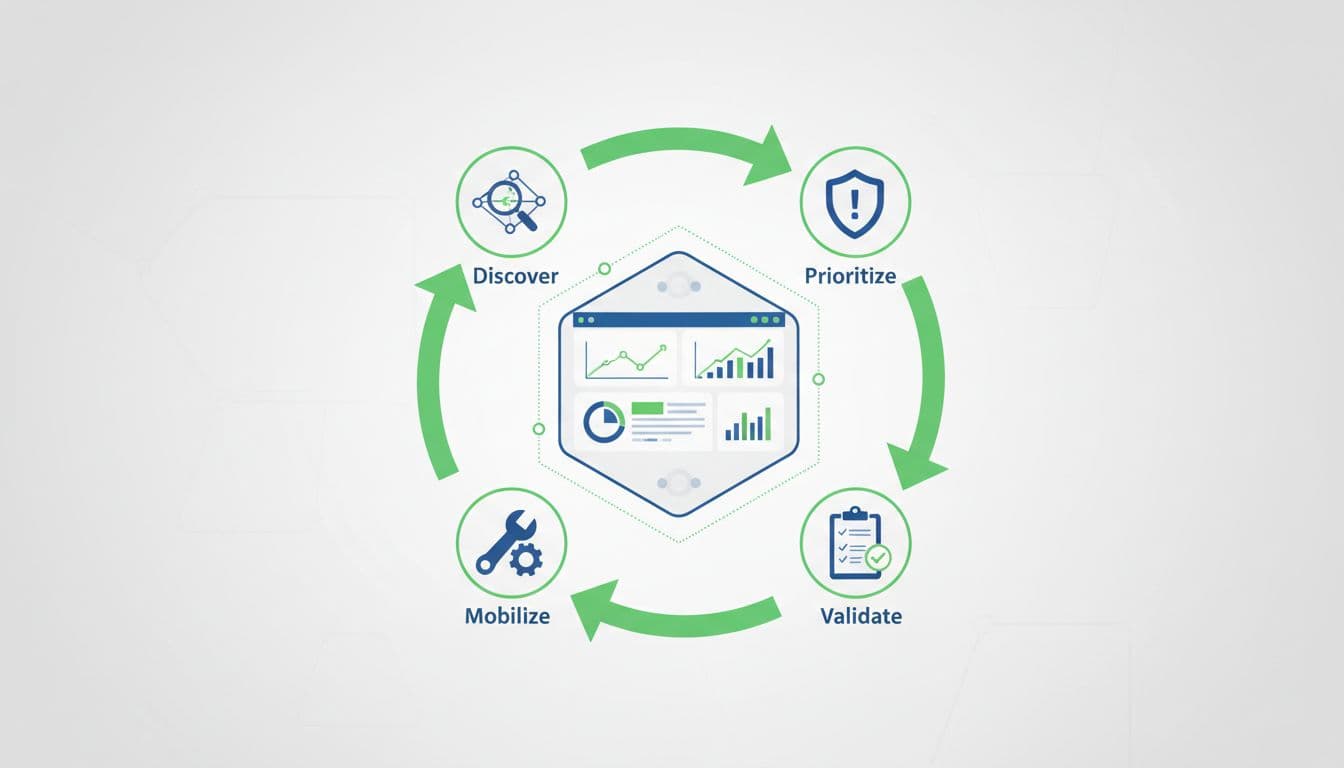
The practical difference is simple. CTEM asks which exposures matter now, which ones are reachable, and which ones can lead to business harm. That is broader than scanning and more durable than a one-off exercise.
A pen test is a snapshot. CTEM is the operating cycle that keeps the picture current.
For example, a CTEM program might discover an exposed staging host, link it to SSO misconfiguration, validate token reuse, and then show that the path reaches a production support console. That sequence gives the SOC, vulnerability team, and app owner one shared priority instead of three disconnected tickets.
It also helps teams cut noise. As this comparison of CTEM, pen testing, and vulnerability management points out, vulnerable does not always mean exploitable. CTEM tries to prove that difference before the team burns time on every high-severity finding.
Choosing the right mix for ongoing exposure validation
The better question is not CTEM or penetration testing. It is where each method fits in your exposure validation program.
A quick side-by-side view helps:
| Area | Penetration testing | CTEM |
|---|---|---|
| Time frame | Point-in-time assessment | Continuous program |
| Main goal | Show how an attacker could break in now | Keep exposures visible, ranked, and validated over time |
| Best at | Human-led chaining, logic flaws, deep exploit work | Attack-surface coverage, prioritization, repeatable validation |
| Scope | Usually fixed and negotiated | Adjusts as assets, identities, and priorities change |
| Output | Findings report with attack narrative | Ongoing backlog tied to risk and remediation |
| Limits | Ages fast, limited frequency | Needs process discipline, data quality, and owner alignment |
The takeaway is clear. CTEM does not replace deep human testing. It makes that testing more timely and better aimed.
This is why mature teams schedule pen tests from CTEM outputs, not from a fixed calendar alone. When the program flags a new internet-facing service or a risky identity path, a human-led exercise can confirm blast radius and control failure.
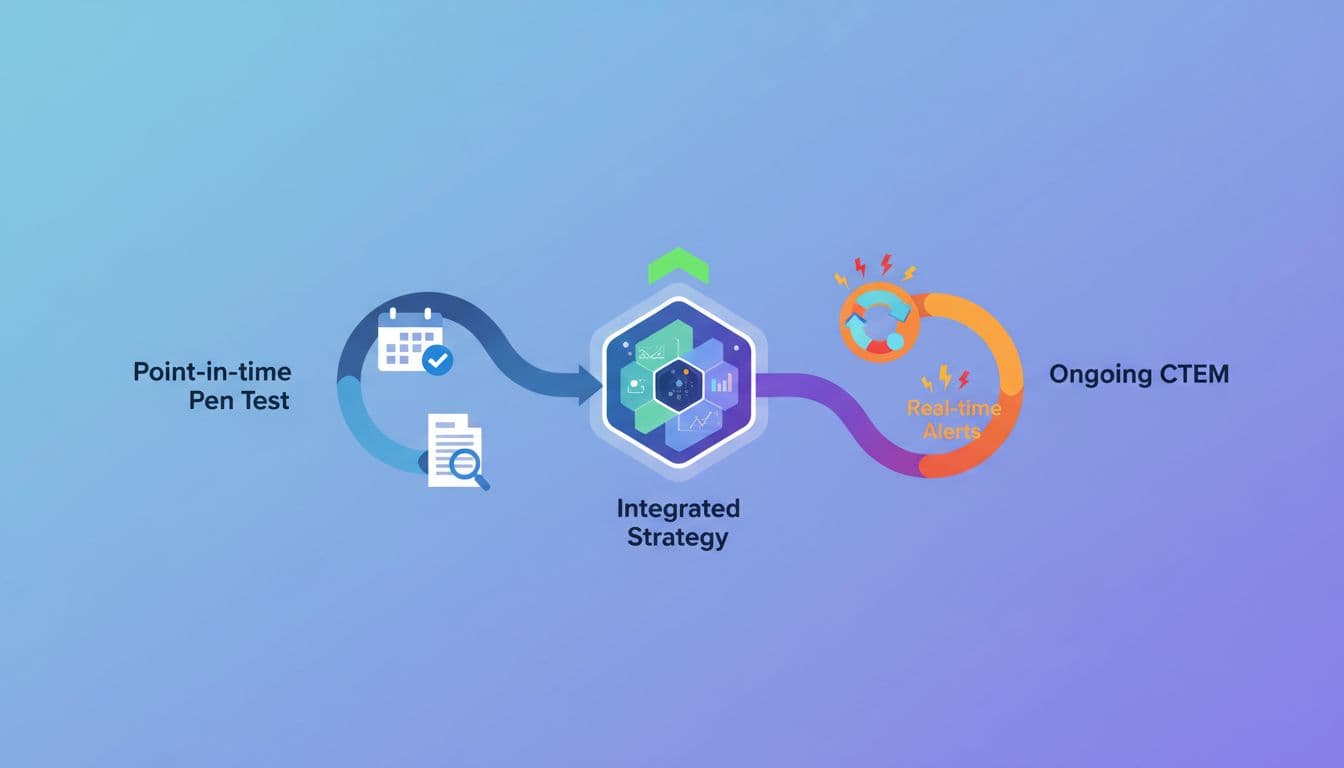
For most organizations, a practical model looks like this:
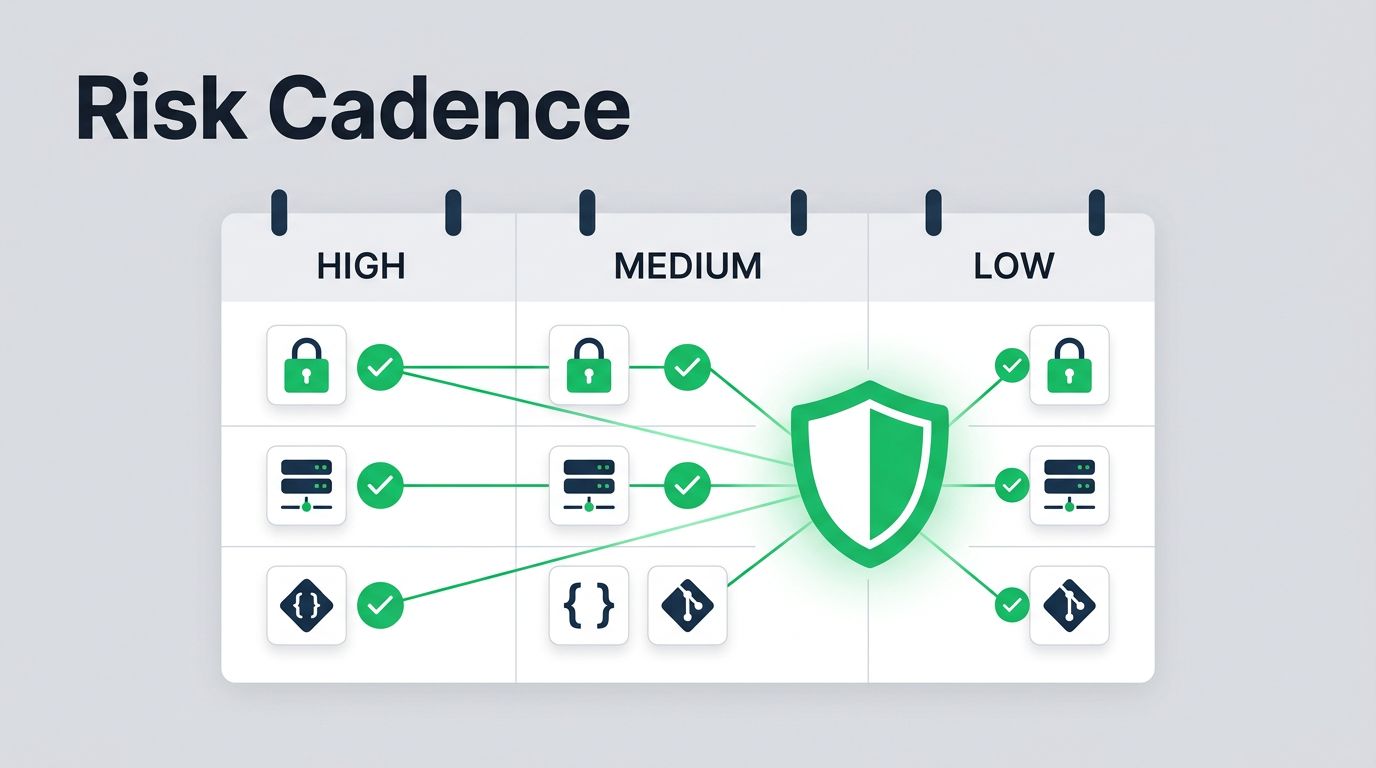
- Use CTEM to set the cadence: Continuously map internet-facing assets, identity exposure, cloud drift, and reachable attack paths.
- Use pen tests for depth: Bring in testers for crown-jewel apps, major releases, segmentation reviews, and areas where human creativity matters.
- Validate before you escalate: If a finding is severe on paper but not reachable in practice, treat it differently from a live attack path.
- Mobilize owners fast: Tie exposures to system owners, business services, and fix deadlines, or the program turns into another alert queue.
A mature CTEM penetration testing strategy also needs metrics. Track validation rate, time to remediate verified exposures, exposure recurrence, and coverage of critical assets. Those measures say more than raw vuln counts.
The common failure is treating CTEM as another scanner feed. If scoping is weak, validation is shallow, or owners are unclear, the loop stalls. Likewise, if pen tests never feed back into scoping and prioritization, the same classes of exposure return quarter after quarter.
The bottom line
A clean report is useful, but it is not current for long. That is the core issue with relying on pen testing alone for ongoing exposure validation.
The strongest programs pair continuous CTEM with focused human-led testing. One keeps your exposure picture fresh. The other proves depth where it matters most.
If your team still treats validation as an annual event, start smaller and more often. The first step is not another dashboard, it is deciding what must stay continuously testable.