table of contents
A cyber incident can expose a company twice, first through the attack, then through the message it sends about the attack. If the response sounds confused, slow, or defensive, trust drops fast.
That’s why hiring a cyber crisis communications manager is now a core business decision, not a public relations side task. The right person can keep legal, security, IT, and leadership aligned while the clock is running.
Why this hire needs a seat at the response table
A modern breach response is bigger than a press release. Customers want clear updates, employees want direction, regulators want accuracy, and executives want a path to control the story before rumors fill the gap.
The role has also changed in 2026. Ransomware, supply chain exposure, and data theft all create different message paths, and each one has different legal and reputational risk. A strong hire knows the difference and writes for each audience without sounding scripted.
That’s why it helps to look at real role expectations. A cyber communication and reputation role at Schneider Electric shows how this job can combine incident messaging, sentiment tracking, and post-incident review. It is not a media-only role. It is a response role.
A good candidate should think in stages. They should prepare the company before a breach, guide the response during the event, and help the organization recover after it.
What strong candidates can do before, during, and after a cyber crisis
The best candidates do not wait for a headline to start working. They build the message system before the breach lands.
Before the incident
Before a crisis, they should be able to build message templates, define approval paths, and map who speaks for the company. They should also know how to keep backup channels ready if email or chat systems go down.
That includes employee alerts, customer notices, press statements, executive briefings, and regulator-facing language. In a ransomware scenario, they should know how to hold the line while facts are still moving. They also need to help run tabletop exercises so leaders know what to do under pressure.
During the incident
During a live event, the job turns into triage. The candidate needs to work with security and IT to confirm facts, with legal to review wording, and with leadership to keep decisions fast.
They should be able to write a holding statement that is calm, direct, and truthful. They should also know when to say what the company knows, what it does not know, and when the next update will come. If they start guessing, they create a second problem.
After the incident
After the first wave passes, the work is not done. The right person leads the post-incident review, checks which messages worked, and helps repair trust with the groups that matter most.
That means debriefs with internal teams, media follow-up, customer communication, and a clearer playbook for the next event. A strong candidate can point to lessons learned, not just the final statement they sent.
Good crisis communication is measured in calm, clear updates, not clever wording.
A useful way to test this skill is to ask for examples. What did they send in the first hour? What did they hold back until facts were confirmed? How did they update the next day?
Cross-functional collaboration is the real test
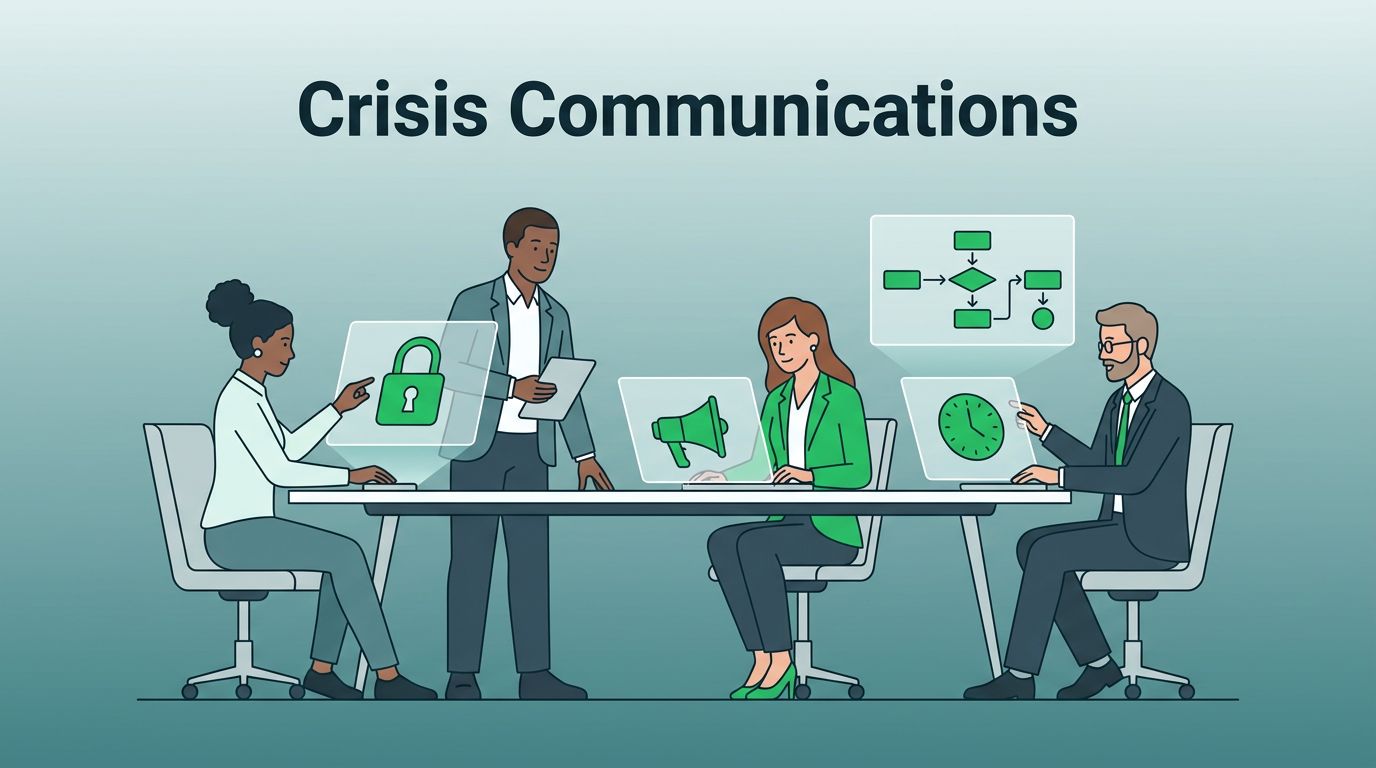
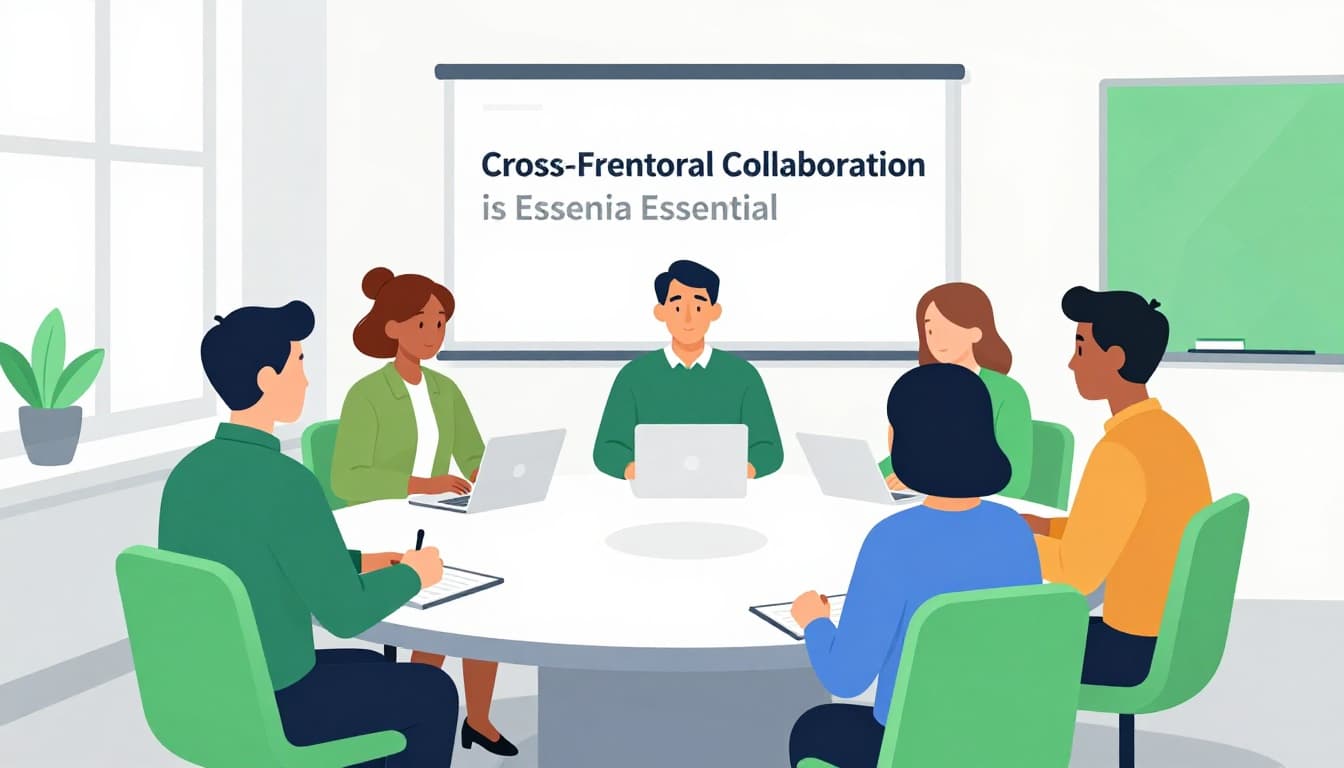
The role only works when the candidate can move across teams without friction. That means they need to speak the language of legal, IT, security, HR, and the executive team.
The cybersecurity and data privacy communications work at FTI Consulting is a useful benchmark here. It shows how often the job includes approval chains, stakeholder triage, and live incident coordination.
In practice, the candidate should know how each team contributes:
- Legal defines disclosure risk and wording limits.
- Security and IT confirm facts, scope, and containment status.
- HR manages employee communication and internal behavior risks.
- Executives set tone, speed, and decision priority.
The best hire keeps these groups aligned without slowing the response down. They ask for the facts early, push for concise approval paths, and stop message drift before it spreads.
They also need to be comfortable when systems are down. If a ransomware event disrupts normal communication tools, they should already know the backup path. That is where planning becomes visible.
A practical scorecard for interviews and work samples
A resume can tell you where someone worked. It cannot tell you whether they can handle a breach at 2 a.m. A short work sample or scenario exercise is far more useful.
Use a simple scorecard like this:
| Interview area | What strong looks like | Good evidence to ask for |
|---|---|---|
| Crisis writing | Clear, calm, plain language under pressure | A draft holding statement for a ransomware event |
| Incident coordination | Fast alignment with legal, IT, and security | A walkthrough of who approves what and when |
| Regulatory judgment | Knows when to notify and what not to speculate on | An example of handling regulator-sensitive messaging |
| Stakeholder messaging | Adjusts tone for employees, customers, media, and board members | Sample FAQs or update emails from prior incidents |
| Recovery support | Can help rebuild trust after the first response | A post-incident review outline or lessons learned summary |
The takeaway is simple. Hire for judgment, not just polish. A smooth speaker who cannot work with legal or security will struggle fast.
A live exercise helps too. Give the candidate a brief breach scenario, then ask for a first-hour statement, a staff update, and three follow-up questions they expect from media or customers. Watch how they handle uncertainty.
If you want help comparing candidates against a real cyber incident brief, Book a Discovery Call with Bud Consulting.
Common hiring mistakes that cause trouble later
Many teams make the same mistakes when they hire for this role. The cost shows up later, when the company needs fast, clean communication.
One mistake is hiring a general PR manager with no incident experience. Media skill helps, but cyber incidents need a different mix of speed, legal awareness, and technical calm.
Another mistake is hiring someone from security who cannot write for humans. A technical expert may understand the breach, yet still send messages that confuse employees or scare customers.
A third mistake is skipping the tabletop test. If the candidate has never worked through a breach scenario, you do not know how they handle pressure.
A fourth mistake is vague authority. If the person cannot get access to facts, approvals, and decision-makers, the role will fail when it matters most.
A fifth mistake is ignoring the after-hours reality. Breaches do not wait for business hours, and neither should your communication plan.
If a candidate cannot explain the next update, they are not ready for live incident work.
Ask about ransomware directly. Ask how they would handle a ransom note, a service outage, and a wave of employee questions at the same time. The answer should be concrete, calm, and tied to action.
Conclusion
Hiring a cyber crisis communications manager is really about buying time, trust, and control when the company is under stress. The strongest candidates write clearly, work well across teams, and stay steady when the facts keep changing.
If you remember one thing, make it this: hire for live-incident judgment, not just communication style. When a breach hits, the right person helps the company speak with one voice, and that voice matters more than ever.