table of contents
Picture this. You fix a client’s firewall flaw, but a hacker slips through anyway. Now they sue you for millions in losses. Does your standard business policy cover that? Probably not.
Cyber liability insurance steps in here. It protects cybersecurity consultants like you from breach costs, lawsuits, and downtime. Clients demand it more each year, especially in regulated fields. Insurers also check your own security before they quote.
You handle sensitive data daily. So let’s break down when you need this coverage, what it includes, and how to meet 2026 expectations.
Why Cybersecurity Consultants Face Unique Risks
Cybersecurity work puts you in the hot seat. You advise on defenses, but if a breach happens, fingers point your way. Clients see you as the expert, so they hold you accountable.
Take healthcare providers. They follow HIPAA rules and often require vendors to carry cyber liability insurance at $2 million or more per claim. Finance firms do the same under GLBA standards. Without proof, you lose the contract.
Solo consultants feel this pinch too. A single bad review spreads fast online. In 2026, average breach costs hit $10 million in the US, per recent reports. Your policy covers legal fees, settlements, and notification expenses.

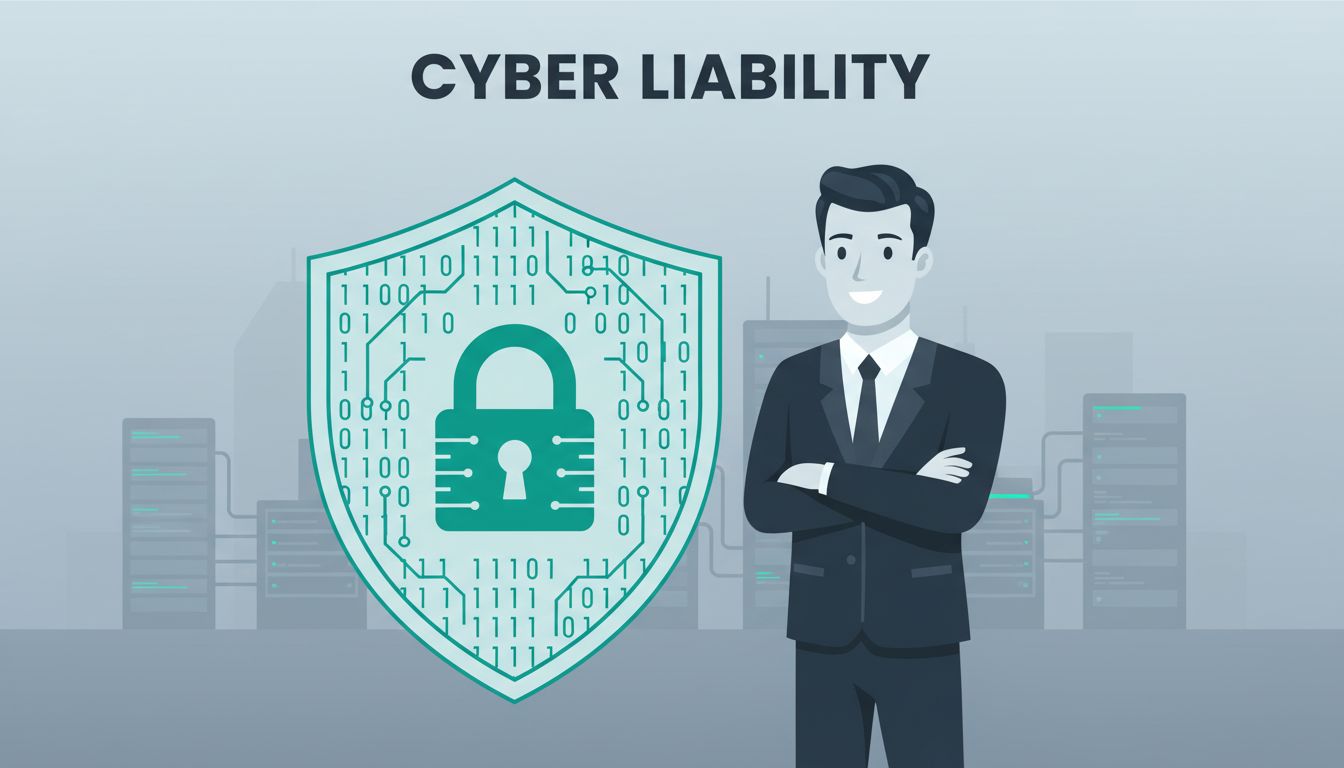
This image shows the daily grind. You review risks, but threats lurk. Coverage buys peace of mind.
Regulated industries ramp up demands. For example, government contractors need it for CMMC compliance. Small firms skip it at their peril; one claim wipes out years of revenue.
Key Types of Coverage You Should Consider
Cyber liability insurance splits into first-party and third-party protection. First-party handles your direct losses, like system fixes or ransom payments. Third-party covers client claims against you.
Policies vary by carrier. Some bundle errors and omissions (E&O) coverage for advice gone wrong. Others add media liability for PR fallout.
Here’s a quick comparison:
| Coverage Type | What It Protects | Typical Limit for Consultants |
|---|---|---|
| First-Party | Your breach costs, downtime | $1M–$5M per incident |
| Third-Party | Client lawsuits, regulatory fines | $2M–$10M aggregate |
| E&O Add-On | Negligent advice claims | $1M per claim |
This table highlights basics. Always match limits to your contracts. In 2026, insurers push for $5 million minimums on high-risk work.

Compare options like this to pick the right fit. Broader policies cost more upfront but save headaches later.
Check cyber insurance requirements by sector for industry specifics. Trends show AI risks entering policies too, like privacy suits from chatbots.
Legal Requirements Versus Contractual Demands
No federal law forces cybersecurity consultants to buy cyber liability insurance. States don’t mandate it either. You operate legally without it in most cases.
However, contracts change everything. Clients add clauses requiring proof of coverage before you start. Vendors in supply chains do the same. Miss it, and you walk away empty-handed.
For instance, universities demand $5 million limits from IT consultants. Defense firms tie it to DFARS rules. MSSPs face it from every client they touch.
Distinguish these clearly. Legal means government mandates. Contractual comes from private deals. Best practice? Get covered anyway. It shields your business from surprises.
What Clients Expect in Contracts
Clients spell out insurance needs upfront. They want certificates naming them as additional insureds. Limits start at $1 million but climb for big projects.
Regulated sectors lead the pack. Healthcare asks for HIPAA-aligned policies. Finance requires SOC 2 proof alongside insurance. Even small businesses check now, thanks to rising breach costs.
In 2026, contracts often mandate quick breach notices to clients. Your policy must align, or you pay out of pocket.

Sealing the deal often includes insurance talks. Build trust by showing your certificate early.
See cyber insurance for professional firms for contract examples. Negotiate limits that fit your scale; solos rarely need $10 million.
Insurer Demands in 2026
Carriers tightened rules this year. They reject or hike premiums without proof of controls. Expect questions on MFA, EDR, and incident plans.
Key must-haves include:
- MFA on all accounts, especially email and cloud tools.
- EDR on every endpoint.
- Annual staff training with phishing sims.
- Written incident response plan, tested yearly.
Weak spots like poor IAM lead to denials. Document everything; auditors verify.
For details on 2026 cyber insurance requirements, review checklists from carriers like Coalition. Shop multiple quotes to find competitive rates.
Steps to Secure the Right Policy
Start with a risk assessment. List clients, data types, and past audits. Then contact brokers specializing in tech firms.
Tailor coverage to your niche. Independent contractors pick basics. Firms add umbrella policies.
Budget 1-3% of revenue for premiums. Low-risk setups see stable prices in 2026.
Cyber insurance for consultants guide offers provider lists. Compare apples to apples.
Ready to strengthen your setup? Book a Discovery Call with Bud Consulting to discuss talent and risk strategies.
Clients demand cyber liability insurance more than ever. It protects against breaches and suits, even if not legally required. Meet contractual needs and insurer checks to stay competitive.
Get quotes now. Document your controls. Your next contract depends on it. What risks keep you up at night?
(Word count: 982)