table of contents
Compliance work gets messy fast when deadlines, evidence, and technical details pile up. Through compliance consulting, a good cybersecurity compliance consultant can cut through that mess, shorten audit prep, and keep your team from rebuilding the same work twice.
If you’re facing SOC 2, ISO 27001, HIPAA, PCI DSS, NIST, CMMC, or GDPR regulatory compliance work in 2026, templates alone won’t get you there. You need someone who can turn requirements into clear tasks, then help your team finish them.
The right consultant doesn’t just prepare you for an audit. They help you build a compliance process your business can keep using.
Key Takeaways
- A cybersecurity compliance consultant cuts through compliance mess for SOC 2, ISO 27001, HIPAA, and more, shortening audit prep and building sustainable processes your team can own long-term.
- Look for hands-on deliverables like gap analysis, control mapping, remediation planning, testing schedules, and audit support—not just vague advice.
- Consultants excel for SMBs with deadlines or lean teams, bridging gaps automation and internal staff can’t fill alone, especially amid 2026 trends like continuous monitoring and vendor risk.
- Before signing, ask about recent framework experience, clear deliverables, communication cadence, and how they integrate with your IT, legal, and ops teams.
Why a consultant can save more than it costs
Many teams try to handle cybersecurity compliance with a few internal owners, a growing spreadsheet, and a lot of late-night follow-up. That usually works until the first customer request, audit, or regulator deadline lands.
A consultant helps you avoid that scramble. They spot gaps early through a security assessment, reduce wasted internal effort, and keep the project moving when your team gets pulled into other work. Just as important, they help improve security maturity, not only audit output.
In 2026, that matters even more. Faster incident response, tighter vendor oversight, and more pressure on leadership mean compliance is tied to real business risk management. It’s no longer a once-a-year document project.
What the right consultant should handle
A strong consultant brings structure. They should not drown you in vague advice or long calls that don’t move the work forward.
Look for help with these tasks:
- Gap analysis: They compare your current controls to the framework and show what’s missing.
- Control mapping: They tie policies, technical settings, and evidence to each requirement.
- Remediation planning: They set priorities so your team fixes the right security controls first.
- Testing schedules: They coordinate penetration testing and vulnerability management to ensure timely remediation.
- Audit prep: They help you gather evidence, answer auditor questions, and avoid rework.
- Ownership clarity: They define who does what, so nothing sits in limbo.
If a consultant can’t explain their deliverables in plain language, keep looking. You want proof of method, not just confidence.
Ask for examples, not promises. A good consultant can show how they reduced audit friction on past projects.
Consultant, internal team, or automation alone?
A lot of buying decisions come down to speed, cost, and how much expertise you already have. This quick comparison helps frame the tradeoff.
| Option | Strengths | Weak spots | Best fit |
|---|---|---|---|
| Consultant | Fast compliance assessment, audit prep, and tailored guidance | Higher short-term cost | SMBs with deadlines, lean teams, or vCISO services needs |
| Internal team | Deep company context and long-term ownership | Slow if skills are missing | Mature teams with time and experience |
| Compliance automation alone | Good for evidence collection and reminders | Can’t design your program, fix weak controls, or provide managed security services | Teams that already know the framework |
The pattern is clear. Automation helps, but it doesn’t replace judgment. Internal teams know the business, but they may lack time or framework depth. A consultant fills the gap when speed and accuracy both matter.
Frameworks that matter in 2026
The best consultants don’t treat every framework the same. SOC 2, ISO 27001, HIPAA, PCI DSS, the NIST framework, CMMC, GDPR (focusing on data privacy), HITRUST, FedRAMP, and CCPA each create different evidence needs and different pressure points.
For example, if you’re comparing ISO work, this guide on hiring an ISO 27001 consultant gives a useful view of scope and fit. For SOC 2, how to choose the right partner is a helpful reference point.
In 2026, three themes stand out. First, monitoring is becoming more continuous, not annual. Second, vendor risk management and supply chain oversight now receive more attention. Third, identity controls matter more because stolen logins still open too many doors.
That means your consultant should think beyond policies. They should help with identity, evidence flow, vendor review, and the way controls work in real operations.
How to choose the right fit
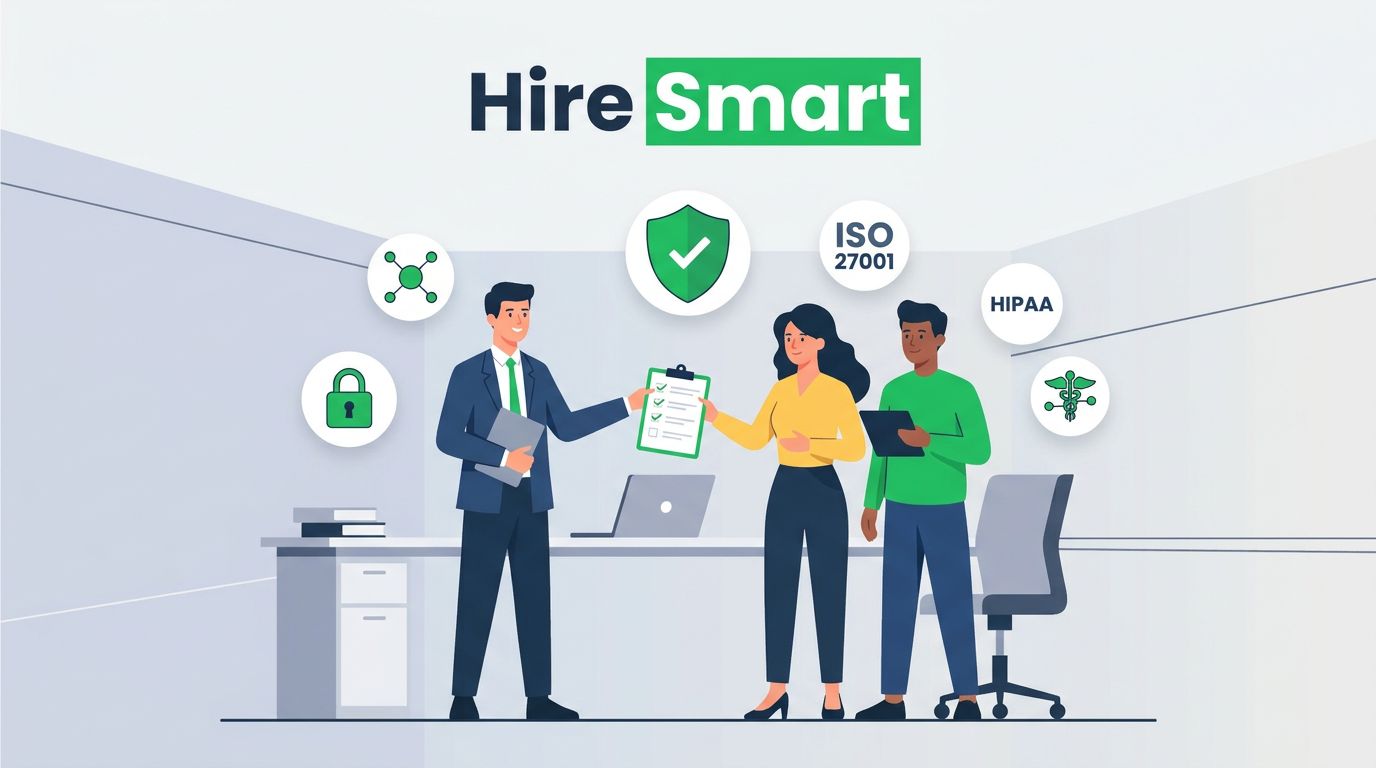
Before you sign, ask direct questions. You want someone who can work with your team, not around it.
- Which frameworks have you handled in the last 12 months?
- What is your experience with financial regulations applicable to our business industry?
- What deliverables will I own at the end?
- How do you work with IT, legal, and operations?
- Will you help build a long-term information security program?
- Will you map evidence to controls, or only advise on gaps?
- How do you keep projects moving when priorities shift?
You should also ask how they handle communication. A weekly status note and a clear action list can save a lot of wasted time.
If you want help narrowing the field, Book a Discovery Call with Bud Consulting and compare your needs against the scope you already have in mind.
FAQ: buying questions before you sign
How much does a cybersecurity compliance consultant cost?
Pricing depends on scope, framework, and how far along you already are. A focused readiness review costs less than a full program build.
Ask for a fixed scope or at least clear assumptions. That makes it easier to compare bids without hidden work later.
How long does compliance readiness take?
The timeline depends on your starting point. A simple compliance assessment may take weeks, while full SOC 2 or ISO 27001 prep often takes months.
If your controls are scattered, expect the work to take longer. A consultant can still shorten the path by removing guesswork.
What deliverables should be in the contract?
At minimum, look for a gap review, a remediation roadmap, a control map, and audit support. A consultant helps prepare for an IT audit and assists in achieving a compliance certification. Many teams also need policy updates, evidence guidance, and a risk register.
The contract should say who owns each task. That avoids confusion when deadlines get close.
What should I ask before I sign?
Ask about past framework experience, deliverables, communication cadence, and how they work with your internal team. Also ask how they handle scope changes.
A strong answer sounds specific, such as detailing their track record with regulatory compliance projects. If the response stays vague, that’s a warning sign.
A smarter path to readiness
The best compliance projects feel organized, not frantic. That happens when the consultant brings structure, your team stays involved, and the work is tied to business goals.
If you’re trying to reduce audit delays, strengthen risk management, achieve cybersecurity compliance, avoid wasted internal effort, and raise security maturity at the same time, the right cybersecurity compliance consultant can make that much easier by integrating effective risk management strategies and ensuring cybersecurity compliance.