table of contents
A good cybersecurity consultant case study reads like a repair log, not a sales pitch. It shows what broke, how the team responded, and what changed for the business.
That matters because security buyers need proof, not promises. You want to see lower risk, less downtime, cleaner compliance, and faster response, not a list of tools.
What strong case studies should prove
The best cybersecurity consultant case studies follow a simple arc, baseline, change, result. They explain where the gap was, what the consultant changed, and how success was measured.
That structure matters now. Recent 2026 breach patterns still point to basic problems, weak setup, too much access, and third-party exposure. If a case study skips those details, it hides the part decision-makers need most.
Published examples like HOOP Cyber’s retail security transformation help because they connect security work to business outcomes, including cost reduction and faster delivery. Good stories do the same thing for risk.
A useful case study should answer four plain questions:
- What was the business pain?
- What did the consultant change?
- How fast did the team see results?
- What improved after the fix, in numbers or clear outcomes?
A case study is only useful when it shows what changed in the business, not just which tools got installed.
A mid-sized retailer that needed control fast
Ransomware often exposes a simple truth, many teams have more risk than they realize. In one anonymized retail case, a mid-sized company lost access to shared files and reporting after a phishing email opened the door.
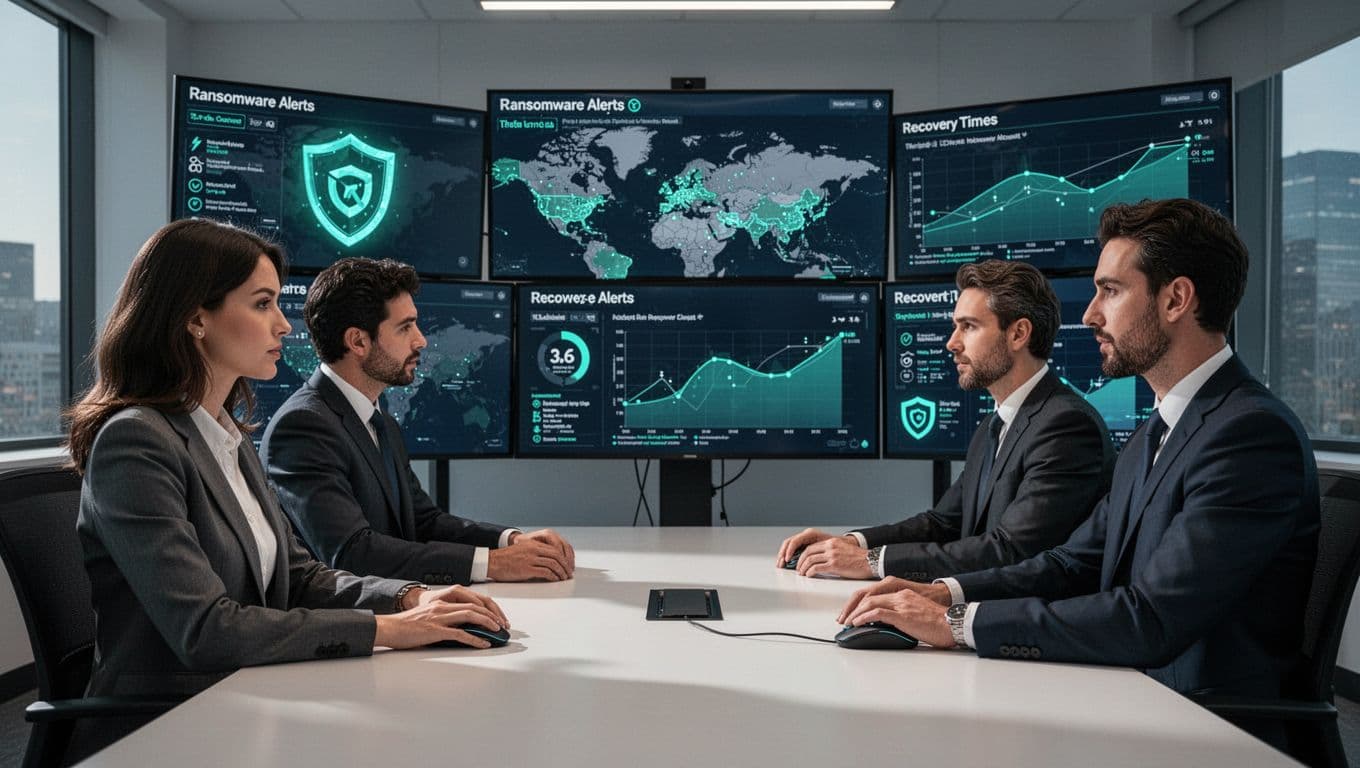
The consultant started with containment, then moved into backup validation, admin-rights cleanup, and incident playbooks. That sequence mattered because the business needed to reopen safely, not just remove malware.
Within two weeks, the retailer had restored core operations, trimmed repeat alerts, and cut the time needed to recover key systems. The real win was not technical polish. It was fewer hours of lost sales and less chance of a second hit.
That pattern matches the kind of outcome seen in multi-site malware recovery work, where the recovery plan has to protect operations as much as systems. When consultants treat recovery like a business problem, the results hold up better.
A fintech startup that needed cloud guardrails
Cloud growth can move faster than governance. One anonymized fintech startup had split workloads across several cloud accounts, but its access rules had drifted badly.

Developers had access they no longer needed. Logs lived in different places. Audit evidence took days to gather. The consultant rebuilt role-based access, added policy checks in CI/CD, and mapped which data paths needed tighter control.
As a result, the team reduced manual review time and made access approvals easier to handle. It also improved audit readiness, which mattered because the company planned to scale and could not afford messy controls.
This is where SOC in a Box’s cloud enterprise case study fits well. The headline lesson is simple, when monitoring is tuned properly, signal noise drops and analysts can focus on what matters.
For buyers, that is the point. A cloud case study should show how the consultant reduced confusion, not just how many dashboards were added.
A healthcare provider that turned compliance into a routine
Healthcare teams often don’t lack policy documents. They lack proof that the controls work every day.
One anonymized provider had scattered access reviews, inconsistent logging, and different teams owning different parts of the same control. The consultant built a control map, set evidence rules, and assigned clear owners for each step.
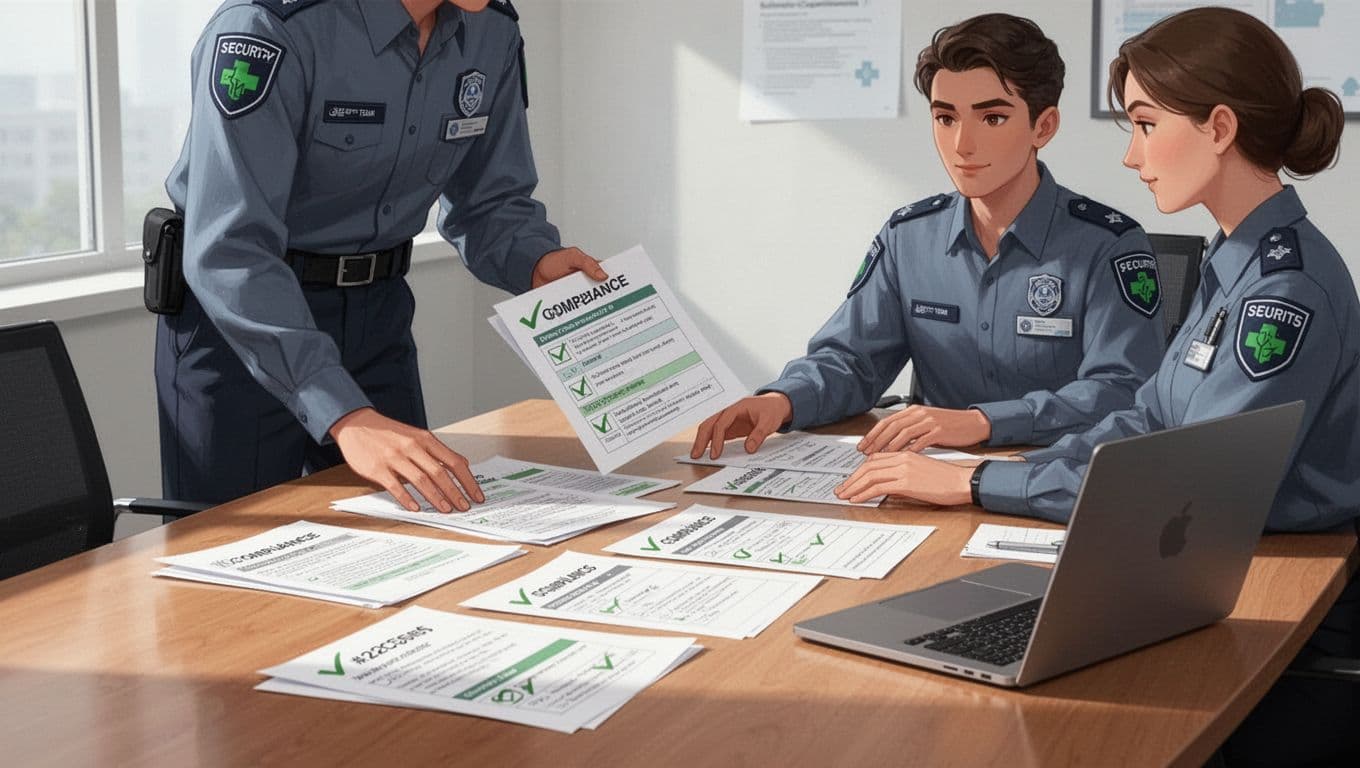
That work changed the rhythm of the business. Audit prep took less scrambling. Exceptions became visible. Managers knew where access reviews were late, and leadership could see which controls needed more attention.
The technical fix mattered, but the governance fix mattered more. Once ownership was clear, compliance stopped feeling like a once-a-year crisis. It became part of normal work.
That is the strongest signal in a consultant case study. If the fix depends on one heroic person, it won’t last. If the fix lives inside the process, the business gets a lasting gain.
How to judge the story before you hire
A polished PDF can still hide weak work. Before you trust a consultant, read the case study like a buyer, not a fan.

Look for these signs:
- Clear before-and-after numbers, such as alert volume, downtime, audit findings, or access counts.
- A real business goal, like faster recovery or lower cost, not a vague promise of better security.
- A timeline that shows how long the work took.
- Proof that internal teams could keep the change going after the consultant left.
- A closeout plan, because control gaps tend to return when nobody owns them.
Published stories such as TRW Consult’s malware recovery story are useful because they show the scope, the response, and the business impact in one place. That makes it easier to compare vendors on substance, not style.
The real value is in the outcome
The best case studies don’t brag about tools. They show that a consultant reduced risk, improved response, and made the business easier to run.
That was the pattern in the retailer, the fintech team, and the healthcare provider. Each one needed a different fix, yet each one wanted the same thing, less chaos and more control.
If a story starts with the business problem and ends with measurable change, it’s worth your attention. If it doesn’t, keep looking.
If you’re comparing consultants and want a practical view of where help will matter most, Book a Discovery Call with Bud Consulting and talk through your current gaps.