table of contents
You hire a cybersecurity consultant to fix real risks. But what do you get for your money? Many teams sign contracts without knowing the exact outputs. This leaves gaps in protection and accountability.
Expect a mix of reports, plans, and tools tailored to your setup. Cybersecurity consultant deliverables vary by project size. Yet core items stay constant. They help you act fast and prove compliance.
Let’s break down the essentials. You’ll see must-haves first. Then extras that add value.
Must-Have Deliverables Every Project Needs
Start with basics that every engagement provides. These build the foundation. Without them, you lack direction.
The statement of work (SOW) tops the list. It outlines scope, timelines, and responsibilities. Review it upfront. Does it match your goals? A good SOW prevents scope creep.
Next comes the asset and request list. Consultants catalog your systems, apps, and data flows. This inventory spots blind spots. For example, they might find forgotten cloud buckets.
Interview summaries follow. Teams talk to your staff. Notes capture pain points and processes. Use these to align security with daily work.
Risk registers shine here. They list threats, likelihoods, and impacts. Score each one high, medium, or low. This table drives decisions.
| Deliverable | Purpose | Key Elements |
|---|---|---|
| Statement of Work | Defines project | Scope, timeline, costs, roles |
| Asset List | Maps environment | Servers, apps, users, data flows |
| Interview Summaries | Captures insights | Quotes, process gaps, staff concerns |
| Risk Register | Prioritizes threats | Threat description, score, owner |
These items take about 20% of project time. Yet they deliver 80% of value. Always demand raw data behind summaries. It lets your team verify findings.

Control gap matrices round out must-haves. They compare your setup against standards like NIST. Gaps show as red flags. Fix them first for quick wins.
Executive summaries pull it together. One page for leaders. It highlights top risks and next steps. Share this in board meetings.
Technical findings reports add depth. Detail vulnerabilities with evidence. Screenshots and logs prove points. Assign owners and due dates.
These deliverables ensure accountability. Consultants hand them over in phases. Sign off at milestones. This keeps momentum.
Nice-to-Have Deliverables for Deeper Insights
Some outputs boost long-term gains. They suit mature teams or big budgets. Skip them if time runs short.
Policy recommendations stand out. Consultants draft templates for access control or incident response. Customize them to fit your culture.
Compliance mapping links risks to regs like GDPR or PCI. It shows audit readiness. Auditors love this prep work.
Presentation decks simplify shares. Slides with charts work for stakeholders. Keep them under 20 pages.
Retest and validation reports close loops. Consultants check fixes post-remediation. Green lights confirm success.
Consider these for extended scopes:
- Policy drafts: Ready-to-tweak docs.
- Compliance matrices: Reg-to-risk ties.
- Deck summaries: Visual overviews.
- Retest proofs: Before-after evidence.
They cost extra effort. But pay off in audits and insurance claims. Ask for them in RFPs if needed.
Remediation Roadmaps and Prioritization Frameworks
Fixes mean nothing without plans. Roadmaps sequence actions. Prioritization frameworks rank them by impact.
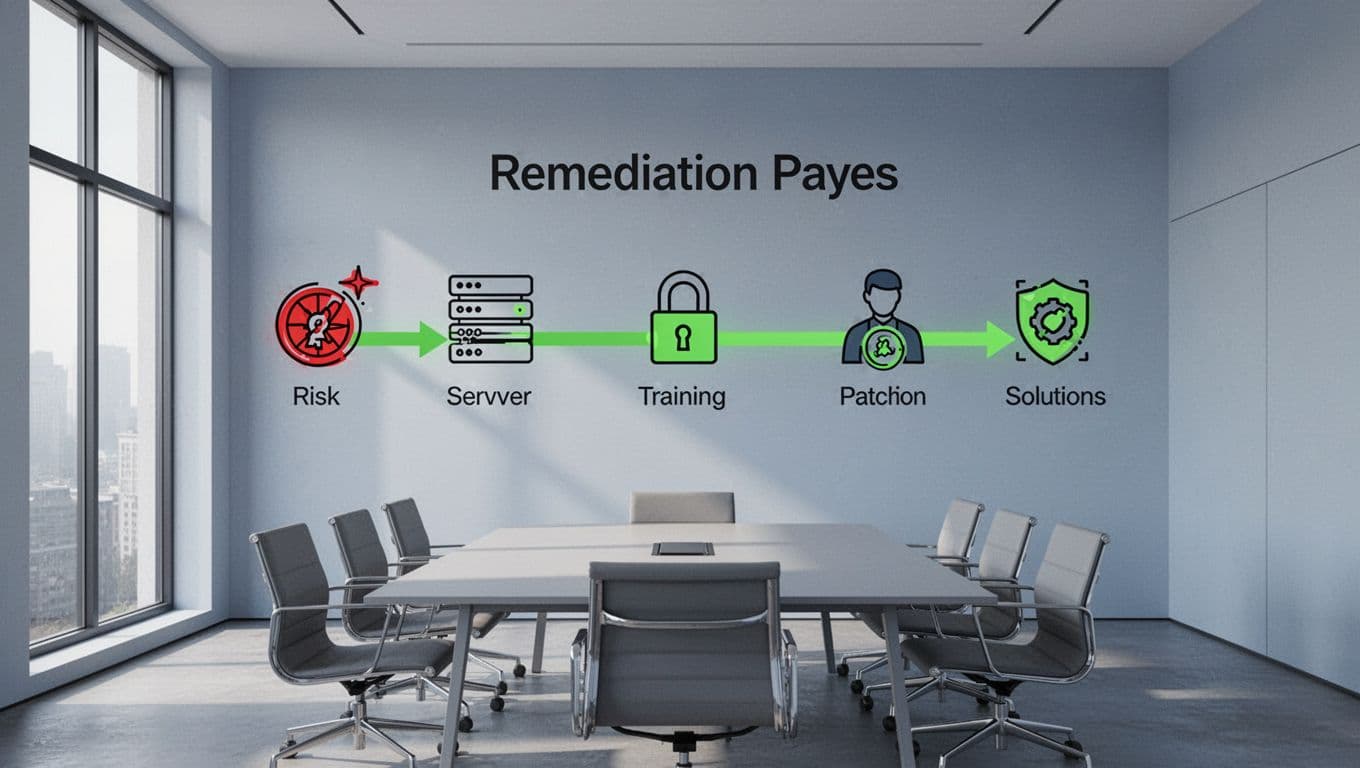
Roadmaps plot steps over time. Short-term patches first. Then training and tools. Use Gantt charts for clarity.
Frameworks score fixes. Weigh cost, effort, and ROI. High-impact, low-effort tops the list.
For instance, patch critical vulns in week one. Roll out MFA next. Budget for EDR tools later.
Tailor to your maturity. Startups focus quick wins. Enterprises build sustained programs.
Handovers include scripts or configs. Test them in staging. This speeds rollout.
Tailoring Deliverables to Scope and Maturity
Not all projects match. Small firms need lean outputs. Enterprises demand full suites.
For quick assessments, stick to SOW, risks, and summaries. Add roadmaps for pentests.
Mature orgs get retests and policies. Immature ones prioritize basics.
| Maturity Level | Focus Deliverables |
|---|---|
| Low | SOW, assets, risks, executive summary |
| Medium | Plus gaps, findings, roadmap |
| High | All plus policies, compliance, retests |
Negotiate in contracts. Define formats like PDF or Excel. Set review cycles.
Bud Consulting tailors these for clients. Book a Discovery Call with Bud Consulting to map your needs.
Key Takeaways for Your Next Engagement
Core cybersecurity consultant deliverables like SOWs and risk registers protect your investment. Add roadmaps and policies as needed.
Match outputs to your goals and stage. Demand phased handovers. Verify with your team.
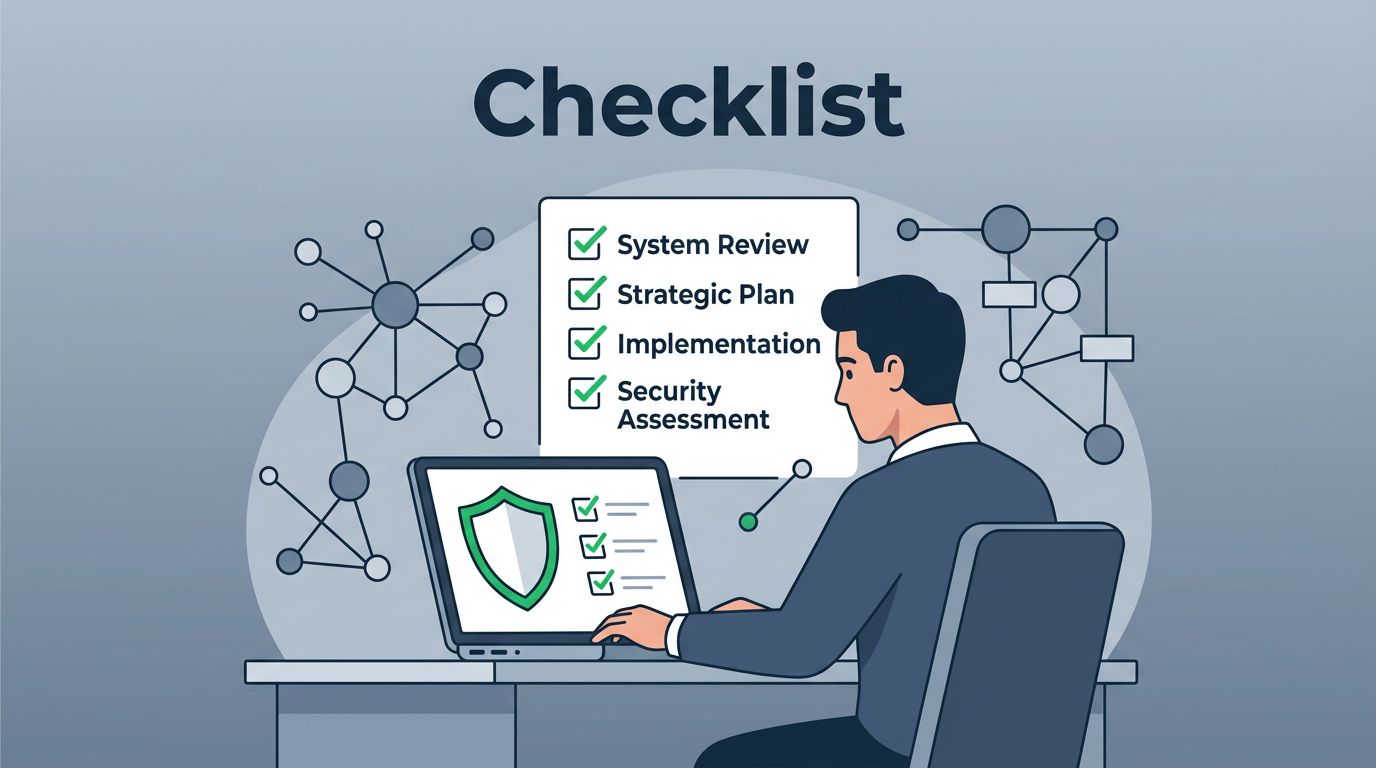
Strong deliverables turn advice into action. What gaps do you see in past projects? Start with this checklist today.