table of contents
A low quote can be expensive later. If the work is shallow, you may pay again after a breach, a failed audit, or a rushed rework.
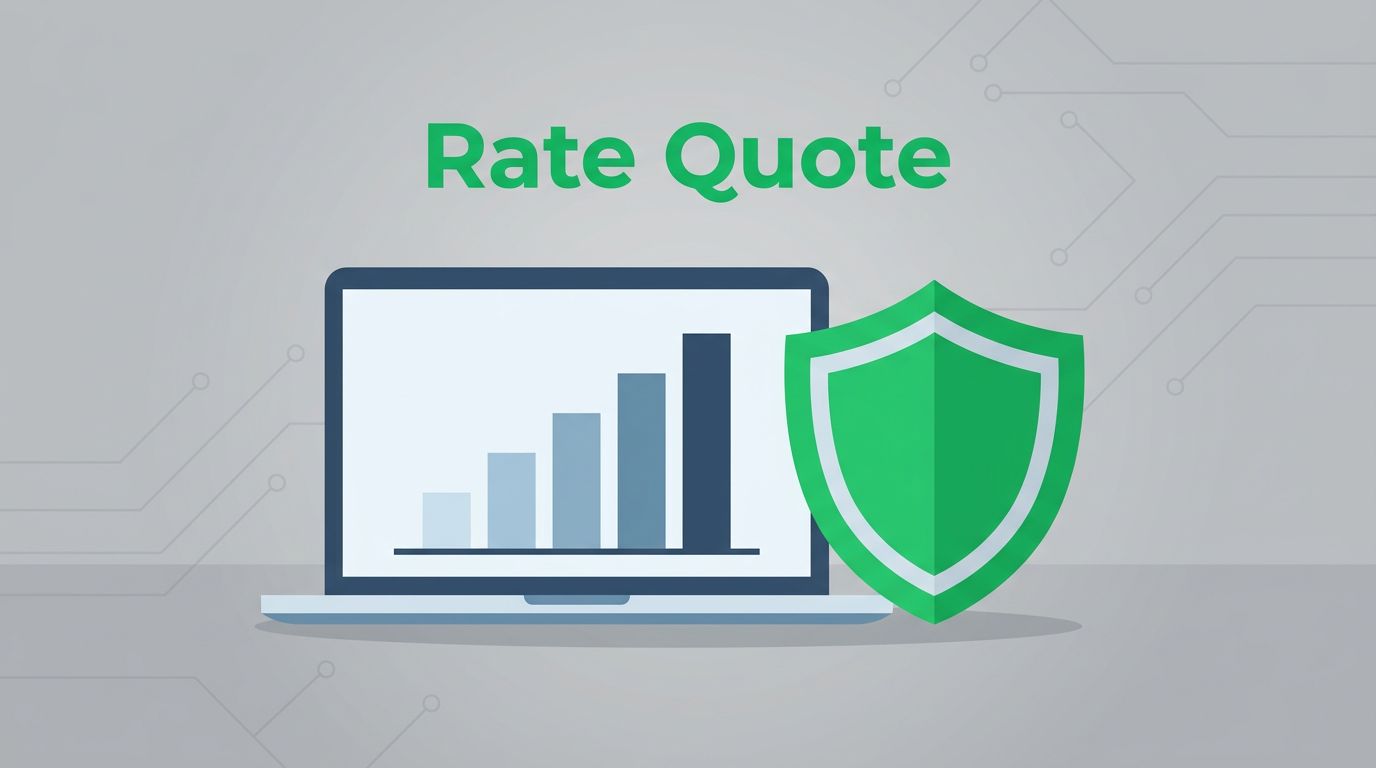
When you compare a cybersecurity consultant hourly rate quote in 2026, the smartest move is to look past the headline number. The real question is what that rate buys you, and what risk it removes.
That matters because pricing changes with experience, urgency, compliance needs, and the kind of security work involved. A good quote should fit the problem, not just the budget.
What a cybersecurity consultant hourly rate looks like in 2026
In the US, hourly consulting rates for cybersecurity usually fall between $50 and $250+ per hour. Newer specialists tend to sit near the lower end, while senior advisors and vCISOs charge much more.
A useful starting point is experience level.
| Experience level | Typical hourly rate | Best fit |
|---|---|---|
| Entry, 0 to 2 years | $50 to $70 | Basic support, supervised tasks, limited-scope work |
| Mid, 3 to 5 years | $70 to $100 | Standard assessments, hands-on technical help |
| Senior, 6 to 10 years | $100 to $150 | Complex projects, lead reviews, deeper analysis |
| Expert, 10+ years | $150 to $250+ | Strategy, executive advisory, high-stakes incidents |
Those ranges line up with broader pricing roundups from Clutch’s April 2026 cybersecurity pricing guide and Techem Group’s 2026 consulting cost guide. In both cases, higher risk and deeper expertise push the price up.
A strong quote should also say what the hours include. Some consultants bill only for active work. Others include prep, reporting, and review time.

Why the same job can cost twice as much
Two consultants can review the same environment and quote very different prices. That doesn’t always mean one is overpriced. Often, one is bringing more speed, deeper judgment, or stronger proof.
Several factors move the rate quickly.
- Experience changes the price fast. Someone who has handled real incidents, audits, or cloud migrations will usually charge more than a generalist.
- Certifications can raise trust and price. CISSP, CISM, OSCP, cloud security certs, and similar credentials often push quotes toward the top end.
- Scope changes everything. A quick review of a SaaS app is not the same as a full network assessment with remediation guidance.
- Urgency adds pressure. Incident response, breach support, and short deadlines often come with rush rates.
- Compliance raises the bar. Finance, healthcare, and regulated SaaS work often costs more because the documentation burden is heavier.
Services that often sit at the higher end
Service type matters as much as seniority. A consultant who can test, explain, and advise in one pass is usually pricier than someone who only writes a report.
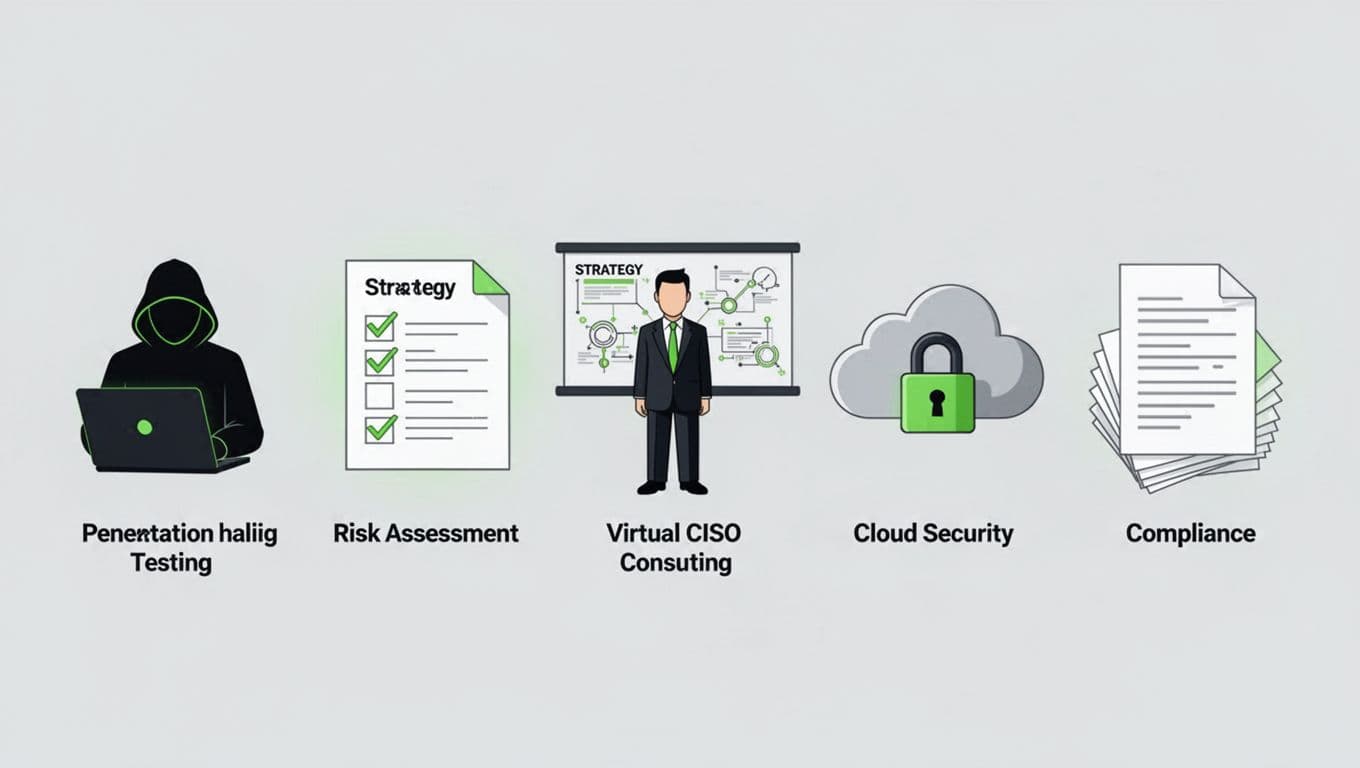
- Risk assessment work often lands around $100 to $180 per hour.
- Penetration testing commonly falls near $90 to $160 per hour.
- Cloud security advisory often sits around $110 to $180 per hour.
- Compliance consulting can reach $125 to $200 per hour.
- vCISO support often ranges from $175 to $300+ per hour.
The cheapest quote is often the most expensive mistake once rework, missed gaps, and delay are added up.
Hourly billing, fixed fees, and retainers each fit different jobs
Hourly billing works best when the scope is still moving. That includes incident response, exploratory reviews, and short advisory sessions.
Fixed fees make more sense when the deliverable is clear. A defined assessment, a policy review, or a set penetration test often fits that model better.
Retainers suit ongoing advice. Many vCISO and security leadership arrangements use monthly retainers because the work is continuous, not one-off.
| Pricing model | Best fit | Watch out for |
|---|---|---|
| Hourly | Unclear scope, troubleshooting, short advisory work | Costs can grow if the job keeps changing |
| Fixed fee | Clear deliverables, repeatable projects | Scope creep can trigger change orders |
| Retainer | Ongoing leadership, board support, monthly guidance | You may pay for time you don’t use |
Broader 2026 hourly consulting rate benchmarks show the same pattern. Once the work becomes ongoing, many experts stop selling time alone and start selling access, judgment, and continuity.
If you’re weighing a short assessment against ongoing advisory support, Book a Discovery Call with Bud Consulting to talk through the scope before you request quotes.
What a fair quote should include before you sign
A good quote reads like a map. It should show the scope, the expected hours, the deliverables, who will do the work, and what happens if the job gets bigger.
It should also spell out whether report writing, retesting, and follow-up calls are included. Those details matter more than many buyers expect.
If two quotes are far apart, compare the hidden work first. One may include senior review, deeper testing, and a clearer report. The cheaper one may leave those pieces out.
Choosing value over the lowest number
A cybersecurity consultant hourly rate quote is really a risk quote in disguise. The rate matters, but expertise, speed, and scope matter more.
In 2026, the best quote is the one that fits the job and reduces the right risk. If a lower number comes with thinner testing or weaker advice, the savings can disappear fast.