table of contents
A cybersecurity quote can look simple at first glance, then turn messy fast. One consultant charges by the hour, another offers a fixed project fee, and a third wants a monthly retainer. Cybersecurity consultant pricing makes more sense when you compare the model, not just the number.
That matters because the cheapest quote can cost more later. A low hourly rate can balloon on a long project. A fixed fee can hide weak scope. A retainer can look expensive until you need ongoing help, urgent response, or steady vCISO support.
The main pricing models and where each one fits
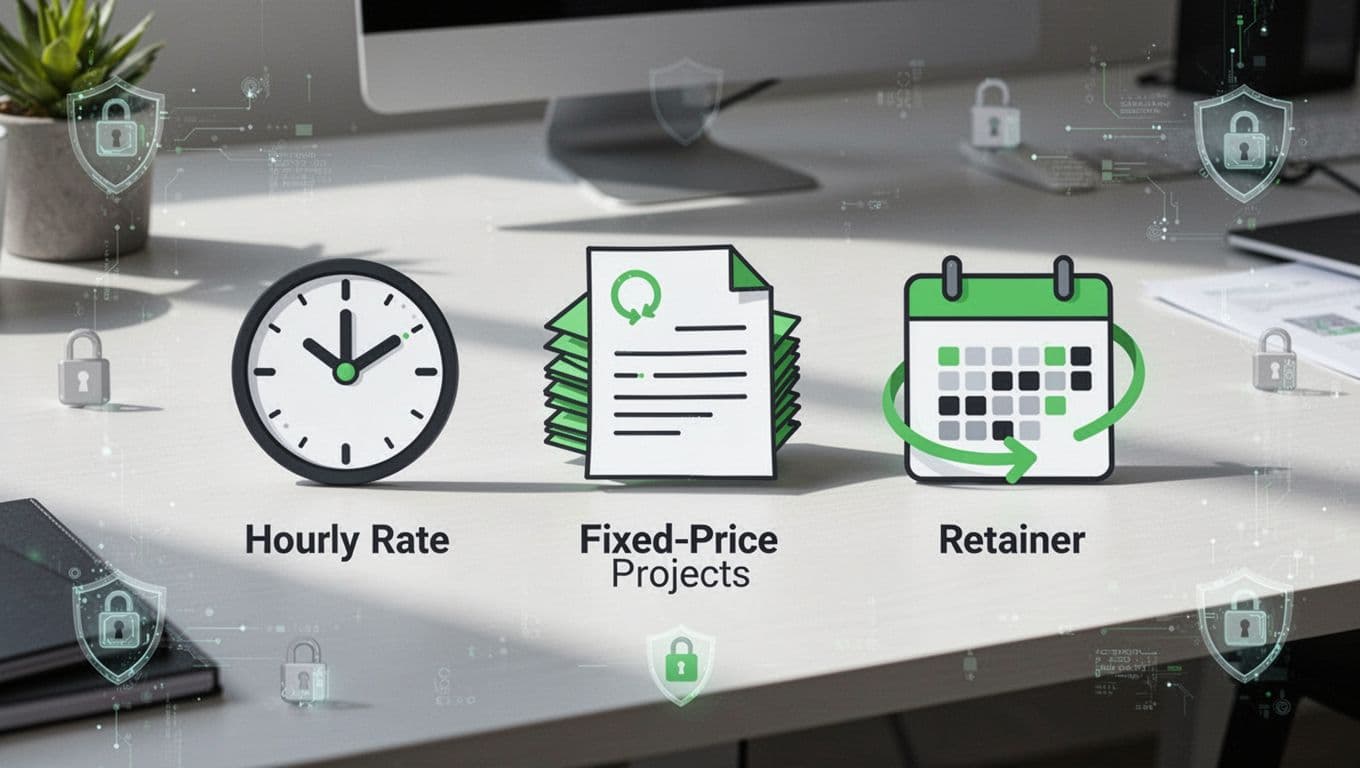
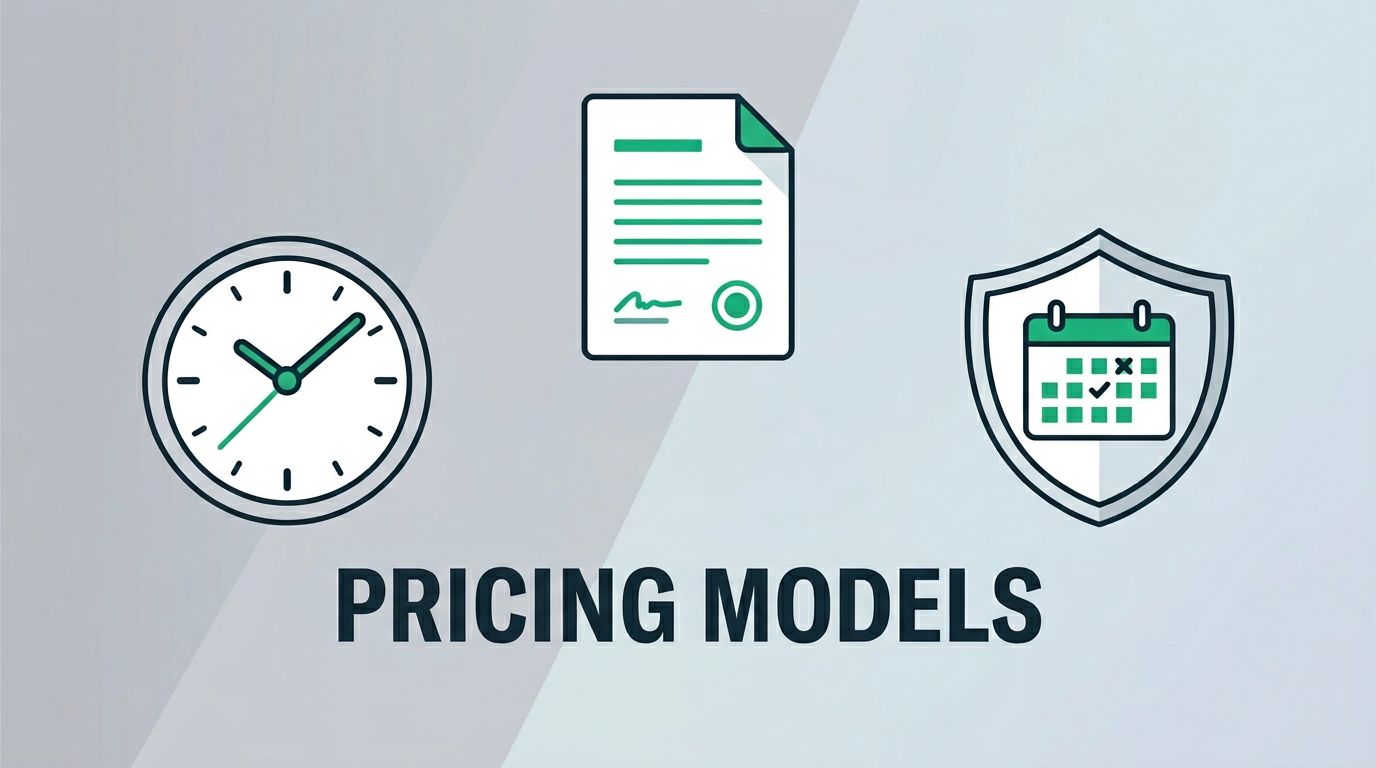
The three most common models are hourly billing, fixed-price projects, and retainers. Each one solves a different buying problem.
| Pricing model | Best for | Strength | Main risk | Common use cases |
|---|---|---|---|---|
| Hourly | Small scopes, advisory work, discovery | Flexible and easy to start | Costs can rise if the scope grows | Security advice, architecture reviews, quick remediation |
| Fixed-price project | Clear deliverables and deadlines | Budget is easier to approve | Scope changes can trigger change orders | Penetration testing, risk assessments, compliance consulting |
| Retainer | Ongoing support and access | Predictable monthly support | You may pay for unused time | vCISO support, readiness planning, recurring reviews |
Hourly pricing works best when you need expert time, not a full project. That might include a gap review, tool selection, or help untangling a messy control issue. It also works when the scope is still moving.
Fixed-price work fits better when the output is clear. Penetration testing, for example, often lands here because the consultant can define the target, timeline, and report format. The same goes for many risk assessments and compliance projects.
Retainers make sense when you want continuity. A vCISO, incident response advisor, or security program lead can stay close to the business and help before problems turn into emergencies. For many smaller firms, that is cheaper than hiring full time.
If the scope is fuzzy, hourly billing can protect both sides. If the scope is stable, fixed pricing often gives better budget control.
What drives cybersecurity consultant pricing in 2026
Recent 2026 market data points to average cybersecurity consulting rates around $60 to $64 per hour, with lower-end roles near $44 and higher cyber-risk rates closer to $86. Public pricing guides such as Clutch’s April 2026 cybersecurity pricing guide and Techem Group’s 2026 cost guide show the same pattern, prices rise when the scope gets clearer, more urgent, or more specialized.

Five things move the price most:
- Scope size: A narrow review costs less than a full program assessment.
- Senior talent: A seasoned consultant or vCISO charges more than a generalist.
- Compliance needs: HIPAA, PCI DSS, SOC 2, and similar work takes more time and care.
- Industry risk: Healthcare, finance, and SaaS often pay more because the stakes are higher.
- Geography: Rates often run higher in major US tech and finance hubs.
The service type matters too. A small penetration test may land around $10,000 to $30,000. Medium engagements often run $30,000 to $75,000, and larger tests can pass $100,000. Risk assessments commonly sit around $15,000 to $50,000. vCISO support often starts near $5,000 to $20,000 a month, depending on access and scope.
Incident response usually sits outside normal project pricing. When something is burning, you pay for speed, availability, and senior judgment. That is why many firms keep a retainer or standby arrangement in place.
How to compare quotes without getting burned
A good quote tells you what is included, what is missing, and what will trigger extra cost. If a vendor can’t answer those three things, the price is not ready yet.
When you review proposals, look for these items:
- Defined deliverables: Reports, meetings, evidence, retests, or board updates should be named.
- Assumptions: A quote should show what the consultant expects from your team.
- Extra fees: Ask about rush work, travel, out-of-scope requests, and retesting.
- Experience fit: A lower rate from the wrong specialist can cost more later.
- Proof of method: Ask how they test, document, and communicate findings.
A helpful way to frame the conversation is this: Are you buying hours, a result, or ongoing judgment? Once you know that, the pricing model becomes much easier to compare.
For a broader look at service-cost structures, Fiverr’s 2026 cybersecurity pricing guide gives another useful reference point, especially for smaller projects and fixed-scope work.
If you want help matching scope to the right pricing model, Book a Discovery Call with Bud Consulting and compare options before you buy.
Choosing the right model for your company size and urgency
Small startups often do best with hourly help or a short fixed-fee assessment. They need speed, but they also need to control cash. Mid-sized companies usually get more value from fixed-price projects plus an occasional retainer for advice. Larger firms, or companies with regular compliance pressure, often save money with ongoing support.
Urgency changes the answer too. If the need is immediate, hourly or retainer access wins. If the work is planned and repeatable, fixed pricing gives cleaner budgeting. If the project has moving parts, a hybrid model can work well, with a fixed base fee and hourly work for approved extras.
The best quote is not the lowest one. It’s the one that matches your risk, timeline, and internal capacity.
Final take
Pricing only looks random until you connect it to scope, seniority, compliance, industry risk, and location. In 2026, that mix matters more than ever.
Choose hourly for flexible advisory work, fixed fees for defined deliverables, and retainers for steady support. When you match the model to the real need, the budget makes sense and the work does too.