table of contents
Imagine checking your email and spotting another suspicious link from a “vendor.” Your IT person sighs and adds it to the list. These moments add up fast. Small businesses face more attacks than ever. In 2026, about 6 in 10 report cyber incidents, with ransomware hitting 37% and phishing 42%. Costs average $164,000 per breach, and 60% of victims close within six months.
You might handle basics yourself. But when gaps grow, it’s time for help. A cybersecurity consultant spots risks you miss and builds real defenses. Keep reading to spot the signs in your operation.
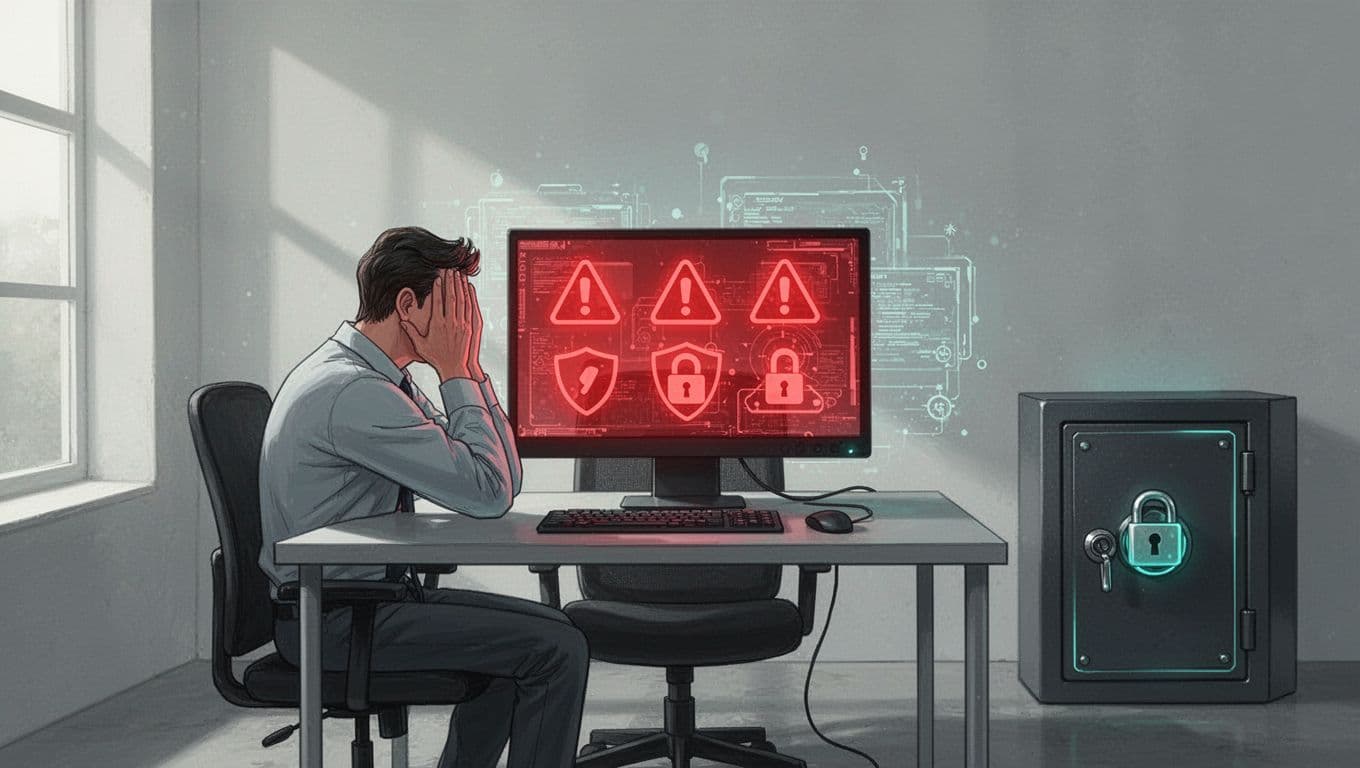
Constant Security Alerts Overwhelm Your Team
Your dashboard lights up with warnings daily. Firewalls flag odd logins. Antivirus pings malware attempts. Your small IT crew spends hours triaging false alarms instead of real work.
This chaos drains time and morale. In 2026, small firms see attacks rise 14% from last year. Overloaded teams miss true threats. For example, one overlooked alert lets ransomware spread.
A cybersecurity consultant reviews your tools first. They tune systems to cut noise. Then your team focuses on business growth, not endless pings.
Phishing Attempts Keep Slipping Through
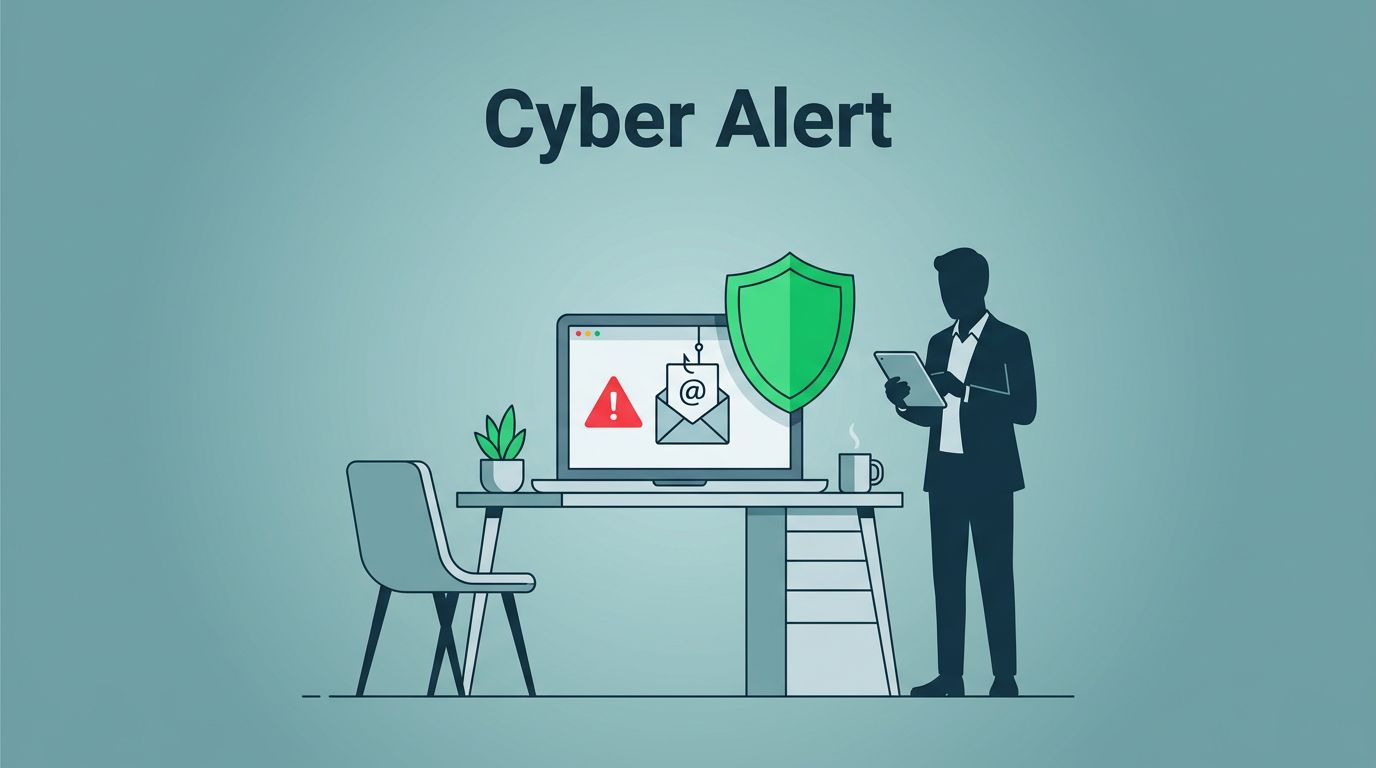
Employees click bad links weekly. Fake invoices or boss emails trick them. You train staff, yet incidents persist. Phishing now strikes 42% of small businesses.
Why does it happen? Basic filters catch some, but savvy attackers use AI to mimic real messages. One slip exposes customer data or locks files.
Consultants audit your email gates and run mock attacks. They teach spot-the-fake drills tailored to your team. As a result, clicks drop, and confidence rises. Check Britec’s list of top threats for more on phishing trends.
Remote Work Creates Hidden Vulnerabilities
Your team logs in from home cafes or routers years old. VPNs work sometimes. But unsecured WiFi opens doors to leaks. Remote setups boost risks, especially post-pandemic.
In 2026, cloud leaks and weak home networks top lists. Attackers scan for easy entry. A single exposed laptop costs thousands in cleanup.
Experts map your remote paths. They enforce multi-factor checks and secure access. Workers stay productive without worry.

Third-Party Vendors Pose Unseen Risks
You rely on software from partners. Their breaches hit you too. Shared logins or weak APIs let attackers jump in. Vendor risks now rival internal ones.
Small businesses often skip checks. But 70% of attackers target you on purpose. One bad supplier spreads malware across clients.
A consultant scans your chain. They demand audits and set contracts with teeth. Your operations stay smooth and safe. See Enterprise Security Tech’s report on rising threats.
Cloud Misconfigurations Leave Doors Open
You moved to cloud for speed. Buckets sit public by mistake. Permissions overlap. Hackers grab data free.
Misconfigs fuel 18% of breaches. Retail and healthcare small firms see jumps of 19%. Internal fixes feel patchwork.
Professionals test your setup weekly. They lock down with least-access rules. Costs drop as breaches fade.
Compliance Pressures Mount Without a Plan
Regulations like GDPR or CCPA demand proof. Audits loom. Fines hit $3.31 million average for breaches in small firms. You scramble with spreadsheets.
No formal response plan? Only 34% have one. Deadlines stress everyone.
Consultants align you to rules. They document and test plans. You pass checks stress-free.
What a Cybersecurity Consultant Brings to Your Table
They start with full audits. No jargon, just clear reports on gaps. Then prioritize fixes, like MFA that stops 99.9% of automated hits.
Bud Consulting focuses here. They vet talent and advise on culture shifts too. Results? Fewer attacks, trained teams, and peace.

Expect hands-on guidance. They train your people and automate tests. In short, consultants turn risks into strengths.
Act Before the Next Breach Hits
These signs signal trouble ahead. Alerts pile up, phishing slips by, and remote gaps widen. Ignore them, and costs soar.
A cybersecurity consultant delivers targeted fixes. They save time, money, and headaches. Many small businesses boost defenses this way.
Ready to check your setup? Book a Discovery Call with Bud Consulting today. What risk worries you most?