table of contents
Cyberattacks hit small businesses weekly now. Ransomware locks files. AI deepfakes fool employees. You need protection fast, but budgets stay tight.
As an IT leader or founder, you face a choice. Hire one sharp cybersecurity consultant or a full agency? Each option handles 2026 threats like supply chain hacks and cloud leaks differently. Let’s break down what works best for you.
Why 2026 Changes the Game
Threats grow smarter this year. Hackers use AI for phishing that mimics voices or faces. Ransomware spreads via zero-day bugs. Supply chain attacks quadrupled lately, and IoT devices spark 20% of breaches.
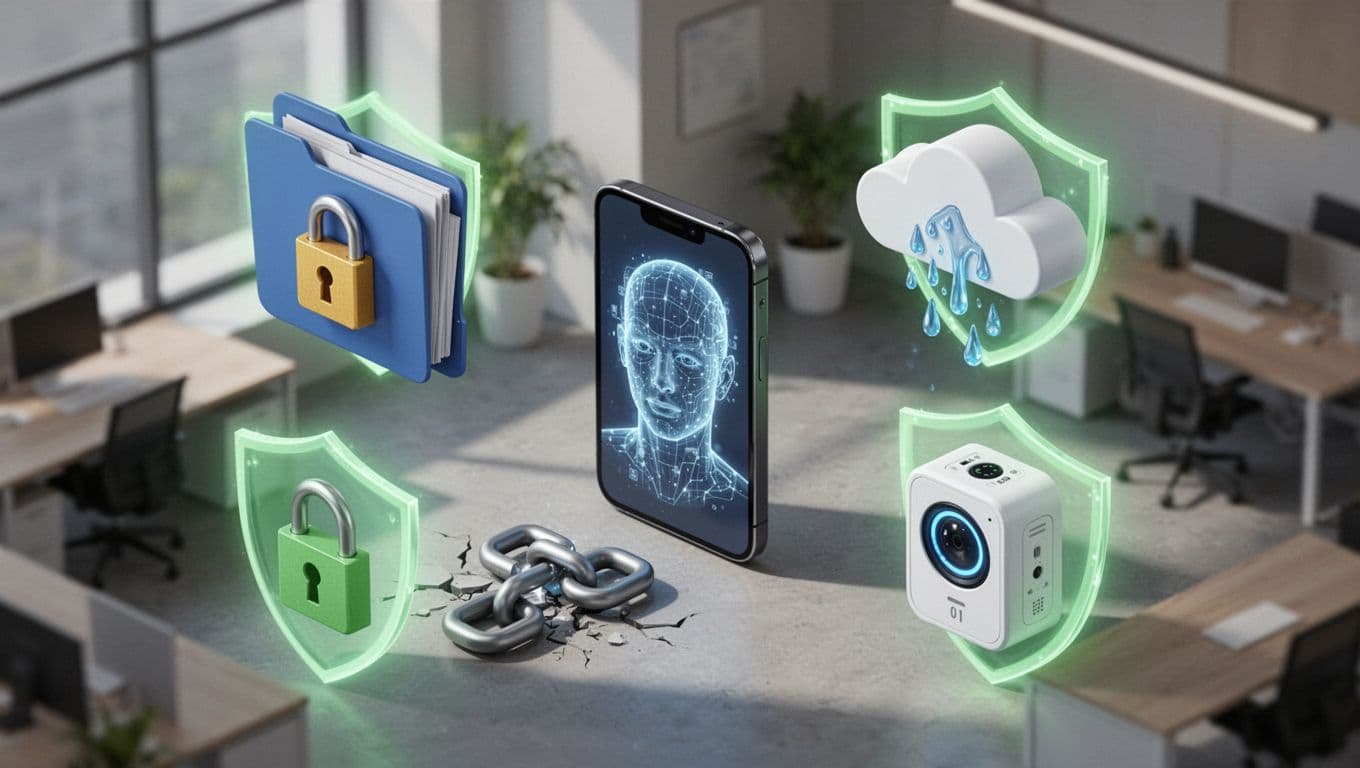
SMBs feel the pinch most. Only 7% claim enough cyber budget. Yet 61% suffer attacks, with ransomware causing 88% of breaches. Compliance rules tighten too. Insurers demand MFA, endpoint tools, and quick breach reports. Zero-trust setups become standard because old trust models fail.
Ongoing monitoring matters now. Constant checks spot shadow AI or misconfigured clouds before damage hits. You can’t ignore this. So how do consultants and agencies stack up against these pressures?
Roles and Expertise Compared
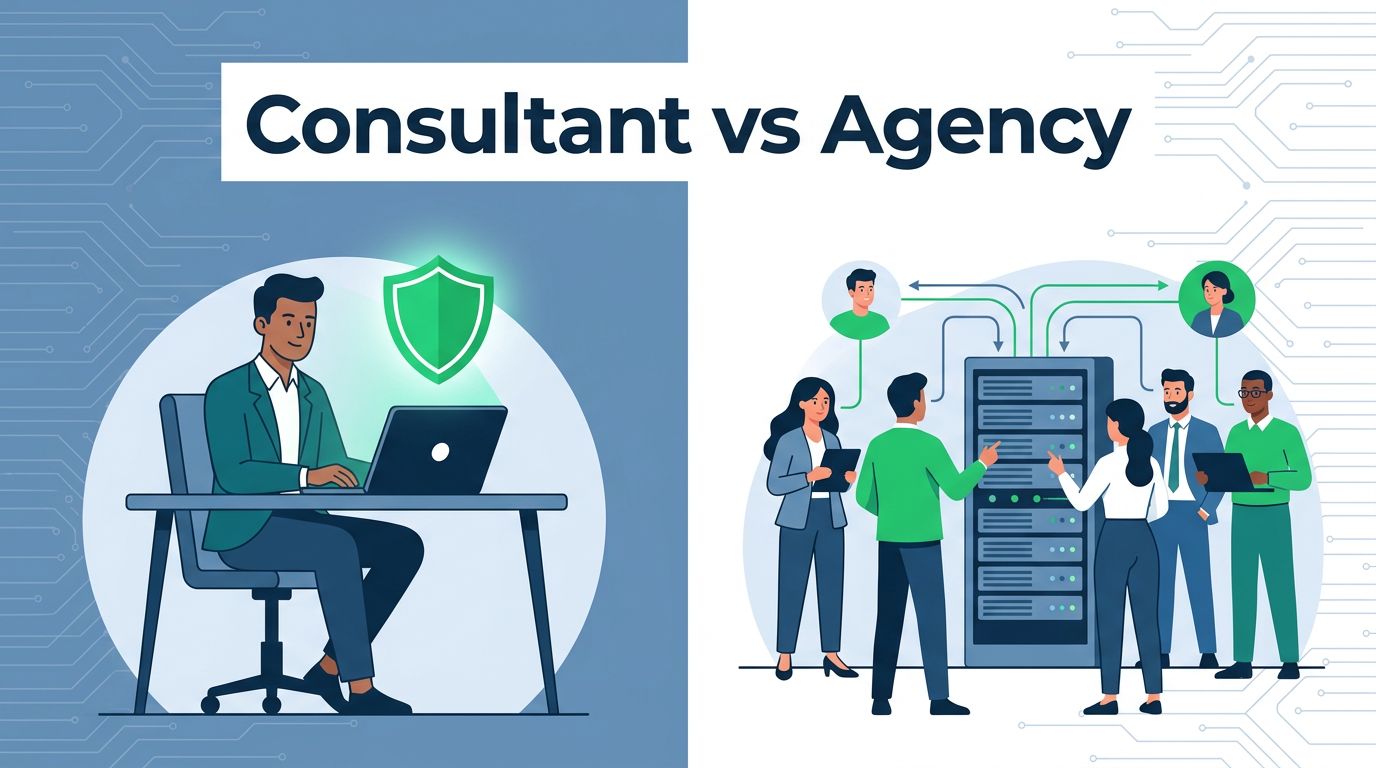
An independent cybersecurity consultant acts as your hands-on expert. They dive into your setup, spot gaps, and fix them directly. Think one person who knows your network inside out because they focus solely on you.
Agencies bring a team. Specialists handle compliance, penetration tests, or threat hunting. They rotate experts as needs shift. For example, one day it’s a cloud pro; next, a ransomware responder.
Both cover basics like audits and training. However, consultants build deep knowledge of your business over time. Agencies offer breadth through teams. In short, pick based on your gaps. A consultant suits targeted fixes. Agencies handle complex, multi-front defenses.
Costs and Scalability Head-to-Head
Money talks in tight times. Independent consultants charge higher rates but deliver direct value. Agencies spread costs across a team.
Here’s a quick rate snapshot for 2026:
| Type | Average Hourly Rate | Key Notes |
|---|---|---|
| Independent Consultant | $144 | Direct expertise, no overhead |
| Agency Team | $63 | Team support, scalable projects |
Data shows freelancers bill $144 per hour on average. Agencies average $63 because they blend junior and senior work. A solo expert skips agency markups, so you pay for pure skill.

Scalability tips the balance. Consultants max out at one project. Need round-the-clock monitoring? They refer out. Agencies ramp up fast for crises, like a live breach. Budget pressure favors consultants for short audits. Agencies shine for ongoing needs, though total costs climb with scope.
For a deeper cost breakdown in cyber specifically, check this UK consultant vs firm comparison.
Pick a Consultant When Speed and Focus Win
Go independent for quick wins. Startups with lean teams love this. Say your cloud setup leaks data. A consultant audits in weeks, patches flaws, and trains staff. No team ramp-up delays.
They’re ideal for compliance pushes too. New rules demand fast MFA rollouts or Zero Trust pilots. One expert handles it affordably. Picture a mid-size firm facing insurer demands. The consultant maps risks, proves controls, and secures coverage without big spends.
Budget matters here. At $144 an hour, a one-month gig costs less than agency retainers. Plus, they stick around for tweaks. If threats like IoT exploits hit sporadically, this fits perfectly.
Choose an Agency for Team Power and Continuity
Agencies excel in high-stakes setups. Large ops with global teams need varied skills. Ransomware hits? Their response squad jumps in 24/7. Supply chain audits span vendors; one person can’t cover it all.
Ongoing monitoring demands scale. Agencies run automated tests, map attack surfaces, and alert constantly. SMBs under constant fire benefit. For instance, a retailer with app flaws and deepfake risks gets devs, testers, and trainers in one package.
Drawbacks exist. Coordination slows starts. Costs add up for long hauls. Still, in 2026’s threat surge, their depth prevents breaches that solo work misses. See a freelance hiring guide for context.
Concise Recommendation
Assess your needs first. Choose an independent cybersecurity consultant for targeted audits, tight budgets, or quick compliance fixes. They’re cost-effective at $144/hour for focused work.
Opt for an agency if you need scalable teams, 24/7 monitoring, or multi-threat defense. Their $63/hour average suits ongoing ops despite higher totals.
Hybrid works too: Start with a consultant, scale to agency. Book a Discovery Call with Bud Consulting to match your gaps with top talent.
FAQ
What’s the biggest risk of picking wrong?
Solo consultants overload on big incidents. Agencies underdeliver if you don’t define scope clearly.
How do 2026 threats affect this choice?
AI scams and ransomware demand speed. Consultants fix fast; agencies monitor continuously.
Can SMBs afford agencies?
Yes, via retainers focused on high-impact tools like EDR. Start small to test.
How to vet either?
Check certifications, case studies, and references. Test with a pilot project.
Threats won’t wait. Act now to protect what matters. Your call shapes security for years.