table of contents
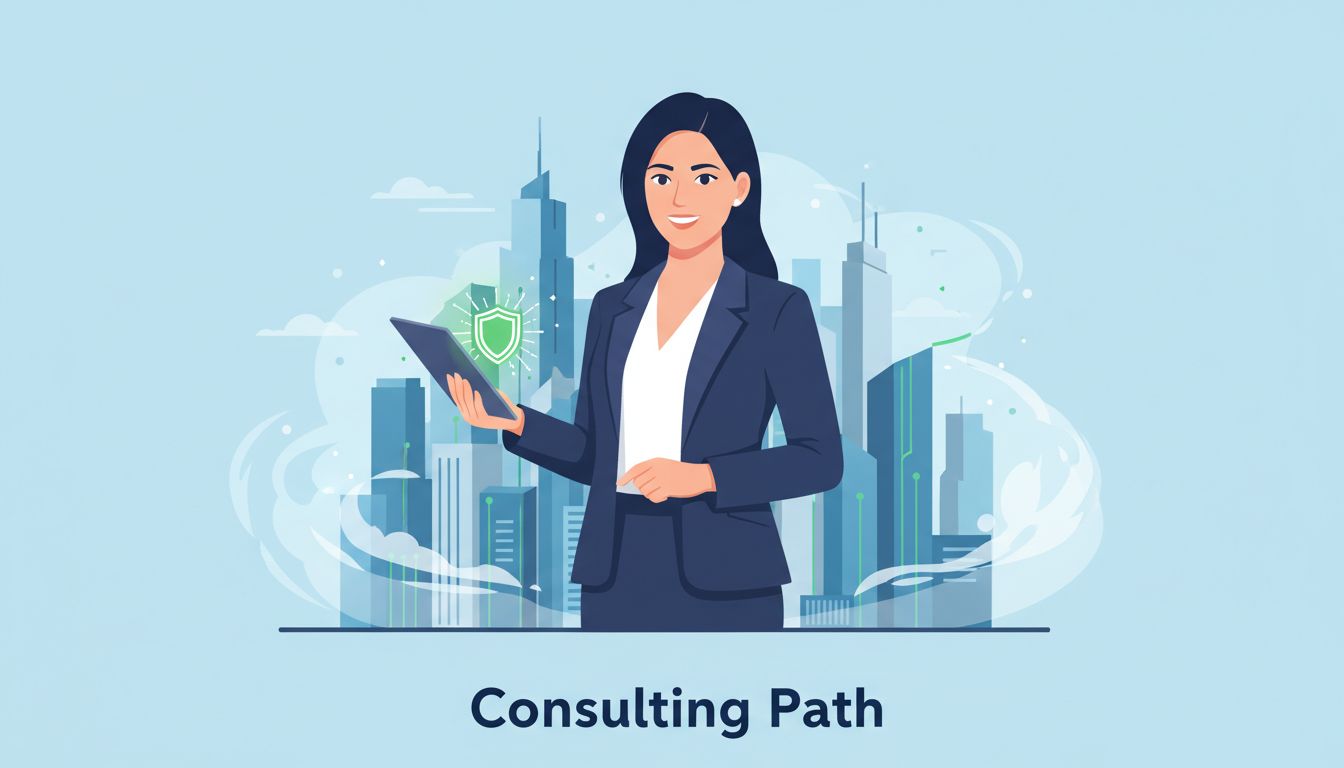
You’ve spent years in IT or security. Now you spot openings for cybersecurity consulting roles. These jobs pay well and offer variety. But they demand more than tech know-how. Clients expect clear advice on risks and fixes.
In-house security differs from consulting. You solve broad problems for multiple firms. Demand surges for cloud security, GRC, IAM, and AI threats this year. Employers seek pros who blend technical chops with client skills.
This guide gives you a realistic path. Follow it over 3 to 12 months. Start with self-assessment, then build skills and land gigs.
Assess Your Starting Point
Look at your background first. Many pivot from SOC analysis, sysadmin, compliance, or engineering. Each brings strengths.
SOC analysts excel at threat detection. They spot alerts fast. Turn that into consulting by framing incidents as business risks. For example, explain how a phishing breach costs downtime and fines.
Sysadmins manage networks daily. They grasp configurations. Pivot to cloud security assessments. Clients need help with AWS or Azure misconfigs, which cause most breaches.
Compliance pros handle audits. GRC consulting fits them. Map policies to regs like GDPR. Auditors shine in vendor reviews and risk reports.
Engineers build defenses. They suit IAM or penetration testing gigs. Focus on scoping assessments for clients.
Write down your wins. List projects with outcomes, like “Reduced vulnerabilities by 40% via patch management.” This shows impact. Gaps appear too, such as presentation skills. Note them for your plan.
In 2026, firms prioritize cloud and AI security. Check cybersecurity career paths for 2026. It outlines levels from analyst to specialist.
Build Essential Technical Skills
Consultants deliver in high-demand areas. Cloud security tops lists because multi-cloud setups grow fast. Learn to audit IAM in AWS or Azure. Tools like Wiz or Prisma Cloud help spot issues.
GRC involves risk assessments and compliance mapping. Practice building frameworks for ISO 27001. IAM assessments check access controls with Okta or CyberArk. Machine identities now outnumber humans, so secure them.
vCISO roles guide strategy. Advise on Zero Trust. AI security fights prompt injection and deepfakes. The EU AI Act boosts this need soon.
Start hands-on. Use free labs on TryHackMe or Hack The Box. Simulate client environments. Build a home lab with vulnerable VMs.
From SOC? Deepen threat hunting. Sysadmins? Master container security. Engineers? Add DevSecOps pipelines.

This balance matters. Technical depth builds credibility. Practice weekly for three months.
Earn Certifications That Open Doors
Certs prove skills fast. Employers scan resumes for them. In 2026, focus on practical ones.
CompTIA Security+ starts entry-level. It covers basics. Then grab CISSP for broad knowledge. It’s gold for consultants.
Specialize next. CCSP for cloud security. CISM suits GRC and vCISO. For IAM, try Certified Identity and Access Manager.
AI security lacks standards yet. Pair with ethical hacking certs like CEH.
See cybersecurity certifications for 2026. It lists strategic picks.
Aim for one every three months. Study 10 hours weekly. Use exam dumps and practice tests. Share progress on LinkedIn.
These boost your resume. Clients trust certified pros. However, pair them with projects. Certs alone won’t land gigs.
Master Client-Facing Skills
Consulting sells solutions. Tech skills get you in. Communication keeps you there.
Practice scoping projects. Define deliverables, timelines, and costs. A SOC analyst might say, “We detected malware.” Consultants add, “This exposes $500K in losses; here’s the fix.”
Hone presentations. Use simple slides with charts. Walk clients through risks. Stakeholders care about impact, not jargon.
Report writing seals deals. Structure with exec summary, findings, and actions. Tools like Microsoft Word or Google Docs work.
Stakeholder management builds trust. Listen first. Ask about pains. Tailor advice.

Role-play scenarios. Record yourself. Join Toastmasters for feedback.
From audit backgrounds? You already write reports. Engineers? Practice explaining tech to non-tech folks.
These skills differentiate you. In-house roles focus inward. Consulting thrives on relationships.
Network and Position Your Resume
Connections drive hires. Attend Black Hat or local meetups. Join ISC2 chapters. Share insights on LinkedIn.
Follow firms like Bud Consulting. They place cloud architects and vCISOs. Comment on posts. Offer value.
Tailor your resume. Lead with consulting-like wins. Use client-focused language: “Advised on IAM for 50-user firm, cutting risks 30%.”
Quantify everything. Target freelance sites like Upwork for small gigs. Build testimonials.
Prep interviews. Expect case studies: “How would you assess this cloud setup?” Practice aloud.
Check 2026 cybersecurity roadmaps. It shares hiring patterns.
Network weekly. Update LinkedIn profile now.
Follow This 3-12 Month Roadmap
Break it into phases. Track progress monthly.
Months 1-3: Assess skills. Earn Security+. Build lab projects. Network on LinkedIn.
Months 4-6: Get CCSP or CISM. Freelance small assessments. Practice presentations.
Months 7-9: Specialize in cloud or AI. Join consulting groups. Apply to junior roles.
Months 10-12: Land interviews. vCISO gigs suit experienced pivots. Refine resume with feedback.
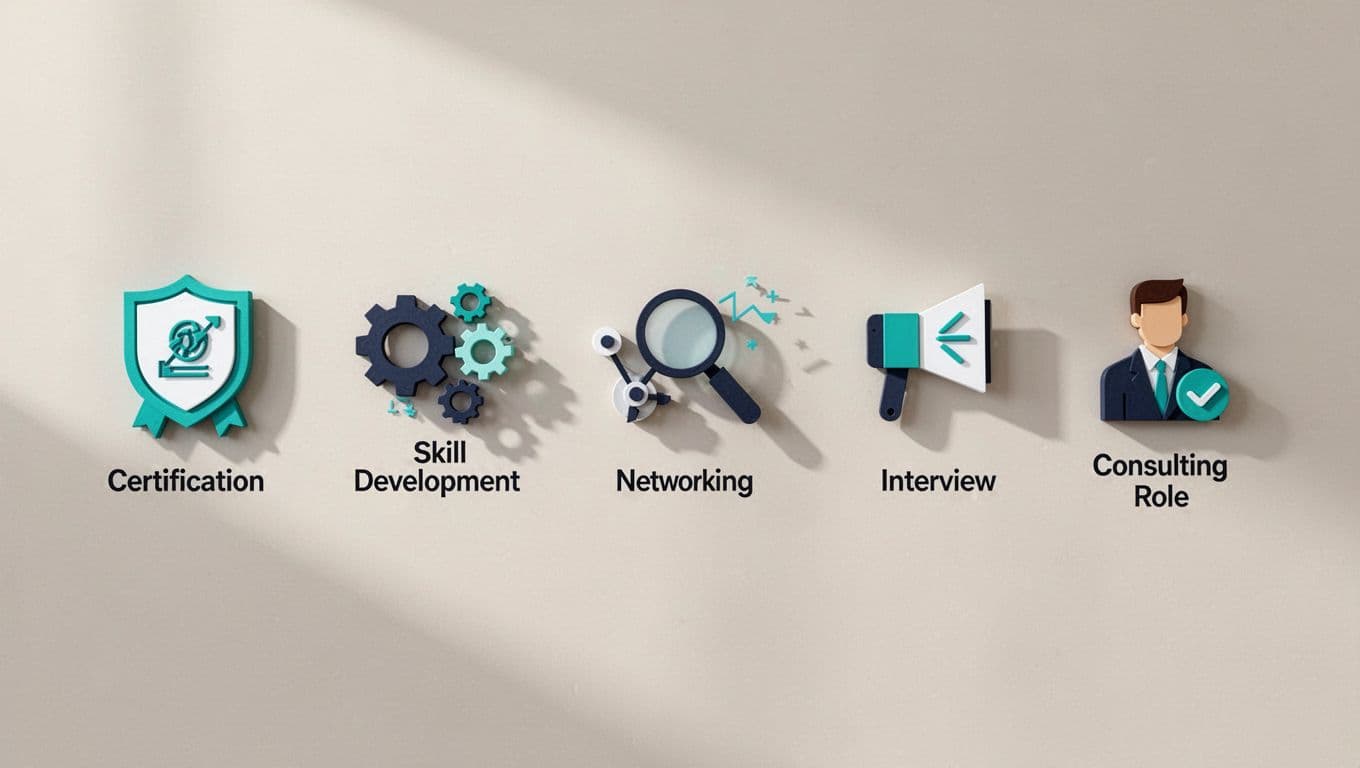
Adjust based on your start. SOC pros move faster in threat consulting.
You’ve got the tools now. Technical base plus client skills win cybersecurity consulting roles. Start today. Track wins weekly.
Ready for personalized help? Book a Discovery Call with Bud Consulting. They guide career shifts like yours.
What step do you tackle first?