table of contents
You’re a CISO hunting for your next big role, or maybe you’re leading a team desperate for a cloud security architect. Either way, the talent crunch hits hard. In April 2026, over 4.8 million cybersecurity jobs sit empty worldwide, with leadership spots like yours taking six months or more to fill.
Candidates face endless applications with no callbacks. Employers scramble amid rising threats from AI attacks and complex cloud setups. A cybersecurity headhunter cuts through that noise, but signing their contract commits you both ways.
Let’s break down what these agreements mean, so you decide with eyes wide open.
Why Cybersecurity Headhunters Matter More in 2026
Demand for pros in cloud security, IAM, and incident response surges. Companies need leaders who handle real threats, not just theory. Yet 67% of firms lack enough staff, so they turn to specialists.
Headhunters thrive here. They tap hidden networks for senior talent that job boards miss. For you as a candidate, they pitch your skills to top payers. Employers get vetted fits fast, dodging the six-month wait.

Picture a CISO spotting a breach trend on screens while her team hustles. That’s the scene now, with graphs climbing on open roles. Firms like those in this 2026 hiring guide show salaries jumping 7-10% yearly for engineers and execs.
Headhunters also navigate contract vs. full-time debates. Startups grab contractors for quick ramps, per contract hiring insights. You sign because speed wins in tight markets. However, terms differ by recruiter and state laws, so clarity matters first.
Spot the Difference: Candidate vs. Employer Agreements
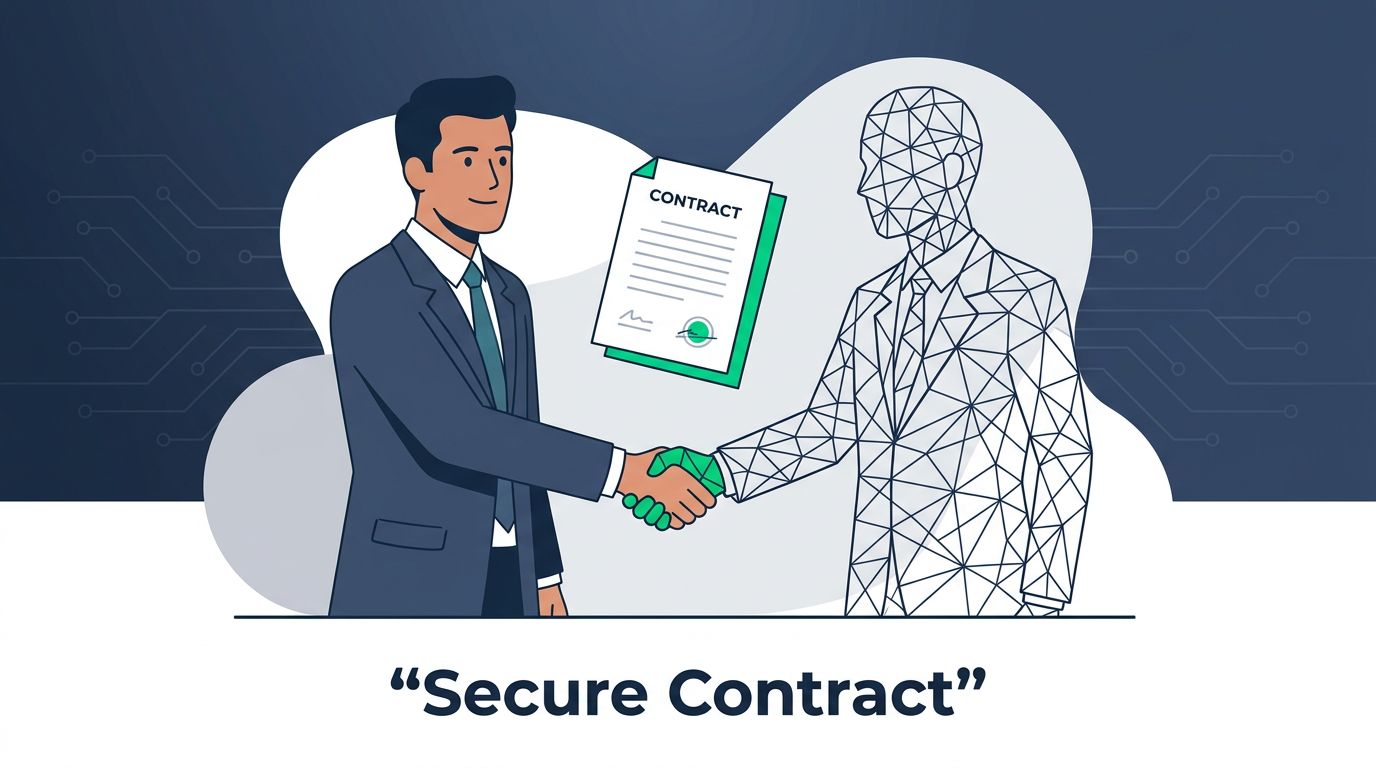
Candidates sign representation deals. You grant the headhunter rights to shop you to employers. In return, they handle outreach and prep.
Employers ink search contracts. Contingency ones pay fees only on hires, 20-30% of first-year salary. Retained searches cost upfront for exclusive hunts, common for CISOs.
Both protect interests, but scopes vary. Candidates agree to fees if you jump ship early. Employers get guarantees if hires flop.
For example, a candidate pact might limit you to one recruiter for 12 months. An employer deal sets off-limits rules, barring poaches from your firm for years.
Terms shift by jurisdiction. California curbs non-competes more than Texas. Always check local rules before ink hits paper.
Key Clauses Every Agreement Must Cover
Review these terms closely. They shape your risks and rewards.
Start with exclusivity. Candidates, does it block other recruiters? Employers, is the search exclusive? Short terms, like six months, give flexibility.
Next, fee structures. Contingency fees hit employers at hire. Retained ones spread costs. Watch placement fees for candidates; some recruiters claim them if you take an offer solo.
Replacement guarantees protect employers. Free redo if the hire quits in 90 days. Candidates, note “cooling off” periods before fees kick in.
Off-limits policies stop headhunters raiding your staff. Two-year bans common. Data confidentiality binds both sides; no sharing resumes without nod.
Candidate representation spells duties. Does the headhunter negotiate salary? Employers, confirm sourcing methods.

Agreements evolve with 2026 trends. AI screening speeds matches, as contract recruiters note. Yet vague clauses trip folks up.
Pre-Signing Checklists for Candidates and Employers
Run these before you sign. They spot issues early.
For candidates:
- Does exclusivity match your timeline? Aim under 12 months.
- Fee protections clear? No charges for direct applies.
- Termination easy? 30-day notice ideal.
- References handled right? Consent required.
For employers:
- Fee caps defined? Percent of base or total comp?
- Guarantee length? 90-180 days standard.
- Off-limits explicit? List protected roles.
- Payment terms? Net 30 days post-start.

Use this like a pre-flight check. It saves headaches later.
Red Flags and Smart Negotiation Moves
Watch for one-sided terms. Unlimited exclusivity screams trouble. Vague fees invite disputes.
Fees over 33%? Push back. No guarantee? Insist on one.
Negotiate with facts. “This off-limits hits my key team; shorten to 18 months.” Or, “Add a 60-day out for candidates.”
Get it in writing. Terms vary wildly, so compare peers.
Firms like Bud Consulting craft fair deals. Book a Discovery Call with Bud Consulting to review yours.
Signing locks in advantages amid shortages. Headhunters bridge gaps, but smart terms ensure wins for all.
Pick partners who align. Your next role or hire depends on it. Ready to move? Check those clauses today.
(Word count: 982)