table of contents
A strong candidate can leave your pipeline in a single week. In cybersecurity, that happens often, because skilled people get multiple offers and move fast.
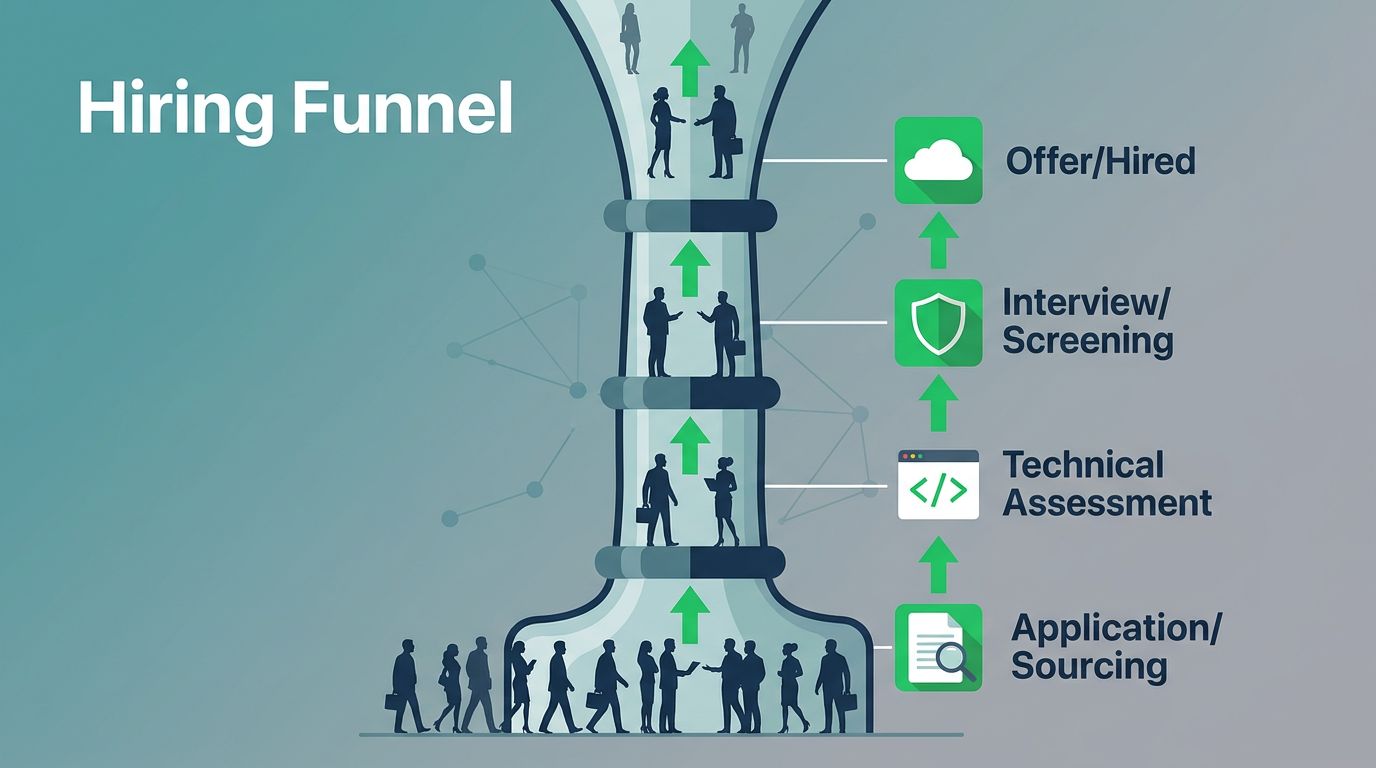
That’s why a cybersecurity hiring funnel has to do more than collect resumes. It should filter for fit, keep good candidates moving, and make the offer feel like the natural next step.
Start with the role, not the requisition
Too many teams write one long job description and hope the right people self-select. That usually pulls in noise. Instead, start with the outcomes the role must deliver in the first 90 days.
For a SOC analyst, the win might be faster triage and cleaner escalation. For a security engineer, it could be stronger detection coverage or better automation. A cloud security engineer should reduce misconfig risk and harden cloud controls. A GRC analyst needs to keep audits moving and turn policy into action. An incident responder must stay calm and clear under pressure. A security architect should shape design choices before problems reach production.
Build a scorecard around those outcomes, then rank must-haves and nice-to-haves. That keeps your sourcing tighter and your interviews sharper.
A useful test: if a skill does not change the first six months of work, it probably does not belong at the top of the funnel.
Source candidates where they already learn and work
The 2026 market is still tight. There are millions of open cyber roles worldwide, and experienced candidates are the hardest to land. Gartner’s 2026 cybersecurity trends point to AI pressure, regulation, and geopolitical risk. That means demand keeps rising for people who can defend cloud systems, manage identity, and respond fast.
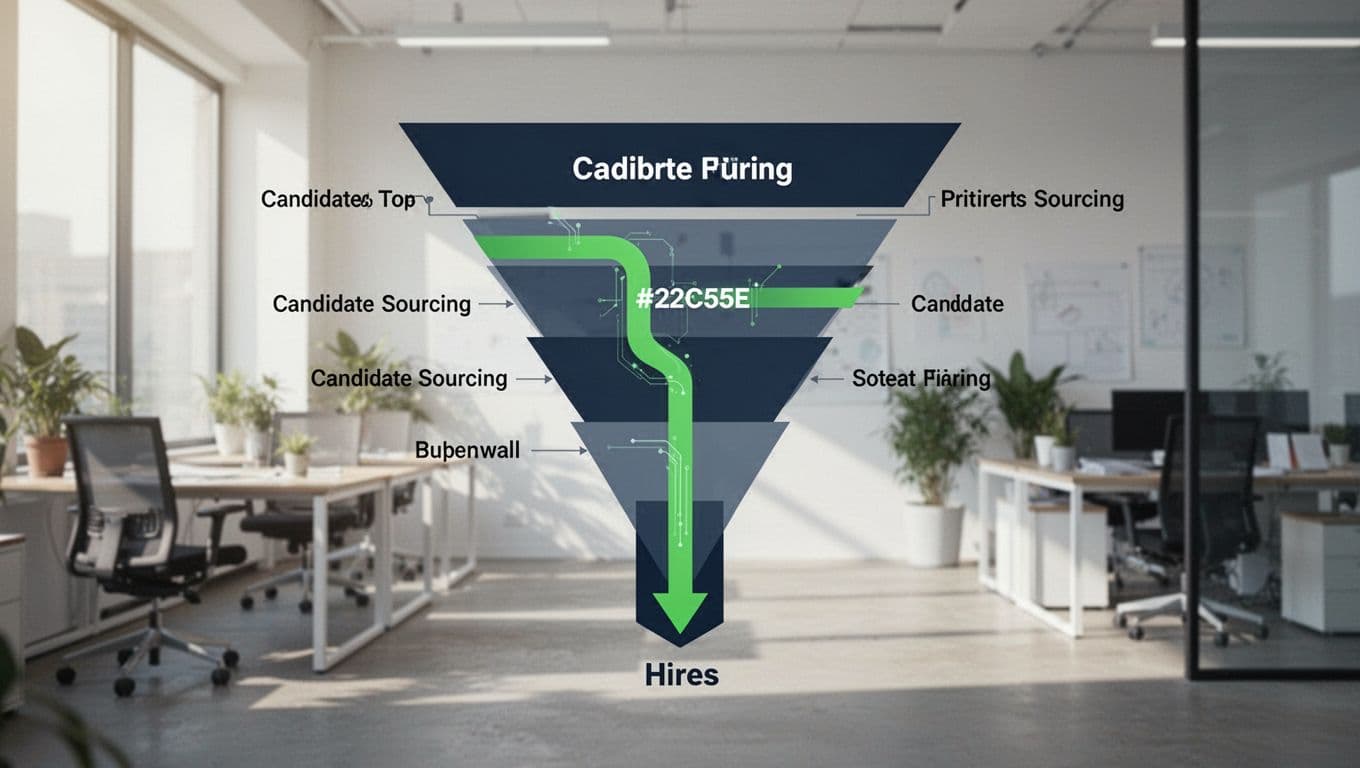
So, don’t rely on broad job boards alone. Source where your best candidates already spend time, such as niche communities, GitHub, CISSP or cloud cert groups, conference speaker lists, and referrals from trusted engineers.
The 2026 cybersecurity workforce report from SANS backs up what hiring teams already feel, the skills gap is still real. That makes source quality more important than source volume.
Use separate source lists for different roles. A SOC analyst pipeline can include recent analysts, MSSP talent, and NOC-adjacent candidates. A security architect search should look at senior engineers, consultants, and people who have led platform decisions. Different roles need different entry points.
Cut friction in screening and interviews
Once candidates raise their hand, move fast. Slow pipelines lose good people, especially in cloud, engineering, and incident response roles. The fix is not more interviews. The fix is better ones.

Start with a 20-minute recruiter screen that checks motivation, scope, compensation, and work style. Then use one role-based exercise instead of multiple vague interviews. A SOC analyst can walk through alert triage. A cloud security engineer can review a misconfigured cloud setup. A GRC analyst can map controls to a simple audit case. Keep it practical.
If your process feels like a scavenger hunt, candidates will treat it that way.
Also, train interviewers to score the same traits. That includes technical depth, communication, and judgment. When one panel wants theory and another wants hands-on proof, candidates feel the mismatch. They also lose trust.
If your pipeline is stuck on senior cloud security or IAM roles, a specialist search partner can help narrow the field faster. You can Book a Discovery Call with Bud Consulting when the search needs sharper targeting.
Track the funnel and fix leaks fast
You can’t improve what you don’t measure. A hiring funnel should show where strong candidates fall out, and why. For a broader measurement framework, 2026 hiring effectiveness KPIs are a useful reference point.
Here’s a simple scorecard to review each week:
| KPI | What it tells you | What to watch |
|---|---|---|
| Source-to-screen rate | Whether your sourcing is relevant | Low rates usually mean weak targeting |
| Screen-to-interview rate | Whether recruiter screens match the role | A drop here often means the job is too broad |
| Interview-to-offer rate | Whether interviews are finding the right person | Low rates can point to poor scorecards |
| Offer acceptance rate | Whether your pitch is landing | Weak comp, slow timing, or a shaky process can hurt this |
| Time-to-fill | How long the role stays open | Break this into active time and stalled time |
| Candidate drop-off by stage | Where people leave the funnel | High drop-off shows friction or confusion |

Review the data by role, not just by team. A SOC analyst funnel should move faster than a security architect search. An incident responder may need speed and scenario testing. A GRC analyst may need more stakeholder fit. In other words, one funnel shape won’t work for every role.
The funnel should sell the role as much as assess it
The best cybersecurity hiring funnel does three things well. It targets the right people, moves them through quickly, and gives them a clear reason to join. That matters even more in 2026, when strong candidates have options and weak processes get exposed fast.
If your funnel keeps leaking, the issue is usually not the talent market alone. It’s the way the process is designed. Fix the stages, track the numbers, and the right candidates will reach the finish line more often.