table of contents
Cybersecurity offer declines usually start before the offer letter is sent. By the time the final interview ends, top candidates are often comparing two or three processes at once, and the fastest, clearest employer usually wins.
That matters even more in 2026. Cloud security, AppSec, IAM, DFIR, and security engineering talent is still in short supply, so the final stage is where small mistakes turn into lost hires.
Spot decline risk before it becomes a no
Most hiring teams wait for a rejection and then try to explain it. A better move is to watch for weak signals right after the final interview.
The biggest warning signs are easy to miss when the panel feels positive. A candidate may still be interested, but less committed than you think.
| Signal after final interview | What it often means | Best response |
|---|---|---|
| Slower replies or short answers | The candidate is weighing another offer | Follow up the same day with a clear next step |
| More compensation questions | Pay may be below market or not well framed | Share the full package, not just base salary |
| Questions about remote, hybrid, or travel | The work model may be a deal-breaker | Confirm the actual schedule in writing |
| More questions about timeline | Another employer may be moving faster | Shorten internal approval steps |
A candidate who asks about start date, sign-on bonus, or clearance timing is not disengaged. That candidate is trying to figure out whether your process can keep up.

If the finalist starts asking for repeated status updates, your process is probably moving too slowly.
Move faster than the market
Cybersecurity hiring trends in 2026 still favor the candidate in hard-to-fill roles. Cloud security and identity work stay hot, and employers are still competing for the same small pool of experienced talent. See the broader picture in Cybersecurity hiring trends in 2026 and the talent gap data in 2026 cybersecurity job statistics.
That means long hiring cycles create risk. If the final interview happens on Tuesday and the offer is still being debated on Friday, another team may already have moved.
Build a tighter post-interview rhythm:
- Send a same-day recap with timeline and next steps.
- Ask the panel for feedback within a few hours, not a few days.
- Set one owner for candidate communication.
- Approve comp ranges before the final interview starts.
- Decide in advance who can sign off on exceptions.
The goal is simple. Remove internal lag before the candidate feels it.
A fast, organized process also signals respect. In cybersecurity, that matters because many finalists are already carrying heavy workloads and on-call pressure. They want to see that your team runs with the same discipline you expect them to bring.
Shape the offer around what finalists care about
A strong offer is not just a number. It is a clear answer to the candidate’s biggest risk questions.
For many cybersecurity professionals, those questions are about money, flexibility, growth, and job load. Recent market data shows compensation still needs to match demand, especially for specialized roles. Use 2026 cyber salary data as one reference point, then adjust for skill depth, clearance needs, and location.
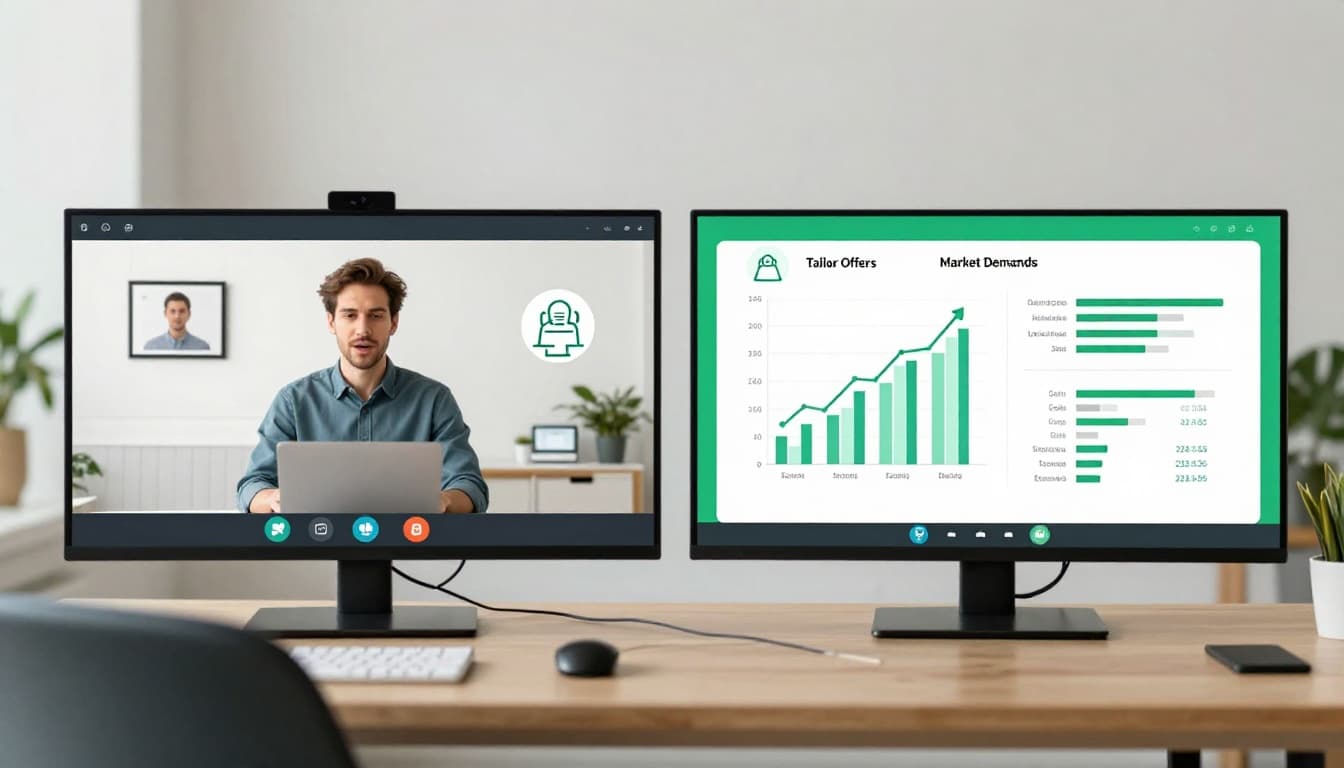
Use the final offer review to clarify:
- Total cash: base, bonus, sign-on, and any overtime or on-call pay.
- Work model: remote, hybrid, office cadence, and travel expectations.
- Growth path: whether the role leads to senior IC, manager, or architecture tracks.
- Role scope: one focused job is easier to accept than a catch-all title.
- Security clearance: current status, sponsor timing, and any delays that may affect start date.
That last point matters in federal, defense, and critical infrastructure hiring. If clearance is required, explain the timeline early. Unclear clearance steps can scare off strong candidates who already have faster private-sector options.
For hard-to-fill senior roles, a skilled partner can help you tighten the pitch before the offer goes out. If your team keeps losing finalists in cloud security, AppSec, IAM/PAM, DFIR, or senior security engineering, Book a Discovery Call with Bud Consulting.
Close the gap with clean follow-through
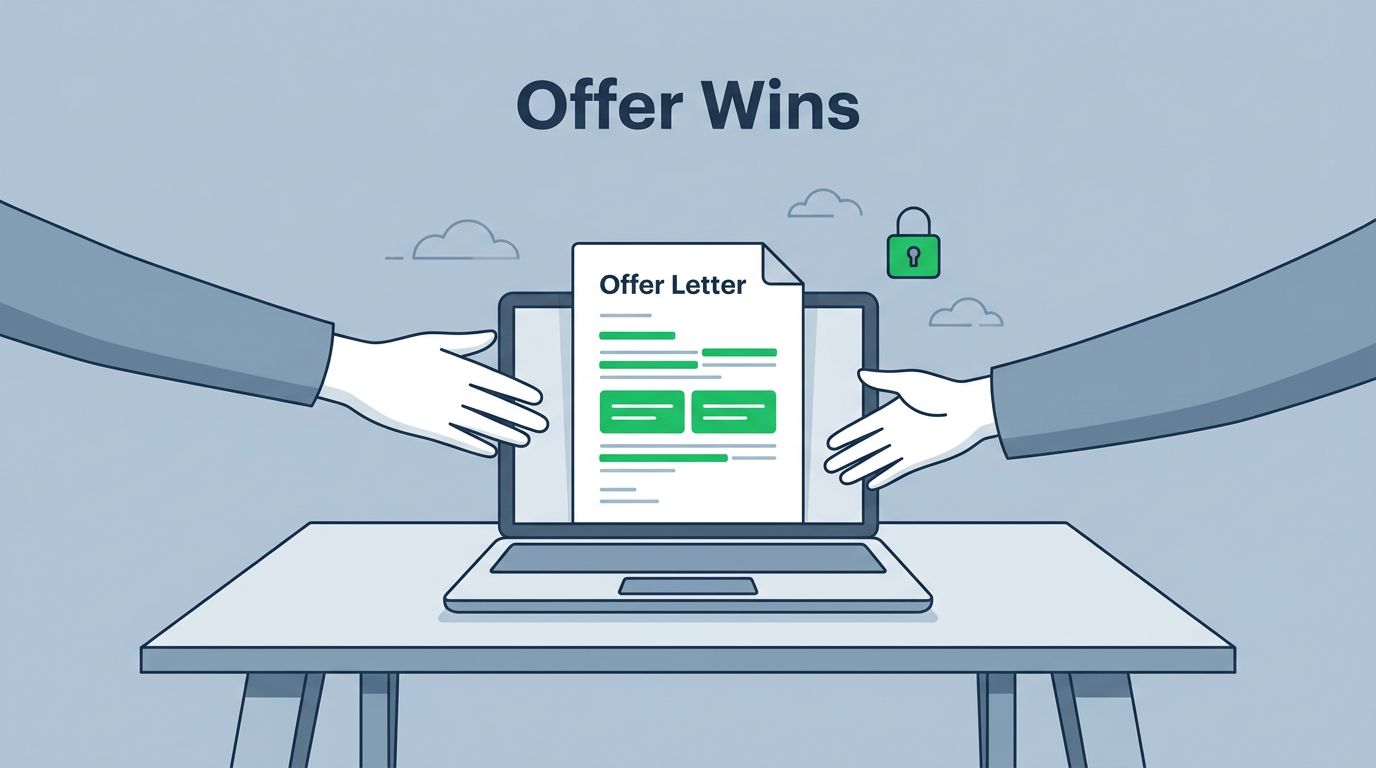
Once the verbal yes happens, send a clean offer packet right away. It should answer the questions the candidate would otherwise ask later.
Include compensation details, start date, reporting line, remote or hybrid rules, bonus language, PTO, on-call expectations, and any clearance steps. Then ask the hiring manager to make one direct call, because a human touch still matters after a final interview.
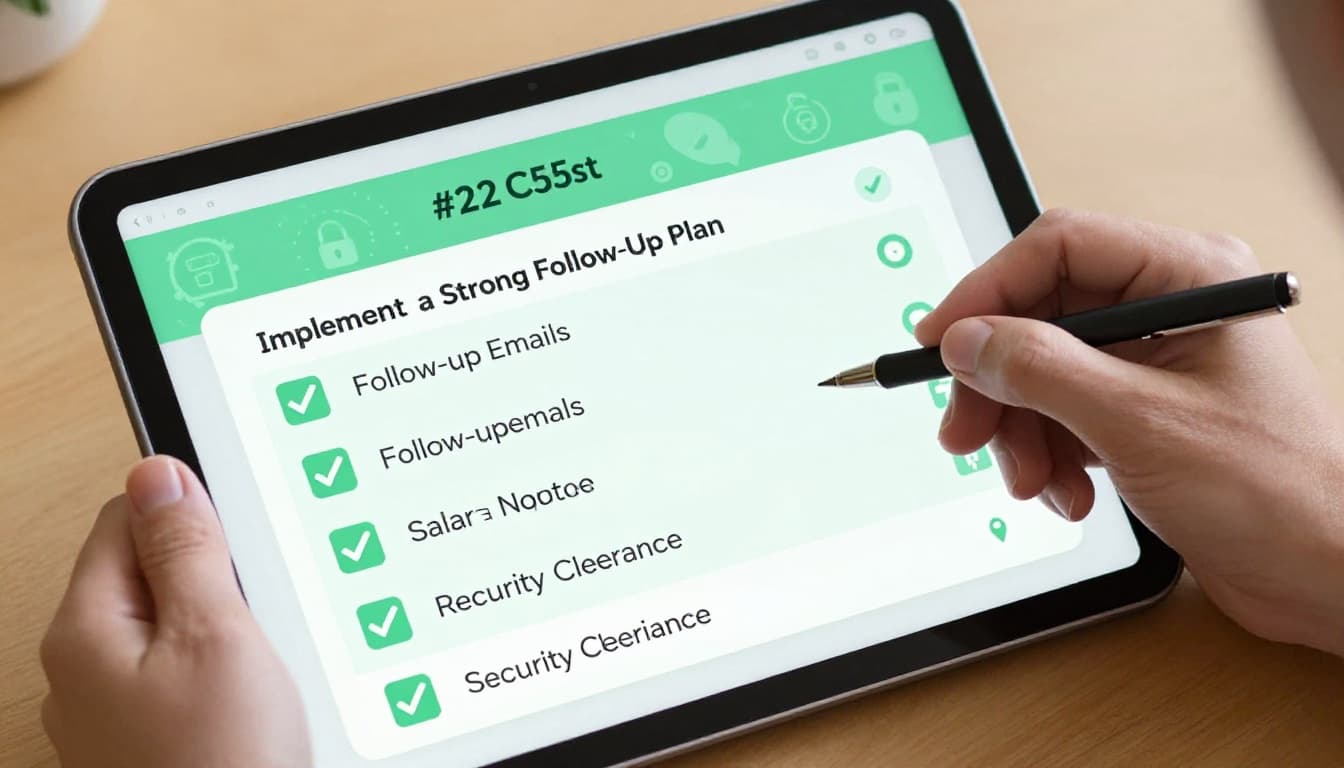
If the candidate hesitates, ask one simple follow-up question: what part of the offer still feels unclear or out of line. That gets you a useful answer fast.
The teams that lose the fewest candidates after the final interview are usually the ones that act like the offer stage starts before the offer letter. They move fast, speak plainly, and tailor the package to the person in front of them. In cybersecurity hiring, that discipline beats optimism every time.