table of contents
A cybersecurity panel interview can reveal a great hire or hide a weak process. The difference usually comes down to structure, not talent.
When the panel is crowded, unfocused, or full of overlap, candidates get mixed signals. When it’s tight and well planned, you learn how they think, how they explain risk, and how they work with others.
That matters in 2026, because security teams need people who can make trade-offs, communicate clearly, and solve real problems across the business. The sections below show how to run the interview so it produces useful decisions.
Build the panel before you book the room
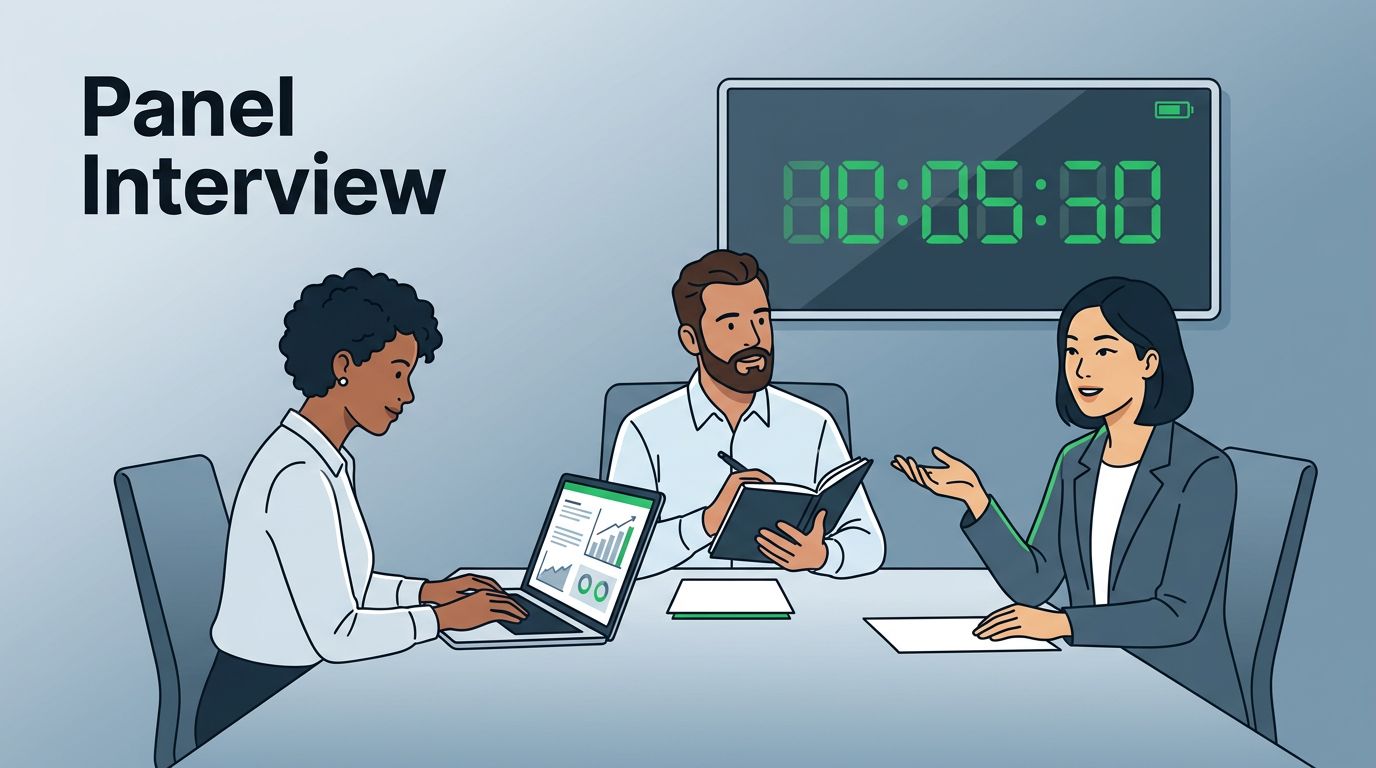
A strong panel starts with role clarity. Keep the group small, usually three or four people. One person should run the clock. Another should own technical depth. A third can check collaboration and business fit. For senior hires, add a leader who understands budget, risk, or board reporting.
If you want a simple guide for process hygiene, the dos and don’ts of panel interviews line up with the basics, keep roles clear, avoid duplicated questions, and let each interviewer cover a different angle. Phil Venables’ notes on conducting security interviews also point to the same idea, the panel should test judgment, not trivia.
Before the interview, share the job brief, the risk profile, and the exact scorecard. Then tell panelists which areas they own. That one step cuts drift and stops the loudest voice from shaping the whole conversation. Candidate experience improves too, because the room sounds organized instead of random.

If the panel can’t explain what each person is judging, the interview is already off track.
Choose the format that matches the role
A cloud security architect, IAM lead, and CISO should not face the same format. The best panel mirrors the work the person will do.
Use this simple map as a starting point.
| Format | Best for | What it shows |
|---|---|---|
| Structured Q&A | General screening and mid-level roles | Depth, consistency, and clear thinking |
| Scenario walk-through | Incident response, DevSecOps, appsec | How they diagnose, prioritize, and communicate |
| Hybrid panel | Senior hires and cross-functional roles | Business judgment, leadership, stakeholder fit |
For a CISO or VP Security candidate, ask about board updates, budget trade-offs, and how they would set risk priorities. A CISO interview question guide is useful if you need ideas, but keep your own prompts tied to your company. For hands-on roles, include a live problem such as a cloud misconfig or a failing control, then ask the candidate to walk through first steps, not a final answer.
This is where format matters. A live scenario shows how people think under pressure. A standard Q&A shows whether they can explain the basics cleanly. Put both together when the role needs depth and teamwork.
Ask questions that show real work
In 2026, strong candidates do more than name tools. They explain how they would act when time is short.
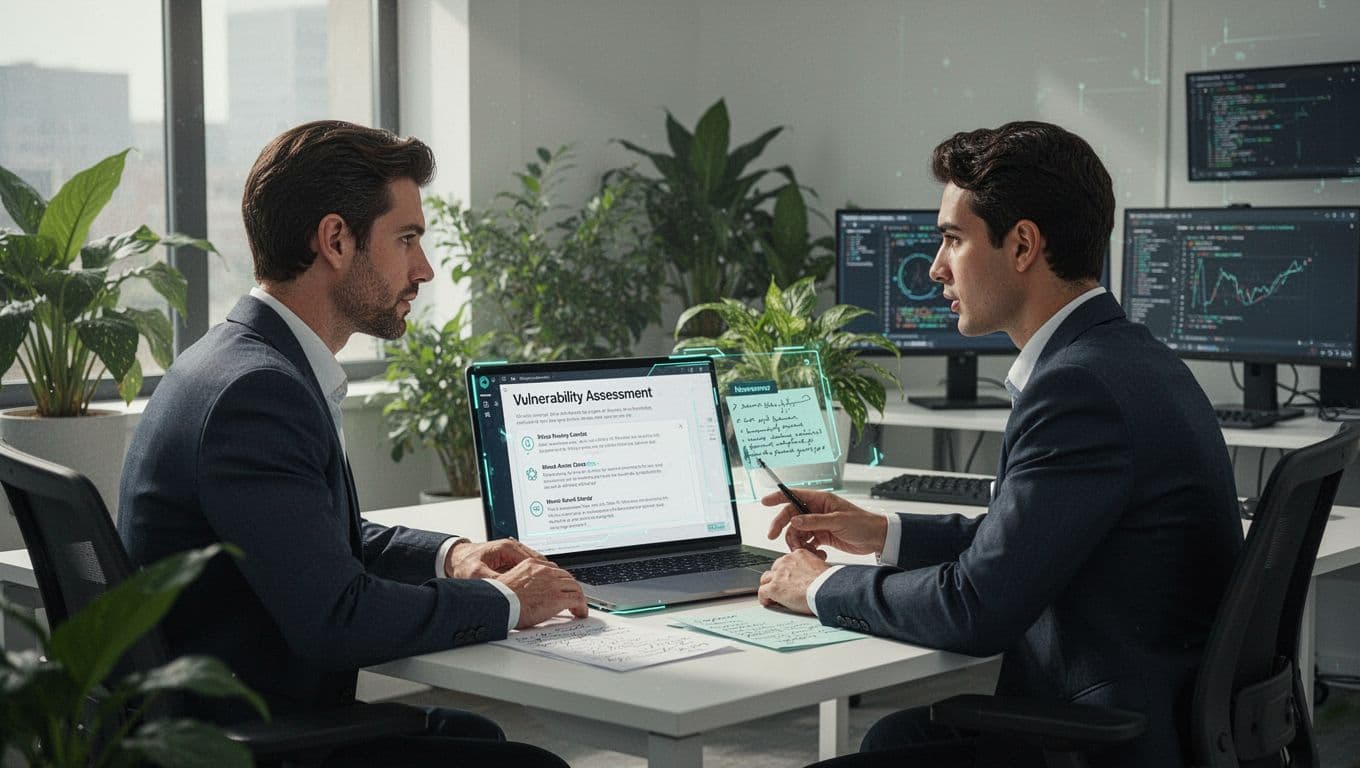
The best prompts feel like the job. For example, give the panel a Friday evening alert about exposed customer data, or a privilege issue in a cloud account. Then ask what the candidate checks first, who gets informed, and how they keep the business moving.
A few question types work well:
- Technical judgment: How would you confirm impact before you escalate?
- Collaboration: How would you work with engineering on a fix without turning the room defensive?
- Communication: How would you explain the risk to a COO in two minutes?
If the candidate only answers in jargon, the panel should press for plain language. That skill matters as much as depth in most security jobs now. Teams need people who can speak to engineers, leaders, and auditors without changing their story.
This is also where you spot red flags. Watch for blame shifting, vague answers, or a habit of jumping straight to tools before asking about scope. Those signs matter because good security work starts with judgment, not speed.
Score the interview with one rubric
Without shared scoring, panel interviews turn into memory contests. One person remembers confidence. Another remembers a single wrong answer. A third remembers tone.
Use the same rubric for every candidate. Keep it simple and job-specific.
| Criterion | What a strong answer sounds like | What to watch for |
|---|---|---|
| Technical depth | Understands risk, root cause, and trade-offs | Pure theory, tool name-dropping |
| Problem solving | Breaks the issue into steps | Jumps straight to fixes |
| Communication | Explains choices in plain words | Hides behind jargon |
| Collaboration | Includes engineering, IT, legal, or product | Blames other teams |
| Leadership judgment | Balances speed, cost, and risk | Gives a one-size-fits-all answer |
Have each interviewer score independently before the debrief. Then compare evidence, not impressions. This keeps senior voices from taking over and helps spot patterns across the panel. It also makes follow-up interviews easier, because everyone knows what is still missing.
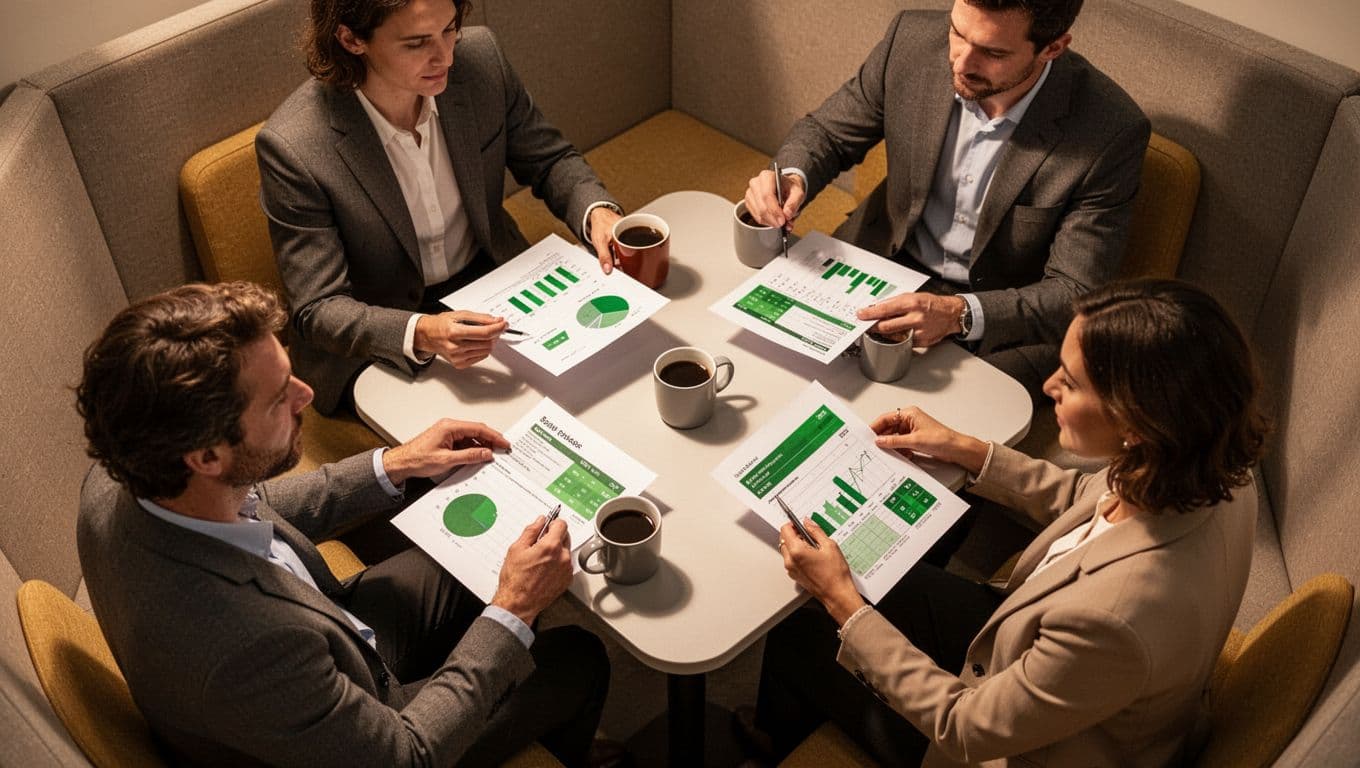
A short debrief works best. Compare scores, name the evidence behind them, and decide whether the candidate needs another round or a final decision. If your team wants help building a repeatable hiring process for hard-to-fill security roles, Book a Discovery Call with Bud Consulting.
Make the panel feel like a decision, not a performance
A well-run cybersecurity panel interview feels calm, structured, and close to the job. That’s what helps you spot real skill, not polished noise.
When every interviewer knows their lane and every question maps to work, you get cleaner decisions and a better candidate experience. That makes the hiring process stronger before the first offer even goes out.