table of contents
Reference checks for a senior cybersecurity hire can save months of pain. They can also give you false comfort if you ask generic questions and stop at polite praise. For a CISO, security director, or VP of security, you need proof of judgment, pressure handling, and team leadership.
The best cybersecurity reference checks do three things. They confirm the candidate’s real scope, show how they led through risk, and reveal whether their style fits the job. Start by treating the call like a structured evidence check, not a casual chat.
Why senior cybersecurity reference checks need a different lens
A senior cyber leader can look strong on paper and still miss the mark. Some candidates had narrow team scope, inflated titles, or little real ownership of incidents. Others were skilled operators but weak at board communication.
That is why the reference call has to go beyond “Were they good?” and “Would you rehire them?” For a broader executive lens, Managing Reference Checks for C-Suite Executives is a useful benchmark, especially when discretion matters.
As of April 2026, the best checks also test how a leader handled AI-driven phishing, zero-trust rollouts, cloud controls, and proof of compliance. Those are now core parts of the job. A senior hire who cannot speak to them in detail may not be ready.
A step-by-step process that gets past polished answers

- Set the frame before you call. Explain the role, the level, and the kind of insight you need. Ask for a reference who worked closely with the candidate, not a casual contact.
- Confirm the relationship and scope. Ask how long they worked together, in what setting, and what decisions the candidate actually owned. This helps you spot inflated titles fast.
- Move from claims to examples. If the candidate says they led incident response or built a zero-trust plan, ask what the reference saw. Real leaders can be described in concrete terms.
- Test leadership under pressure. Ask how the candidate acted during a breach, a major outage, a board review, or a hard budget call. Senior cybersecurity roles live or die on that kind of judgment.
- Probe for blind spots. Every strong hire has one. Ask where the candidate needed support, what they struggled with, and what kind of teammate they needed around them.
- Close with a calibration question. “Would you hire them for this role today?” is useful, but it should not stand alone. Follow it with “Why?” and “What would have to change for that answer to be no?”
A vague answer is a signal, not a failure. It often means the reference didn’t work closely enough to judge.
Questions that surface leadership, not rehearsed praise
LinkedIn’s reference check questions are a decent starting point, and Greylock’s executive reference checklist shows how much better a senior-level call can be when it stays focused. For cybersecurity leaders, the questions need sharper edges.
Use questions like these:
- What was the candidate personally accountable for on your team?
- Where did they show real technical depth, and where did they rely on others?
- How did they handle a security incident, and what changed afterward?
- How well did they translate risk for the board or other executives?
- What happened when business goals conflicted with security advice?
- How did they work with legal, IT, product, or operations teams?
- If this role required AI defense work or zero-trust planning, how strong would they be?
Listen for details, not adjectives. “Strong communicator” tells you little. “Explained a breach to the board in one page and kept the room calm” tells you a lot.
Use a scorecard so every call tells the same story
A simple scorecard keeps every reference call consistent. It also helps different interviewers compare notes without drifting into gut feel.
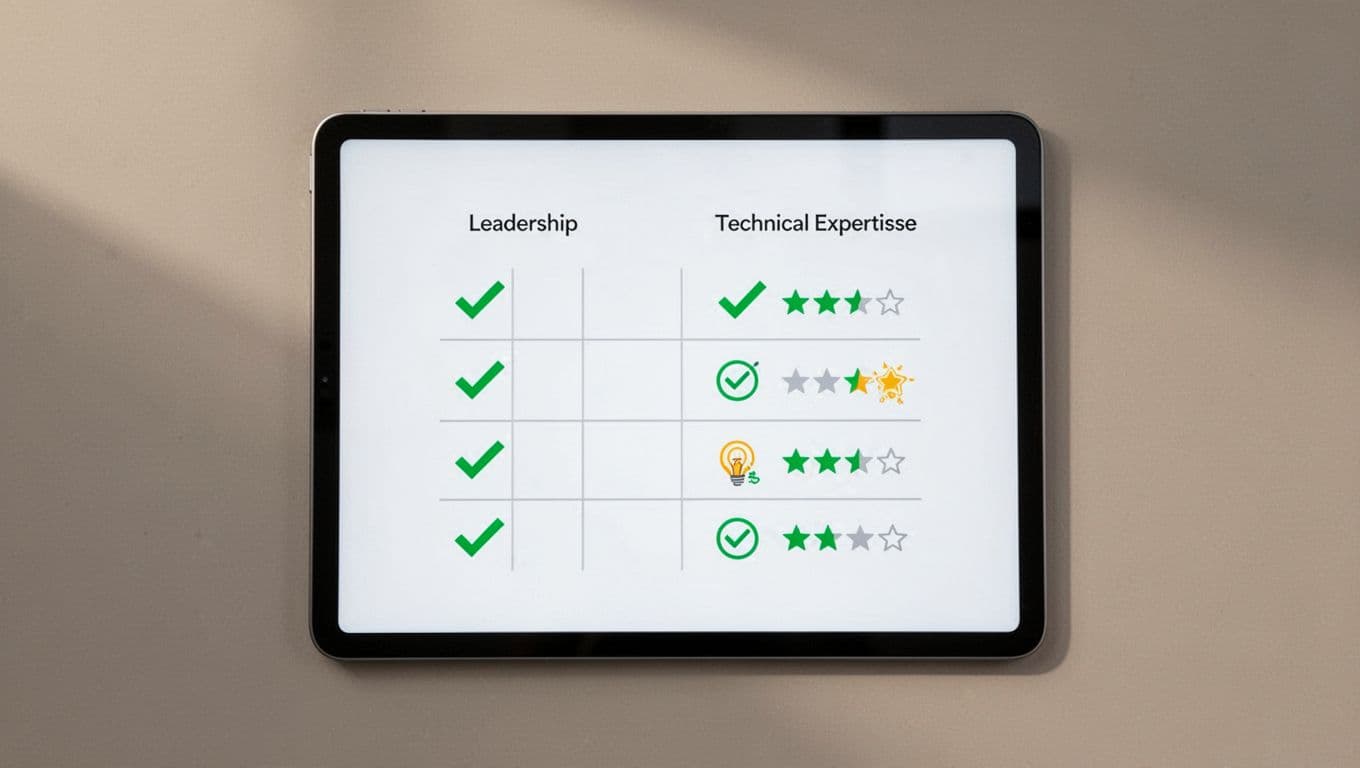
| Area | What strong evidence sounds like | Score 1-5 |
|---|---|---|
| Scope and ownership | Clear control of budget, team size, and decision rights | |
| Technical depth | Specific examples of architecture, controls, or response work | |
| Leadership under stress | Calm, fast, and decisive during incidents or conflict | |
| Cross-functional influence | Worked well with legal, finance, IT, and executives | |
| Integrity and follow-through | Kept promises, owned mistakes, and fixed problems |
A 3 in technical depth may still be fine for a CISO if leadership is strong. A 2 in integrity or judgment is a bigger concern. That gap matters in senior security roles.
Document each call in the same format every time. Record the reference’s title, relationship to the candidate, date of the call, key examples, and your score. Mark anything indirect as unverified, and separate fact from opinion in your notes.
The traps that distort cybersecurity reference checks
Confidentiality is the biggest challenge. References often avoid direct criticism, especially in a small security market. Ask about actions, outcomes, and behavior, not accusations.
Off-the-record comments can be useful, but they should not drive the decision. Treat them as leads, then look for a second source. Inflated titles also show up often, so verify reporting lines, team size, and budget ownership.
Incident attribution can be messy too. A candidate may be linked to a breach without causing it. Ask what they owned during the event, what choices they made, and what changed after the postmortem.
The hardest part is separating technical depth from leadership effectiveness. A brilliant architect may not be the right person for a board-facing CISO role. Likewise, a polished executive without real security judgment can create hidden risk fast.
If you’re hiring for a CISO or head of security role and want help pressure-testing finalists, Book a Discovery Call with Bud Consulting.
The clearest hires leave a trail of evidence
Strong reference checks do more than confirm a good reputation. They show what the person owned, how they led, and how they behaved when the stakes were high. That is the real test for senior cybersecurity hires.
When the answers are specific, the decision gets easier. When they stay vague, that hesitation is useful too.