table of contents
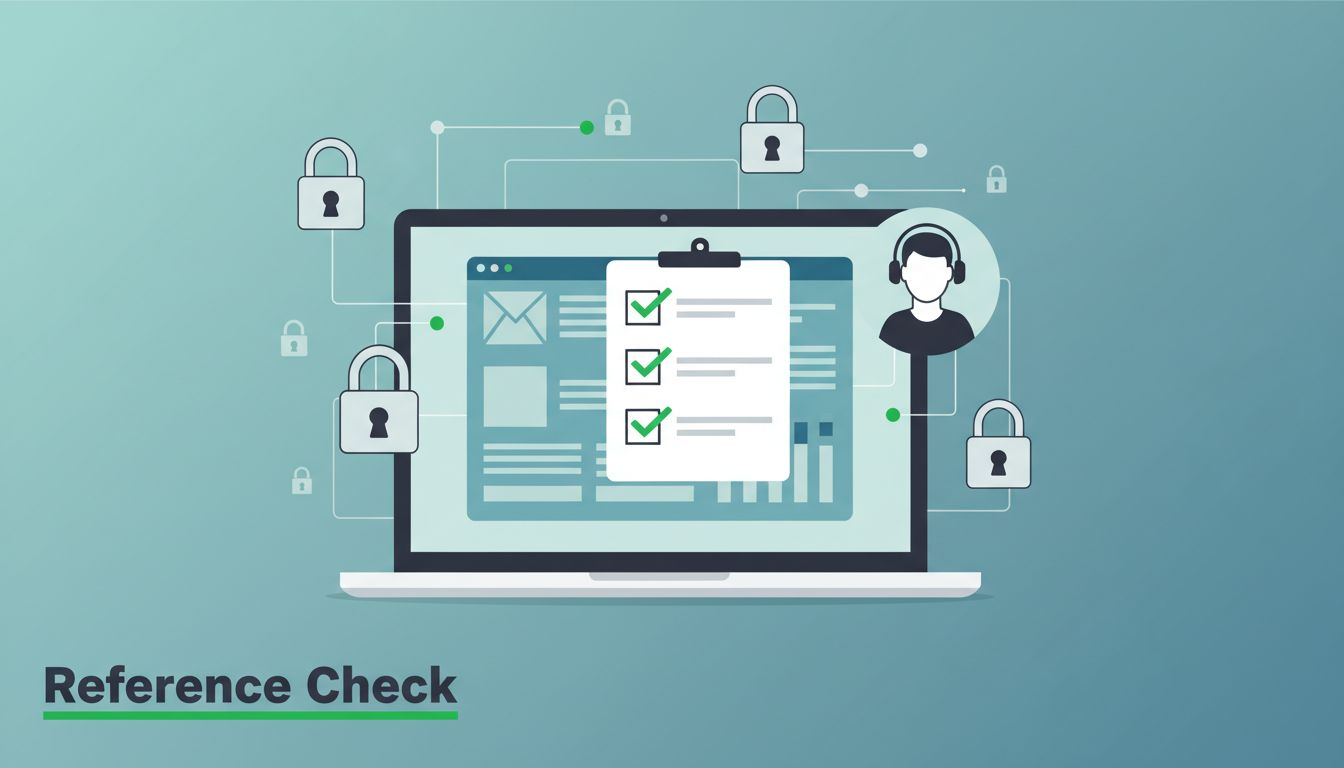
Polished resumes can hide weak judgment. That’s why cybersecurity reference checks matter so much for technical hires. The best calls do more than confirm dates and titles in the hiring process. They show whether a person shipped real security work, handled pressure, and communicated clearly across teams.
For analysts, engineers, architects, and security leaders, the reference call should feel like a quick field report. Good questions uncover scope, ownership, incident handling, and trust. The goal is simple, learn what the interviews could not show about cybersecurity candidates.
Key Takeaways
- Cybersecurity reference checks confirm real ownership, incident handling, communication, and documentation—beyond what resumes or interviews show.
- Tailor questions to role: individual contributors need proof of end-to-end work; leaders need examples of prioritization, coaching, and cross-functional influence.
- Seek concrete examples with tools, timelines, and results; vague praise or hedging signals weak experience.
- Avoid legal risks by sticking to job-related questions—never protected traits or personal gossip.
- Strong references sound like field reports: practical proof of scope, judgment under pressure, and team trust.
What strong reference checks should confirm
In the reference check process, a technical reference should answer four things: what the candidate really owned, how they handled risk, how they worked with others, and whether their work held up after handoff. These checks go beyond standard background checks by revealing technical skills and soft skills. That aligns with general guidance from Holloway’s technical recruiting guide and GDH’s reference check questions, but security roles need sharper proof.
| What to confirm | Why it matters |
|---|---|
| Real ownership | Shows what they actually did, not what the team did around them |
| Incident handling | Reveals calm, speed, and judgment under pressure |
| Communication | Shows how they explain risk to non-security teams |
| Documentation | Tells you whether others can use their work after they move on |
The best reference checks sound like a work sample, not a character review.
When vetting candidates, if the call can’t produce concrete examples, you don’t have much signal. Praise matters less than proof.
Sample questions for individual contributors
Use questions that pull out one specific story at a time.

- What work did they own end to end, and what needed supervision? This helps verify the candidate’s true scope.
- Can you share one security issue they found or fixed? This highlights their problem-solving skills in handling real technical work, not only theory.
- How did they handle incident response when an incident escalated? You learn about judgment, pace, and composure.
- What did their documentation look like? Good security work should be traceable, repeatable, and clear.
- How well did they work with engineering, IT, or product teams? This exposes cross-functional communication habits.
- Were they comfortable raising risk early, even when it created friction? This helps you assess trustworthiness and backbone.
- What part of their work would you trust them to own without close oversight? That question often reveals the real answer fast.
For individual contributors, listen for the difference between “helped with” and “owned” in responses from previous employers. That gap matters. A candidate who found a vulnerability is one thing. A candidate who triaged it, documented it, and got it fixed is another.
Questions that fit security managers and leaders
Hiring managers need a different test for these roles. Security managers can be strong operators and weak leaders. So the reference call should show how they made decisions, guided people, and handled conflict.

- How did they set priorities when several risks competed at once? This shows how they think under pressure.
- What role did they take during a major incident? You want to know if they led, coordinated, or waited for direction.
- Did they build repeatable process, or solve problems case by case? This helps you gauge maturity.
- How did they coach weak performers or raise team skill? A strong manager develops people, not just plans.
- How did they work with execs, legal, and business owners? Security leaders need clear, calm communication across functions.
- Would you hire them again for a leadership role? It’s a simple question, and it often gets a direct answer.
If you’re hiring a security lead, pay close attention to how the reference describes team trust. A manager can hit metrics and still leave a broken culture. Issues like professional conduct and cultural fit are qualitative risks that many interview loops miss.
How to separate signal from polite praise
General reference advice can help, especially from GoodHire’s employer guide. Still, technical hires need more than broad praise. You’re looking for detail, not decoration, much like structured interviews that probe for specifics.
Vague praise is polite. Specific detail is useful.
Strong answers usually include tools, timelines, team size, and results. Weak answers drift into slogans. If a reference says the candidate was “great to work with” but can’t name one outcome, keep asking.
Look for these signs and red flags:
- Concrete examples usually mean the reference worked closely with the candidate.
- Balanced feedback often sounds more honest than perfect praise.
- A short pause before answering can mean the reference is choosing words carefully.
- Repeated hedging can signal poor performance or limited exposure.
When possible, ask the same core question in two ways. For example, first ask about incident response, then ask about documentation after an incident. This risk-based screening approach helps spot real experience through overlapping details.
Questions to avoid for legal and compliance reasons
Reference checks differ from other screening processes like employment verification, criminal history checks, education verification, credit history check, and identity verification. Keep every question tied to job performance. Don’t ask about age, marital status, children, religion, medical history, disability, pregnancy, citizenship, or other protected traits, which could involve sensitive information. Avoid personal gossip too.
Backdoor reference checks can also create problems if you contact people outside the agreed process. For more detail on legal risk, see legal risks of reference checks and the legal dangers of backdoor reference checks. When in doubt, keep the conversation factual and job related.
Frequently Asked Questions
Why are cybersecurity reference checks essential for technical hires?
Polished resumes hide weak judgment, but references reveal what candidates truly owned, how they handled incidents, and their communication across teams. They provide concrete proof of skills interviews miss, like composure under pressure and clear documentation. This separates proven professionals from those with only theoretical knowledge.
What are the best questions for individual contributors?
Ask about end-to-end ownership, specific security issues fixed, incident response, documentation quality, cross-team work, risk-raising, and unsupervised tasks. Listen for ‘owned’ vs. ‘helped’ to gauge real scope. Concrete stories with outcomes beat general praise.
How do reference questions differ for security managers and leaders?
Focus on prioritization under competing risks, incident leadership, building repeatable processes, coaching teams, exec communication, and rehire willingness. These uncover decision-making, people development, and cultural impact. Team trust and balanced feedback are key signals.
How can you spot useful signal from polite praise?
Look for specifics like tools, timelines, team sizes, and results; balanced views with short pauses often mean honesty. Rephrase questions for overlap and watch for hedging or vagueness. Vague answers say as much as concrete ones.
What questions should you avoid in reference checks?
Steer clear of protected traits like age, religion, disability, or personal gossip—keep it job-related. Backdoor checks outside agreed processes carry legal risks. Focus on performance facts to stay compliant.
The signal that matters most
The strongest security references sound practical, not personal. They confirm real scope, clear thinking during incidents, and the way a candidate works with others, all key to preventing insider threats or potential data breaches. That’s what helps you separate a polished interview from a proven cybersecurity professional with strong security awareness.
If the reference can describe concrete outcomes, you probably have useful signal. If every answer stays vague, that says something too. For teams that want to sharpen their recruitment process with technical hiring conversations, Book a Discovery Call with Bud Consulting.