table of contents
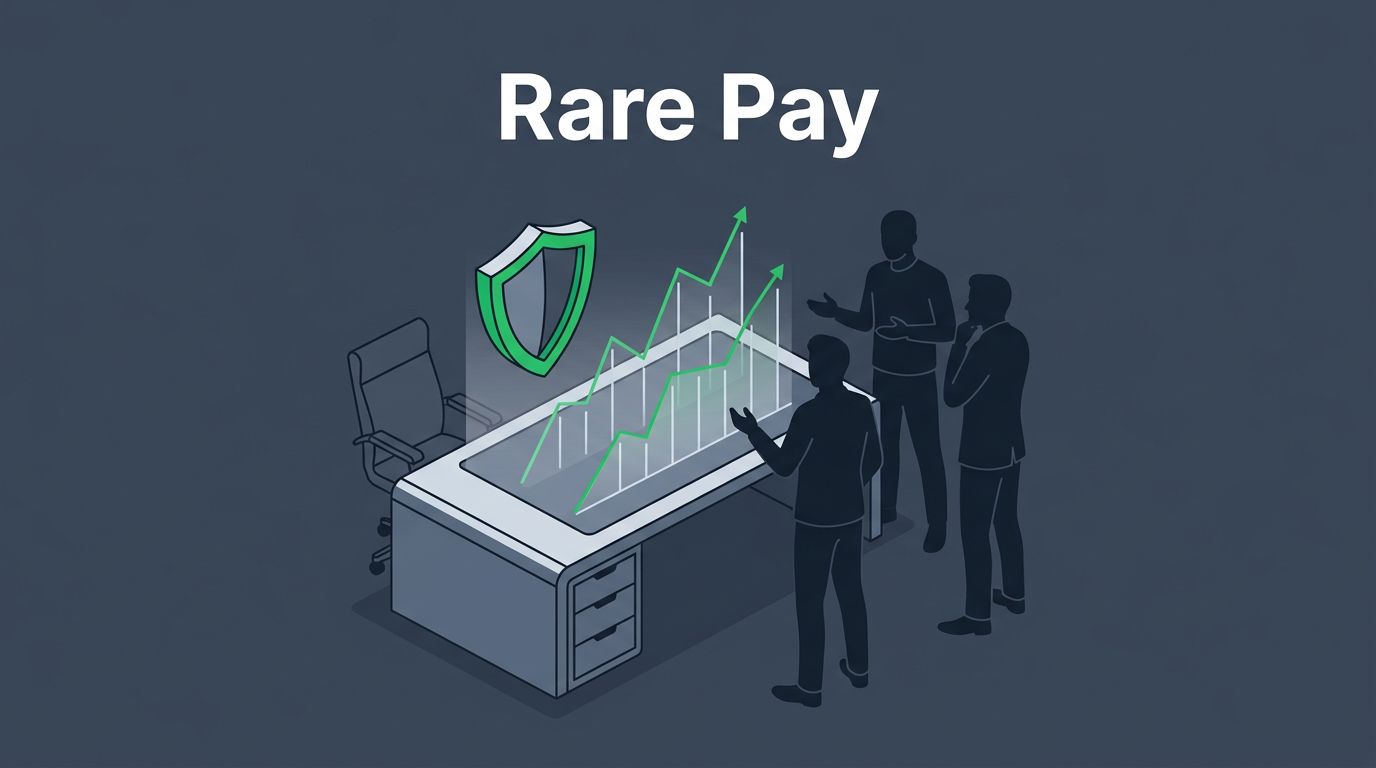
When people search cybersecurity salary bands, they often want one clean number. Rare roles don’t work that way.
A cloud security architect in a regulated bank, a DevSecOps engineer at a cloud-first company, and a CISO at a mid-sized firm can all sit on different pay tracks. Base salary matters, but total compensation tells the fuller story.
In 2026, the spread is wide because experience, clearance, and niche tools matter more than job titles. The ranges below show where the market is landing now, and where offers still climb fast.
Why rare roles pay above the market average
Rare roles cost more because they reduce risk in places where mistakes are expensive. Cloud security architects shape the controls that keep core systems safe. IAM and PAM specialists guard access, while DevSecOps teams try to stop insecure code before release.
That kind of work is hard to hire for. The market has more demand than seasoned talent, so employers pay for speed, trust, and a short learning curve. A broader 2026 cybersecurity salary guide from HADESS shows the same pattern across common cyber jobs, but rare roles sit above the middle of the pack.
Scope also matters. A title can hide very different jobs. One company wants a hands-on builder. Another wants a lead who also mentors teams, handles audits, and speaks to executives.
The title matters less than the scope. A narrow specialist role and a broad owner role do not price the same.

2026 salary bands for rare cybersecurity roles
The table below uses U.S. base salary, since base pay is the cleanest apples-to-apples comparison. Total compensation can run 20% to 50% above base in private-sector roles, and even more for senior leaders or equity-heavy firms.
| Role | Typical 2026 base salary band | Main pay drivers |
|---|---|---|
| Cloud Security Architect | $130,000-$220,000 | Multi-cloud depth, regulated environments, architecture leadership |
| IAM/PAM Specialist | $115,000-$200,000 | Okta, SailPoint, CyberArk, identity modernization, audit pressure |
| DevSecOps Engineer | $115,000-$200,000 | CI/CD depth, cloud-native stacks, container security, platform skill |
| Application Security Leader | $145,000-$250,000 | Secure SDLC ownership, team leadership, developer influence |
| Offensive Security Expert | $110,000-$210,000 | Red-team skill, exploit research, cloud and purple-team work |
| CISO | $220,000-$420,000+ | Company size, board exposure, regulated scope, bonus and equity |
Cloud security is a useful benchmark. Levels.fyi cloud security architect data shows a median total compensation near $201,000 and a 90th percentile near $367,000. That gap tells you how much location, scope, and company size can move an offer.
Rare roles with thin public data, like deep app sec research or niche offensive work, need wider bands. The market often blends them with adjacent titles, so treat any single number as a starting point, not a promise.

What moves one offer higher than another
The four drivers that move offers
- Location moves the number fast. San Francisco, New York, San Jose, and Washington, DC still pay more, often 20% to 30% above smaller markets. Remote offers usually sit between those two ends.
- Security clearance adds real value in federal and contractor work. The cleared professionals salary guide shows that Secret and Top Secret access can add $10,000 to $40,000.
- Regulated industry exposure pushes pay up too. Finance, healthcare, defense, and critical infrastructure pay for lower risk and faster response. A specialist who knows audits and controls can price above a pure technical peer.
- Niche technical depth matters when the work is hard to replace. Hands-on AWS, Azure, Kubernetes, Okta, SailPoint, CyberArk, or exploit research skills move offers up. So does proof that you can lead, not just operate tools.
Certifications help when they match the job, but they rarely beat real delivery. A CISSP or cloud cert can support a band, yet the strongest offers still go to people who have solved the same problems before.
How employers and candidates should use these bands
For job seekers, base salary is only one piece. Bonus, equity, sign-on cash, on-call load, and clearance premiums can change the real value of an offer. If the role is rare, compare it against the scope, not just the title.
For employers, the band has to match the market you are fishing in. A narrow midpoint can work for common roles. It falls apart when you need someone who can design, defend, and explain the system to leaders.
If you are building a band for one of these hard-to-fill roles, or you want a market check before you post the job, Book a Discovery Call with Bud Consulting can help pressure-test the range against current demand.
Rare cybersecurity hiring works best when the offer matches the scarcity. A strong band gets attention. A weak one loses the people who can do the work.
What the 2026 market really says
Rare cybersecurity roles don’t have neat price tags. They have bands, and those bands shift with scope, clearance, and the cost of getting the work wrong.
For 2026, the cleanest rule is simple. Base salary shows the floor, total compensation shows the full offer, and the rarest skills pull both higher when the market is tight.