table of contents
Cybersecurity threats hit hard these days. You need skilled people fast, but talent shortages make hiring tough. With 4.8 million global unfilled jobs, costs climb quick.
You’re likely comparing staffing options right now. Cybersecurity staffing pricing varies a lot. It depends on roles, locations, and contracts. This guide breaks it down so you pick the right fit without surprises.
Key Factors Driving Pricing in 2026
Several things push cybersecurity staffing pricing up. Role scarcity tops the list. Demand outstrips supply for experts in cloud security or incident response. Companies bid higher to grab them.
Location matters too. Salaries run 20-30% higher in tech hubs like San Francisco or New York. Remote roles help, but top talent still commands premiums.
Compliance needs add costs. Roles tied to regulations like GDPR or HIPAA require vetted pros. Agencies charge more for background checks and certifications.
Contract length influences rates. Short gigs pay higher hourly. Long-term deals often discount a bit.

Engagement models shift prices. Contract staffing differs from managed services. Staffing brings talent to your team. Managed services handle operations end-to-end, often at higher total cost.
For example, scarcity hits cloud security engineers hard. Firms pass that on through markups. Check KORE1’s 2026 IT staffing pricing guide for markup details. It shows ranges from 25% to 75% on bill rates.
In short, expect variability. Base rates reflect these pressures.
Pricing Breakdown by Role
Costs tie directly to role demands. Entry-level spots cost less. Senior ones demand more.
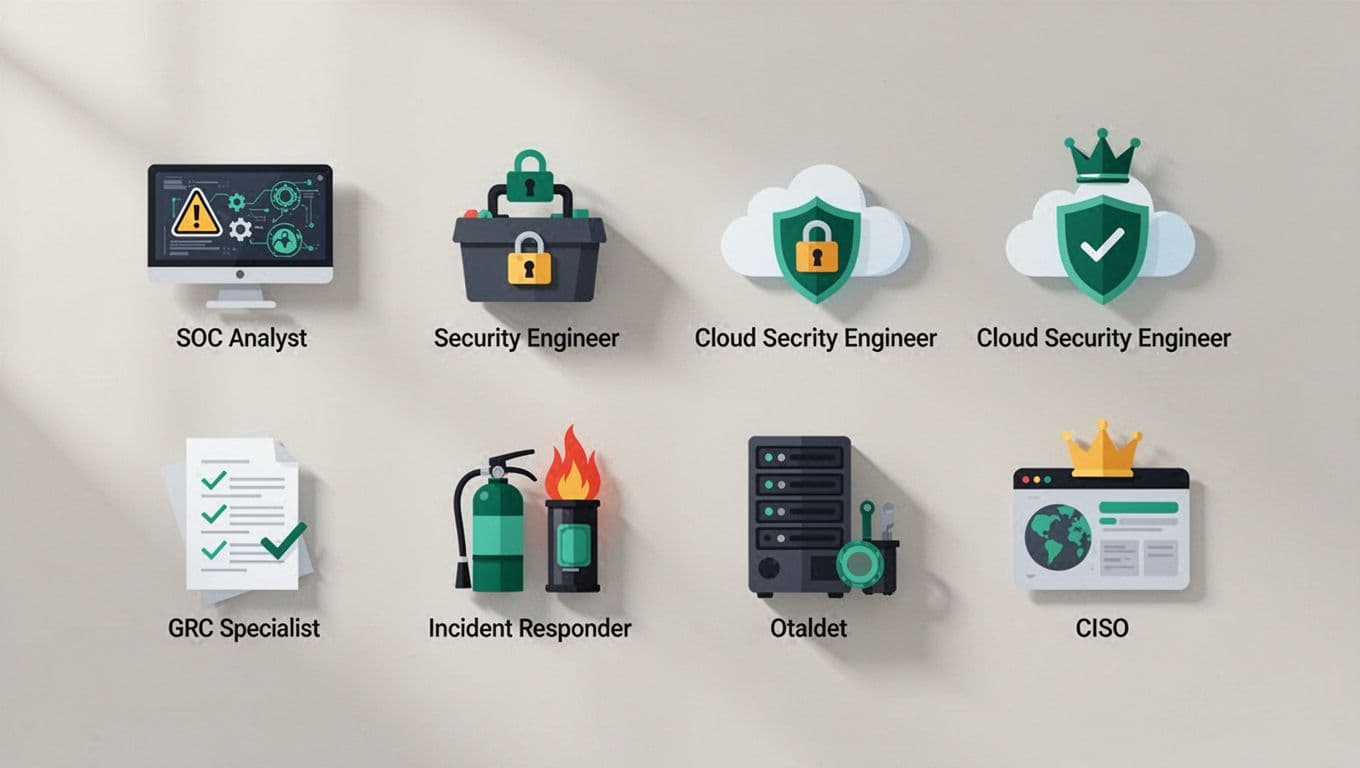
SOC analysts start at $70,000 to $100,000 yearly salary equivalent. Agencies bill $60 to $90 hourly for contracts.
Security engineers and cloud security engineers range $105,000 to $180,000. Hourly hits $100 to $150. Cloud skills push the top end because of AWS or Azure booms.
GRC specialists match that mid-level band. They handle governance, risk, compliance. Bill rates sit $95 to $140 per hour.
Incident responders charge premium during peaks. Expect $110 to $160 hourly. Urgency drives this up.
CISOs or virtual CISOs top the chart. Salaries exceed $175,000, often $300,000 plus. Contracts bill $200 to $300 hourly. Placement fees run 25-35% of first-year pay.
Here’s a quick comparison:
| Role | Annual Salary Range | Contract Hourly Rate |
|---|---|---|
| SOC Analyst | $70K–$100K | $60–$90 |
| Security Engineer | $105K–$180K | $100–$150 |
| Cloud Security Eng. | $105K–$180K | $100–$150 |
| GRC Specialist | $105K–$180K | $95–$140 |
| Incident Responder | $105K–$180K | $110–$160 |
| CISO/vCISO | $175K–$300K+ | $200–$300 |
This table pulls from 2026 trends. Actual quotes fluctuate. See Clutch’s cybersecurity pricing guide for April 2026 for location tweaks.
These ranges help you budget. Match them to your needs.
Markup Structures and Hidden Fees
Agencies build markups into bill rates. They cover pay, taxes, insurance, and profit. Typical spread is 25-50% for mid roles, up to 75% for seniors.
For contracts, you pay hourly bill rate. Worker gets pay rate, say $50/hour. Agency adds 50% markup, so you pay $75.
Direct hires charge placement fees. That’s 15-30% of first-year salary. A $150,000 engineer costs $22,500 to $45,000 extra.
Contract-to-hire mixes both. Upfront hourly, then fee if permanent.
Watch contract terms. Minimums lock you in. Notice periods add costs if early exit.
Transparency matters. Good vendors break down markups. Ask for pay rate visibility.
BridgeView’s IT staffing cost breakdown for 2026 explains bill rates well. It notes $60-185/hour averages.
Fees surprise buyers. Scrutinize them early.
Common Engagement Models Explained
Contract staffing fits quick needs. Pay hourly or weekly. Scale up or down easy.
Permanent placement suits long-term. One-time fee, then full control.
Staff augmentation blends in. Pros join your team temporarily.
Virtual CISO offers part-time leadership. Often monthly retainers, $10,000 to $25,000.
Each model affects total spend. Contracts cost more per hour but avoid benefits. Permanents save long-run.
Pick based on project length. Short breach response? Go contract. Ongoing SOC? Consider permanent.
Smart Questions for Vendors
Probe before signing. What’s the exact markup breakdown? How do you vet for compliance?
Ask about time-to-fill. Top firms deliver in 14 days.
What’s the conversion fee for contract-to-hire? Any exclusivity clauses?
Request references from similar roles. Confirm retention rates.
These questions reveal true value.
Pricing boils down to matching needs with clear terms. Talent shortages keep rates high, but smart choices control costs. Focus on transparency and fit.
Ready to compare options? Book a Discovery Call with Bud Consulting to discuss your gaps.
What role do you need most? Start there.