table of contents
Picking top rated cybersecurity strategy consultants is harder than picking a tool vendor. The best fit depends on how your business runs, where you operate, and how much change your teams can absorb.
A bank, a hospital group, and a SaaS company may need very different help. One may want a new governance model, another may need regulatory readiness, and a third may need zero trust and cloud security planning.
How to judge consultants without getting lost in rankings
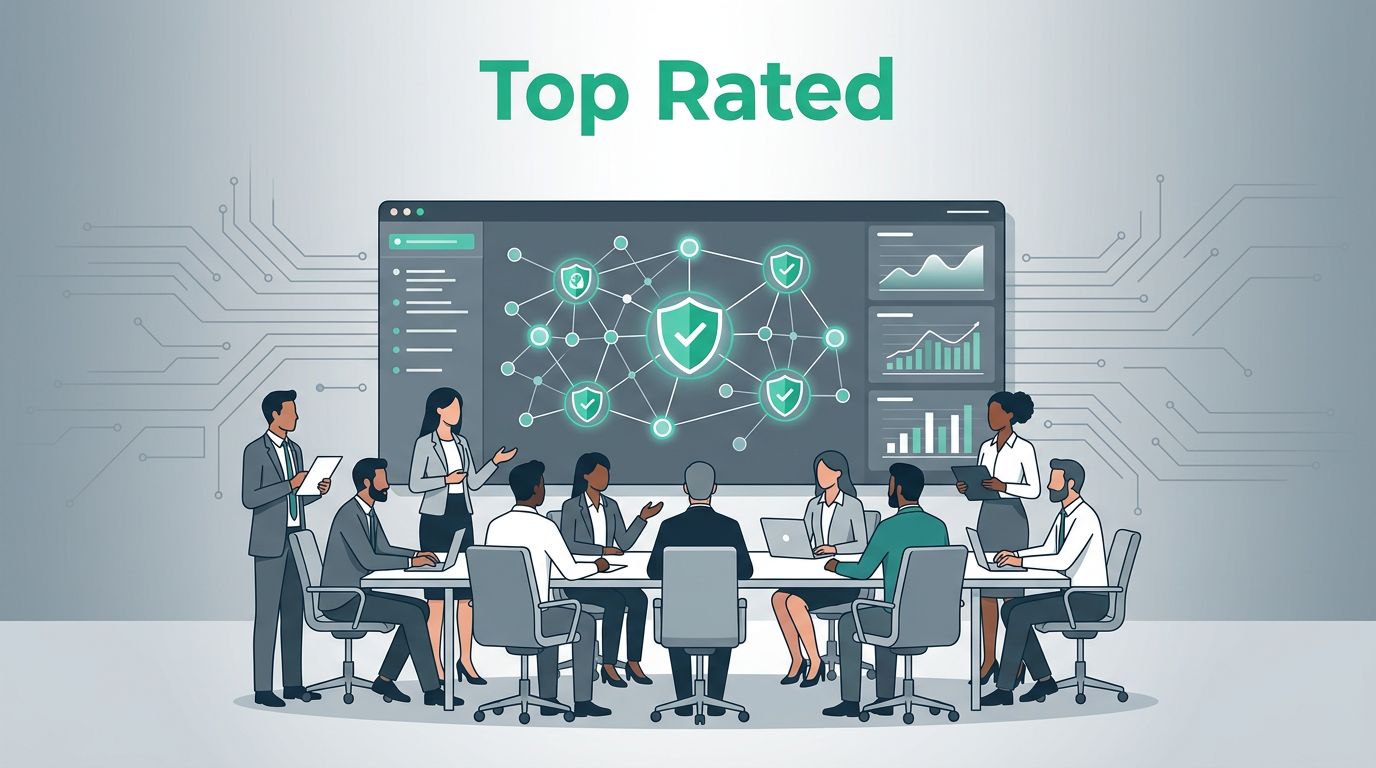
“Top rated” is not one fixed list. It changes with company size, industry, geography, and budget, so the right answer for one buyer may be wrong for another.
That’s why review sites matter, but only as a starting point. Sources like Gartner Peer Insights and Clutch cybersecurity rankings can show patterns in client feedback, yet they won’t tell you whether a team can redesign your security operating model.
Top-rated doesn’t mean biggest. It means best matched to your risk, budget, and operating model.
Look for firms that can speak to business risk, not only technical controls. Strong cybersecurity strategy consultants should be able to explain board reporting, operating model design, identity strategy, cloud security, and regulatory readiness in plain language.
Also, pay attention to the senior team, not just the logo. A famous brand with junior delivery can be less useful than a smaller team with deep enterprise experience.
Consulting firms that often stand out in 2026
The firms below are not the only options, but they’re often mentioned in enterprise conversations and current market roundups, including the 2026 independent cyber consultant ranking. The right choice still depends on the work you need done.
| Firm | Typical strengths | Best fit |
|---|---|---|
| McKinsey & Company | Cyber strategy, operating model design, board-level advice | Large enterprises and major transformations |
| Deloitte | Governance, risk, compliance, cloud security, regulatory readiness | Regulated industries and audit-heavy programs |
| EY | Cyber resilience, identity, enterprise risk | Multinational firms and cross-border work |
| Booz Allen Hamilton | Threat intelligence, mission defense, public-sector depth | Government, defense, and critical infrastructure |
| Accenture | Transformation support, cloud security, security modernization | Enterprises changing platforms and controls |
The pattern is simple, each firm tends to win in a different lane. So, the best consultant is often the one with the clearest match to your pain point.
McKinsey & Company
McKinsey often fits organizations that need a fresh view of the security operating model. Its strength is board-level cyber strategy, risk prioritization, and linking security choices to business goals.
That makes it useful for large enterprises planning major shifts, such as zero trust programs or a full security redesign. If leaders need clarity before they spend, McKinsey usually enters the shortlist.
Deloitte
Deloitte is often a strong pick for companies that live under heavy rules. It brings deep work in governance, risk, compliance, cloud security, and regulatory readiness.
Banks, healthcare groups, and public companies often value that mix. It can help when the challenge is not only improving security, but also proving control to auditors and regulators.
EY
EY tends to stand out when a company wants cyber resilience tied to broader enterprise risk. It also has strong capabilities in identity management, which matters when users, vendors, and systems all need careful access control.
This makes EY a solid option for multinational firms with different legal and operating demands by region. In other words, it works well when security has to stay consistent across borders.
Booz Allen Hamilton
Booz Allen Hamilton is known for government-grade defense work and strong threat intelligence. It is often a fit for public sector teams, defense-linked firms, and critical infrastructure operators.
Its value shows up in high-stakes environments where downtime, disruption, or weak intelligence can create major exposure. If your risk profile looks more like national security than standard enterprise IT, Booz Allen deserves attention.
Accenture
Accenture often appeals to companies that want cybersecurity strategy tied to broader transformation work. It brings strength in cloud security, security modernization, and redesigning how security fits into large change programs.
That matters when your business is moving platforms, changing workflows, or refreshing legacy controls. Accenture can be a good fit when the security plan has to keep pace with a wider tech reset.
How to choose the right fit for your team
Start with the problem you need solved. Do you need board advice, regulatory readiness, zero trust design, cloud security planning, or a new operating model? The answer changes which consultant is worth your time.
Then look at fit, not hype. A firm that works well for a global bank may be too expensive or too heavy for a mid-market company, while a nimble specialist may not have the reach a multinational needs.
Use external signals as one part of the decision. Review data can show who delivers well, but the real test is whether the consultant understands your sector, your geography, and the limits of your internal team.
If your strategy work is blocked by a shortage of senior security talent, Book a Discovery Call with Bud Consulting to discuss advisory support and hard-to-fill roles.
The consultant should match the mission
The strongest cybersecurity strategy consultants do more than list risks. They help leaders decide what to fix first, how to fund it, and how to build a program people can run.
That’s why “top rated” is never absolute. The best choice is the one that fits your industry, geography, budget, and the way your organization actually works.