table of contents
Privacy failures rarely start with a headline. They start with a missed vendor review, a weak access rule, or a rushed response after an alert.
When you’re comparing data privacy cybersecurity consultants, the real test is simple, can they protect data, satisfy regulators, and help your team move fast without breaking trust? That means looking past polished decks and asking harder questions about experience, response speed, and fit.
The best choice depends on your laws, your industry, and how much hands-on help you need. A global bank, a SaaS startup, and a hospital system all need different kinds of support.
What the strongest consultants actually do
The strongest firms connect privacy law and technical security. They don’t treat them as separate lanes. Instead, they map data flows, test controls, and prepare your team for incidents before one hits.
A strong shortlist should score each firm on a few clear points:
- Privacy law depth matters. They should know GDPR, CCPA/CPRA, sector rules, and cross-border data issues.
- Cyber range matters too. They need skills in IAM, cloud security, testing, monitoring, and response.
- Incident support should be real. They should help before, during, and after a breach.
- Proof of work counts. Look for certifications, case work, and a clear method.
- Client fit matters just as much. A global bank and a SaaS startup do not need the same team.
KPMG’s cybersecurity considerations 2026 report is a useful reminder that AI, supply chains, and non-human identities now sit inside the risk picture. In other words, privacy work can no longer stay in a policy binder.
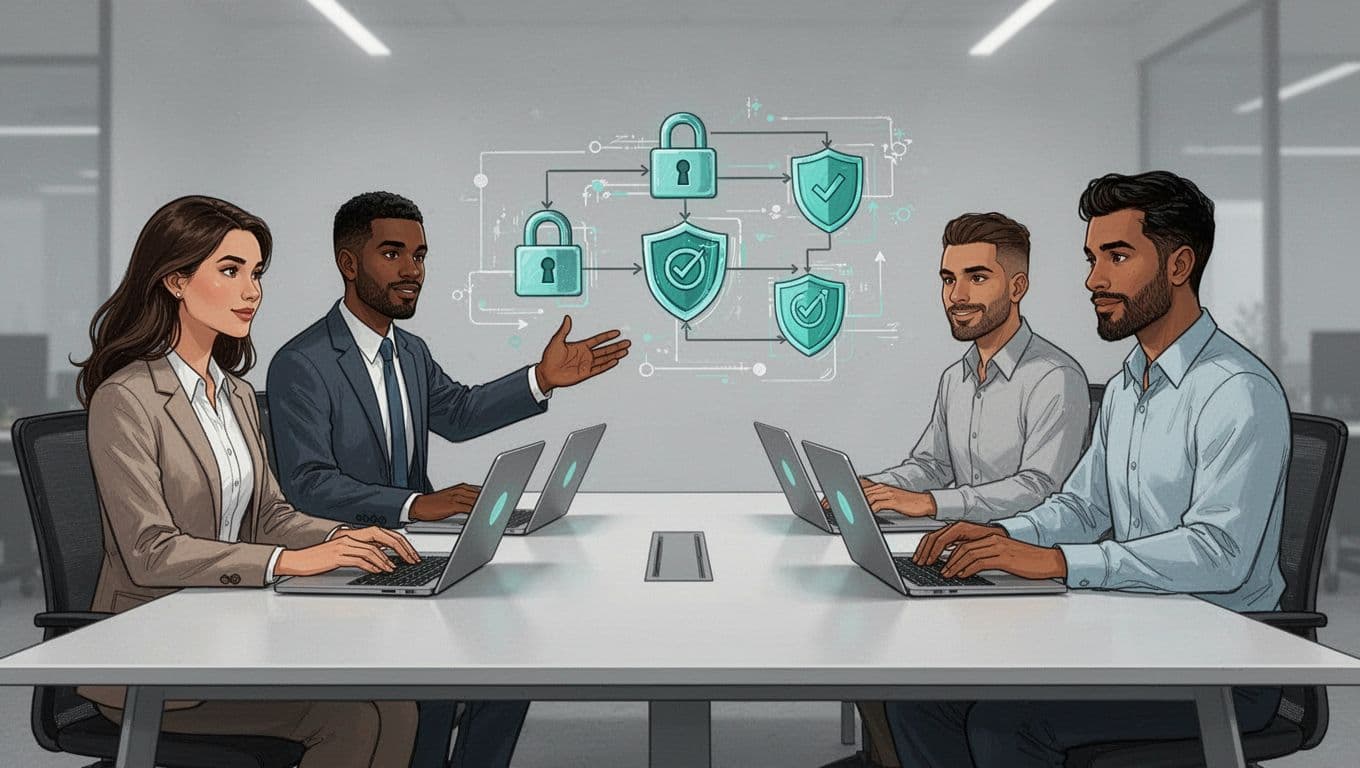
If a consultant cannot show how it handles an actual breach, the engagement is too thin.
The consultants worth shortlisting in 2026
Here is a practical way to compare the names buyers see first. These firms all bring something useful, but they solve different problems.
| Firm | Strongest at | Best fit | Watch-outs |
|---|---|---|---|
| Deloitte Cyber | Enterprise cyber strategy, governance, and privacy alignment | Large regulated organizations with complex programs | Can be costly and process-heavy |
| EY Data Protection and Privacy | Privacy operating models and risk-first advisory | Teams that need privacy, risk, and compliance together | Less nimble for smaller remediation work |
| KPMG Data Privacy | Governance, privacy, cyber risk, and IAM/PAM | Compliance-heavy organizations | Can feel formal for rapid turnarounds |
| Accenture Cybersecurity | Large-scale transformation and managed security | Global programs that need broad delivery | May be more than a mid-market team needs |
| IBM Cybersecurity Services | Detection, response, and security operations | Firms that need SOC support and response depth | More tech-led than policy-led |
| Booz Allen Hamilton | Government-grade cyber defense and threat intelligence | Public sector and defense-adjacent work | Less relevant for general commercial privacy programs |
Deloitte, EY, KPMG, Accenture, and IBM all have broad consulting benches. That helps when you need policy, controls, and execution under one roof. Yet breadth can also bring overhead.
McKinsey belongs on the conversation list when your issue is board alignment or cyber operating model design. It is less useful when you need hands-on privacy cleanup or deeper technical response.
How to match a consultant to your real need
The wrong firm is often the one with the best slide deck. The right one fits your industry, your internal team, and your response window.
If you need heavy compliance support, choose a firm with privacy lawyers and audit experience. If you need active defense, pick a partner with SOC, detection, and incident work. If you need both, ask for a mixed team and verify who will actually do the work.
Industry fit matters too. Healthcare teams need strong handling of sensitive records. Financial firms need tight control over access and third parties. SaaS companies need product privacy, cloud security, and vendor review support.
A good sales call should answer simple questions fast. Who will lead the engagement? Which certifications does the team hold? How will they work with legal, IT, and security together? What happens if a breach starts during the project?
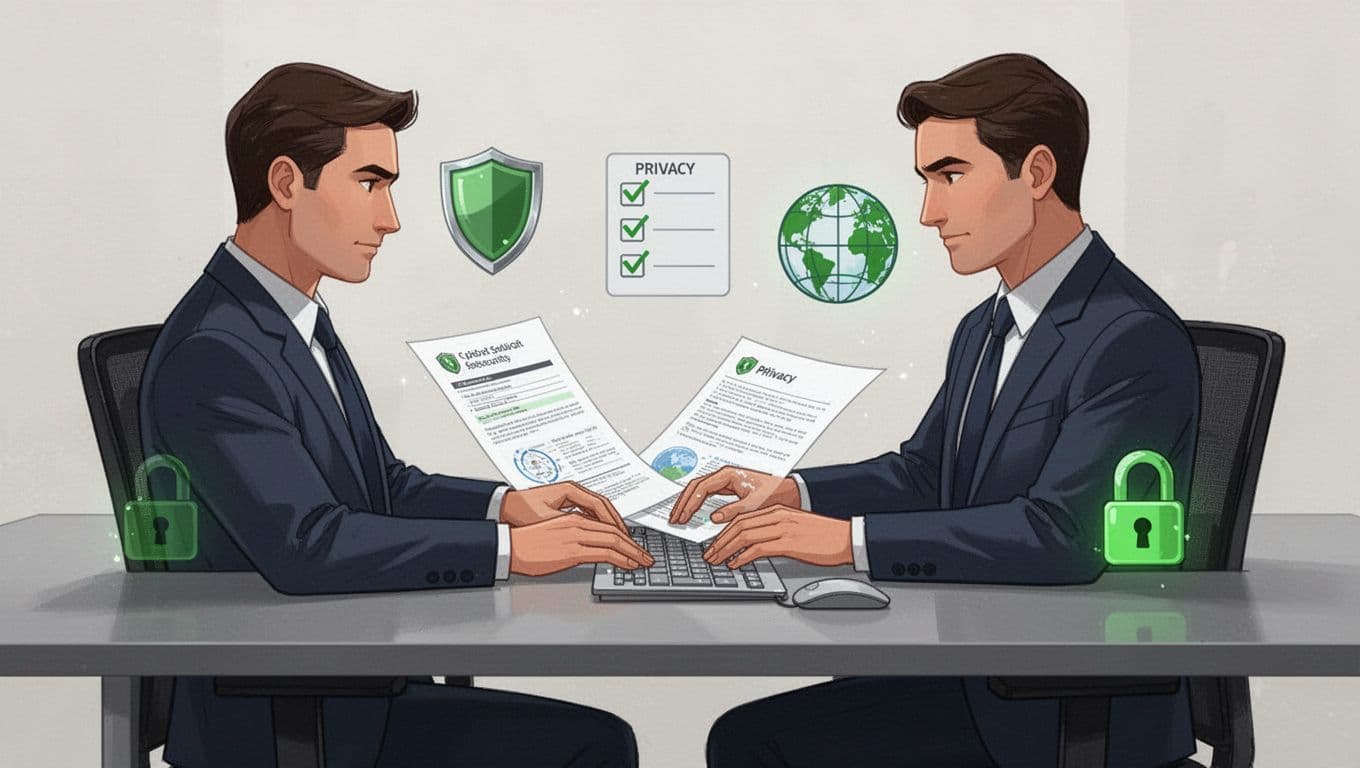
When your gap includes senior hiring as well as advisory work, a generalist shop may not be enough. Book a Discovery Call with Bud Consulting if you need help closing technical skills gaps while you strengthen privacy and security programs.
Red flags that should slow you down
A polished brand can hide weak delivery. Watch for vague answers about incident response, no clear sector references, and teams that promise senior experts but staff juniors after the sale.
Also be careful with firms that treat privacy as a legal checkbox. Real privacy work touches data maps, access control, retention, vendor risk, and response planning. If a consultant can’t talk through those links, keep looking.
The best fit is the one that can act
The best data privacy cybersecurity consultants do more than advise from a distance. They help you reduce risk, prove control, and respond well when pressure rises.
The biggest logo is not always the best choice. The strongest partner is the one that matches your laws, your threat profile, and your pace of change.