
table of contents
You handle sensitive data across borders every day. One wrong move with storage locations can trigger fines or audits. Data residency rules dictate where that data must sit, and they differ wildly by country.
Compliance officers need solid training to spot risks. Without it, teams in IT or procurement might pick cloud providers that break rules. This guide shows you how to build effective programs with real examples and tools.
Start with the basics, then move to scenarios and checklists. You’ll get steps that fit your organization’s needs.
Understand Core Data Residency Rules
Data residency compliance requires knowing where personal data can or must stay. Rules focus on location to protect privacy and national security. Countries set these based on their laws, so check specifics for your operations.
In the EU, GDPR does not force data to stay inside borders. Transfers need safeguards like Standard Contractual Clauses. The EU-US Data Privacy Framework helps US firms handle EU data legally as of 2026. Fines hit 4% of global revenue for violations.
China’s PIPL demands strict localization. Personal data on Chinese citizens stays in-country without approval. Global firms often build separate China-only systems.
India’s DPDP Act protects data but allows flexibility. No hard localization except for payments. Rules evolve fast, so monitor updates.
The US CLOUD Act lets authorities access data on US servers, even for non-US persons. This clashes with EU rules, so use approved frameworks.
Other spots vary. Australia updated its Privacy Act in 2024 for breach notices. Canada and Japan count as EU-adequate.
Here’s a quick view of key areas:
| Jurisdiction | Key Law | Localization Type |
|---|---|---|
| EU | GDPR | Flexible with safeguards |
| China | PIPL | Hard for personal data |
| India | DPDP | Soft, sector-specific |
| US | CLOUD Act | Access on US servers |
| UK | UK GDPR | Matches EU rules |
For a full data localization laws by country list updated for 2026, review this resource. Obligations shift by sector too, like finance or health. Always verify with regulators.
Compliance officers must map data flows first. Ask: Where do we store customer info? Does it cross borders? Training starts here to build awareness.
Key Data Residency Rules Across Jurisdictions
Rules change by place, so train on global variations. EU data can move with protections. China’s stays put. Russia’s mirrors that strictness.
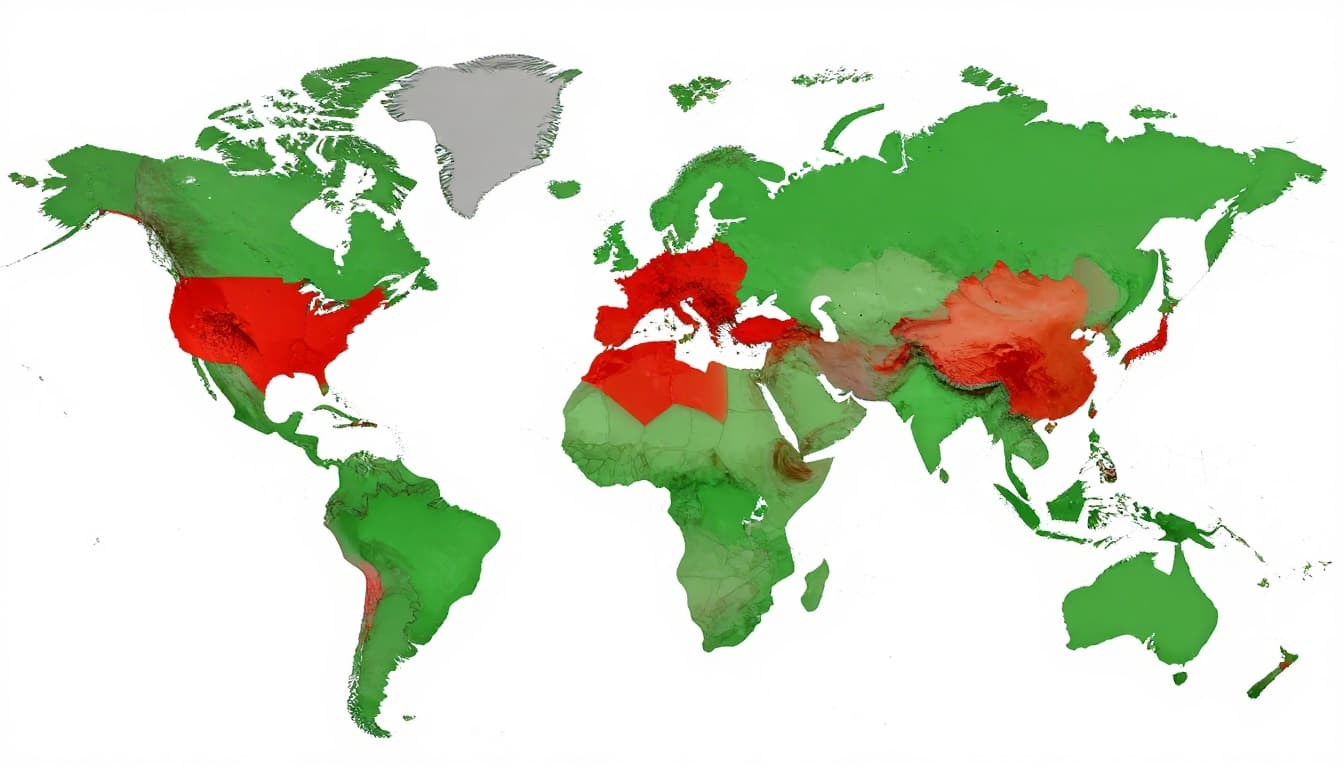
This map shows the spread. Red flags strict zones; green means more options.
In practice, a procurement team picks an AWS region. If EU customers use it, ensure SCCs cover transfers. For China, default to local servers.
April 2026 EDPB guidelines eased research data use under GDPR. Still need a legal basis.
India’s DPDP requires consent and rights like deletion. No blanket localization, but RBI rules hit payments hard.
Australia demands kid data protections. Malaysia’s PDPA tightened breaches in 2025.
Compliance officers coordinate with legal. They review vendor contracts for residency clauses. IT checks cloud configs.
Train on conflicts. US storage risks CLOUD Act pulls. Pair it with EU frameworks.
Sectors add layers. Healthcare follows HIPAA plus local rules. Finance faces PCI too.
Use examples in sessions. Show a flowchart: EU data to US server needs TIA, a Transfer Impact Assessment.
Resources help. See EDPB guidelines on research for details.
Tailor training to your mix of jurisdictions. Test knowledge with quizzes on these rules.
Build Effective Training Programs
Start programs with clear goals. Target compliance officers, IT, security, procurement, and legal. Make sessions interactive.
Focus on why it matters. Fines hurt, but so does lost trust. Use real cases, like fines under PIPL.
Structure sessions in modules. First, basics. Then, jurisdiction deep dives. End with hands-on.

Group workshops build skills. One person diagrams flows; others spot issues.
Delivery options: In-person for teams, online for remote. Keep to 90 minutes max.
Tips for engagement. Use polls: “Does PIPL allow EU transfers?” Discuss answers.
Incorporate tools like AWS residency docs or Azure compliance centers. Role-play vendor reviews.
For cross-team work, simulate scenarios. IT proposes a global cloud; compliance flags China data.
Measure with pre-post tests. Aim for 80% pass on key rules.
External courses add value. Check this data sovereignty training on cross-border compliance for advanced skills.
Annual refreshers keep info current. Rules shift, like Chile’s 2026 GDPR-like law.
Budget for experts. Internal leads save costs, but outsiders bring fresh views.
If gaps persist, book a discovery call with Bud Consulting for tailored security training advice.
Handle Real-World Scenarios
Teams face daily choices. Train officers to guide them.
Scenario one: Procurement eyes a SaaS tool in Singapore for EU users. Check PDPA and GDPR transfers. Add audit rights in contracts.
Security team encrypts data. Good, but residency still applies pre-encryption.
IT migrates to multi-region cloud. Map customer data first. EU to US? Use Privacy Framework.
Legal drafts BCRs for intra-group flows. Officers verify coverage.
Example: Firm stores Indian payment data in US. RBI demands localization. Move it or face penalties.
China ops? Separate tenant, local staff.
Use checklists in training. Before vendor sign-off:
- Confirm data types and origins.
- Review storage locations.
- Verify transfer mechanisms.
Role-plays help. Act out an audit: Regulator asks for flow maps. Officers pull docs fast.
Cross-team meetings monthly. Compliance leads, shares updates.
Breaches? Report per local timelines. GDPR 72 hours; others vary.
Build muscle memory. Repeat scenarios quarterly.
Checklists and Tools for Daily Compliance
Arm officers with quick aids. Checklists cut errors.

Visuals like these remind key steps.
Data mapping checklist:
- List data classes (personal, sensitive).
- Note sources and volumes.
- Track flows and stores.
Vendor review:
- Ask residency options.
- Demand SCCs or equivalents.
- Plan audits.
Ongoing audit:
- Quarterly cloud reviews.
- Employee spot-checks.
- Update maps yearly.
Tools simplify. Use Lucidchart for flows. OneTrust tracks compliance.
For quick refs, country compliance center covers many spots.
Integrate into workflows. Slack bots ping for reviews.
Officers carry these. They become go-to experts.
Conclusion
Data residency compliance boils down to knowing your data’s location and rules. Train teams on mappings, scenarios, and checklists to stay ahead.
Variations by country demand ongoing checks. Build programs that engage and test.
Strong training protects your firm. Start with one session this quarter.

